
So, you or your kid took a tumble at a trampoline park in Georgia and got hurt. It happens more often than you might think, and it’s definitely not a fun experience. These places are supposed to be for fun, but sometimes things go wrong, and you end up with a bill or worse. If you’re dealing with a trampoline park injury in Georgia, you’re probably wondering what comes next and if anyone is responsible for what happened. It can be pretty confusing, especially if you signed a waiver beforehand. Let’s break down what you need to know.
Table of Contents
ToggleKey Takeaways
- Trampoline parks in Georgia can lead to serious injuries like broken bones, concussions, and even spinal cord damage.
- Even if you sign a waiver, the trampoline park might still be held responsible if their negligence caused your injury.
- Liability can fall on the park owner, operators, or even the manufacturers of faulty equipment.
- Gathering evidence, like witness accounts and any available video footage, is important after an accident.
- Hiring an experienced attorney can help you understand your rights and pursue compensation for medical bills and other losses.
Understanding Trampoline Park Injuries in Georgia
Trampoline parks have popped up all over Georgia, offering a fun way to get some exercise and bounce around. Places like Sky Zone, XDrenaline, and Jumpstreet are popular spots. But here’s the thing: all that bouncing can lead to some serious injuries. It’s actually way more common to get hurt at a trampoline park than, say, on a roller coaster. We’re talking about injuries that can really change someone’s life.
Common Injuries Sustained at Trampoline Parks
When you think about trampoline injuries, you might picture a twisted ankle. But the reality can be much worse. People have suffered broken bones, dislocations, and even concussions. Some of the most severe injuries include spinal cord damage, paralysis, and sadly, in some cases, even death. It’s not just about falling off the trampoline; collisions between jumpers are a big problem, especially when multiple people are on the same trampoline. Even landing wrong or getting caught on the springs can cause significant harm.
The Dangers of Trampoline Parks
These parks are designed for fun, but they come with inherent risks. The combination of multiple people jumping, often without enough supervision, and the sheer height achieved can lead to unexpected and severe accidents. Even with safety signs and staff present, accidents happen. These can range from simple sprains and fractures to traumatic brain injuries and severe spinal damage. The equipment itself, if not properly maintained or installed, can also be a source of danger.
Statistics on Trampoline Accidents
While exact numbers can be hard to pin down, the trend is clear: trampoline parks are a frequent source of injuries. Reports suggest that the risk of injury is significantly higher compared to other amusement attractions. For instance, one organization noted that you’re about 200 to 300 times more likely to get hurt at a trampoline park than on a roller coaster. This highlights the need for caution and awareness when visiting these facilities.
It’s important to remember that even with waivers, trampoline parks still have a responsibility to maintain a safe environment. This includes proper supervision, adequate padding, and enforcing rules to prevent dangerous activities.
Determining Liability After a Georgia Trampoline Accident
When you or a loved one gets hurt at a trampoline park in Georgia, figuring out who’s responsible is the next big step. It’s not always as simple as it seems. Several parties could potentially be on the hook for the injuries sustained.
Who Can Be Held Liable for Your Injury?
Several different entities might be considered responsible if a trampoline accident leads to an injury. It really depends on the specifics of what happened. Generally, liability falls on those who had a duty of care to ensure the safety of the park’s patrons.
- The Trampoline Park Owner/Operator: This is often the most direct party. They are responsible for the overall safety of the facility.
- Manufacturers: If the trampoline itself or any related equipment was faulty from the start, the company that made it could be liable.
- Installers/Maintenance Companies: If the trampoline or safety equipment wasn’t put together correctly or wasn’t kept in good repair, the company that did the installation or maintenance might be at fault.
- Property Owners: In some cases, if the park is on someone else’s property, that owner might share some responsibility, though this is less common for commercial parks.
Trampoline Park Owner and Operator Responsibility
Trampoline park owners and operators have a significant duty to keep their customers safe. This means more than just having trampolines available. They need to actively manage the risks associated with jumping.
- Supervision: There should be enough trained staff present to watch over the jumpers and enforce rules. This includes preventing dangerous activities like roughhousing or too many people on one trampoline.
- Maintenance: All equipment, including the trampolines, padding, and surrounding structures, must be regularly inspected and maintained. Worn-out pads or broken springs are serious hazards.
- Safety Rules & Enforcement: Clear rules about safe jumping should be posted and consistently enforced. This might include limits on flips, rules about one person per trampoline, and age restrictions for certain areas.
- Warnings: Patrons should be adequately warned about the inherent risks of trampoline use.
Even if you sign a waiver before jumping, it doesn’t automatically absolve the park of all responsibility. Georgia law still requires businesses to operate with a reasonable level of care and not be negligent. If their failure to maintain safety leads to your injury, you may still have a claim.
Manufacturer and Installer Liability
Sometimes, the problem isn’t with how the park is run, but with the equipment itself. This is where manufacturer and installer liability comes into play.
- Defective Design: A trampoline might be designed in a way that makes it unreasonably dangerous, even when used as intended.
- Manufacturing Defects: Errors during the production process can lead to a faulty product. This could be anything from weak stitching to improperly attached springs.
- Failure to Warn: Manufacturers also have a duty to warn users about potential dangers associated with their product, especially if those dangers aren’t obvious.
- Improper Installation: If a trampoline or related structure was put together incorrectly by a third-party installer, and this faulty installation caused the injury, the installer could be held liable.
Navigating Legal Options After a Trampoline Park Injury
So, you’ve had a rough time at a trampoline park in Georgia and ended up hurt. It’s a bummer, and now you’re probably wondering what comes next, especially when it comes to getting things sorted out legally. It’s not always straightforward, but there are paths you can explore.
Can You Sue If You Signed a Waiver?
This is a big one. Most trampoline parks make you sign a waiver before you can even bounce. These forms usually say you won’t hold the park responsible if you get hurt. However, signing a waiver doesn’t automatically mean you can’t seek compensation. Georgia law has some limits on how much these waivers can protect a business, especially if their actions were really careless or reckless. If the park was grossly negligent, meaning they acted with a disregard for safety that went beyond simple carelessness, you might still have a case. The exact wording of the waiver and the specifics of your situation matter a lot here.
Understanding Premises Liability in Georgia
Trampoline parks, like other businesses open to the public, have a duty to keep their premises reasonably safe for visitors. This is known as premises liability. It means they need to fix hazards they know about or should know about, and warn people about dangers they can’t fix right away. If a slippery spot, faulty equipment, or lack of supervision led to your injury, the park might be liable. It’s about whether they did what a reasonable business owner would do to prevent accidents.
Pursuing Compensation for Medical Expenses and More
If you’re injured, the costs can pile up fast. We’re talking about:
- Doctor’s visits and hospital stays
- Physical therapy or rehabilitation
- Medications
- Lost wages if you can’t work
- Pain and suffering
It’s not just about the immediate bills; it’s also about how the injury might affect your life long-term. You might be able to get compensation for all of these things. It’s a good idea to talk to an attorney about your legal options to see what you might be entitled to.
Proving fault in these cases often involves looking closely at the park’s safety rules, how well they were followed, and whether the equipment was maintained properly. It’s not just about the accident happening, but about whether the park’s actions or inactions contributed to it.
| Type of Expense | Potential Compensation |
|---|---|
| Medical Bills | Yes |
| Lost Income | Yes |
| Future Medical Care | Yes |
| Pain and Suffering | Yes |
| Rehabilitation Costs | Yes |
Seeking Legal Counsel for Your Trampoline Injury Claim
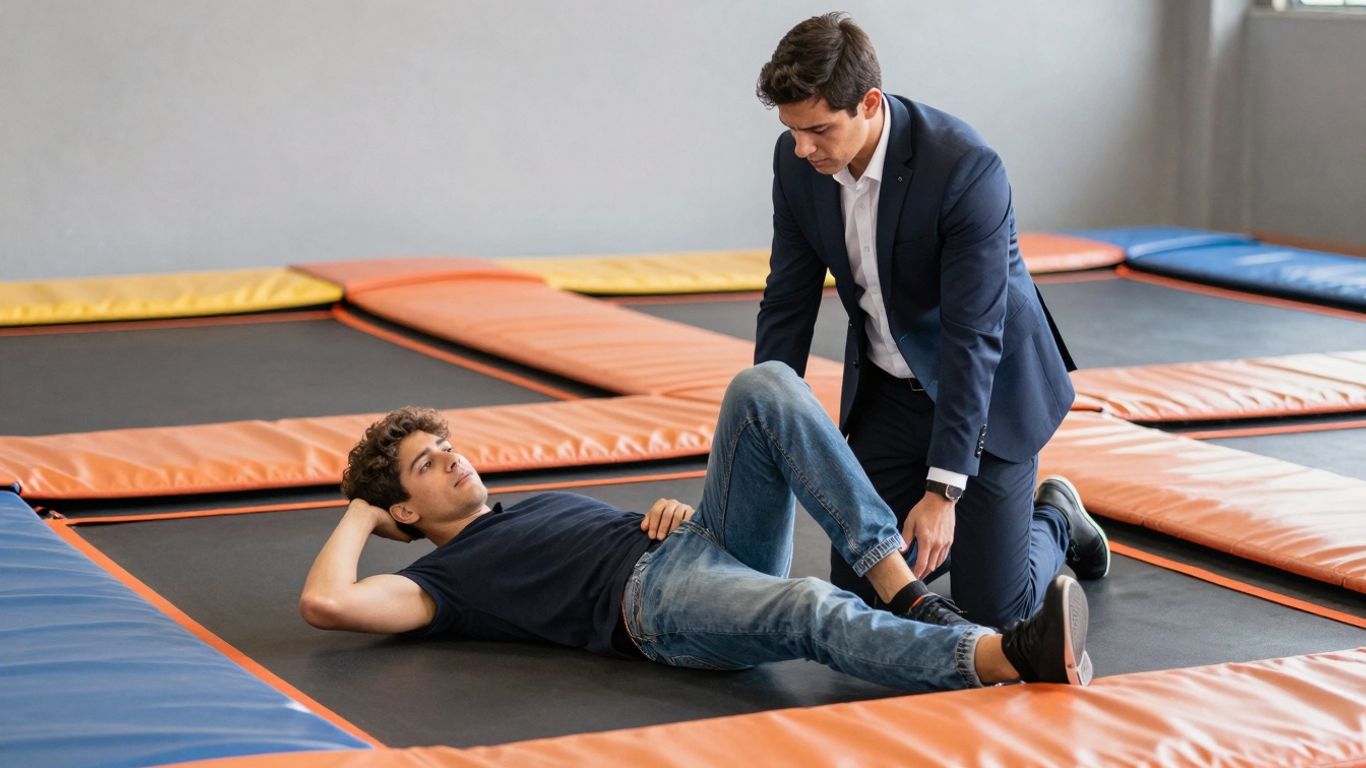
So, you’ve had an accident at a trampoline park in Georgia. It’s a rough situation, and figuring out what to do next can feel overwhelming, especially when you’re dealing with pain and medical bills. That’s where getting some legal help comes in. You don’t have to go through this alone.
Why You Need an Experienced Attorney
Trampoline park accidents can be tricky. There are often waivers involved, and figuring out who’s actually responsible for your injury isn’t always straightforward. An experienced attorney knows the ins and outs of Georgia personal injury law. They can look at the specifics of your case, like the park’s safety rules and how they were enforced, to see if negligence played a role. They understand how to deal with insurance companies, which can be a real headache.
Here’s what an attorney can do:
- Investigate thoroughly: They’ll dig into what happened, gather evidence, and talk to witnesses.
- Handle communication: They’ll deal with the trampoline park’s insurance adjusters, so you don’t have to.
- Calculate damages: They’ll figure out all the costs associated with your injury, from medical bills to lost wages and future care.
- Negotiate settlements: They’ll fight to get you a fair settlement.
- Represent you in court: If a settlement can’t be reached, they’ll be your advocate in court.
What an Attorney Will Do for Your Case
An attorney’s main job is to build a strong case for you. This means collecting all the necessary documents, like medical records and accident reports. They’ll also look at the park’s safety procedures and any equipment that might have been faulty. Sometimes, even if you signed a waiver, the park could still be held liable if they were negligent. For example, if there weren’t enough supervisors on duty or if the equipment wasn’t maintained properly, that could be a basis for a claim in Georgia.
Free Consultation for Trampoline Park Injury Claims
Most personal injury lawyers offer a free initial consultation. This is your chance to sit down with an attorney, explain what happened, and get their professional opinion on your case. There’s usually no obligation to hire them after this meeting. It’s a good way to get some answers and understand your options without any upfront cost. They can help you understand if you have a valid claim and what the potential outcomes might be. It’s a smart first step after an injury.
Investigating Your Trampoline Park Accident
After a trampoline park injury in Georgia, the next big step is figuring out exactly what happened. This isn’t just about knowing you got hurt; it’s about gathering the facts that will help you seek compensation. Think of it like being a detective for your own case. The sooner you start this investigation, the better, because memories fade and evidence can disappear.
Gathering Evidence at the Scene
If you’re able, try to collect as much information as you can right there at the park. This might feel overwhelming when you’re in pain, but even small details can matter later on.
- Take Photos and Videos: Use your phone to capture pictures of the area where the accident occurred. If there was a specific piece of equipment involved, like a damaged trampoline mat or a poorly padded wall, get close-ups. Also, try to get a wider shot of the general area.
- Note the Conditions: Was the floor wet? Were there too many people on a trampoline? Was the lighting poor? Jot down anything that seemed out of place or unsafe.
- Identify Staff: Make a note of any employees you interacted with or who were supervising the area. Their names or descriptions could be important.
Interviewing Witnesses and Reviewing Footage
Other people might have seen what happened, and the park likely has security cameras. These can be goldmines for evidence.
- Talk to Witnesses: If anyone saw your accident, ask if they’d be willing to share their contact information. A quick chat might reveal details you missed.
- Request Security Footage: The trampoline park should have cameras. You’ll want to formally request any footage that captured your incident. This often requires a lawyer’s involvement, but it’s a key piece of evidence.
Analyzing Safety Procedures and Equipment
This part involves looking at the park’s rules and how they were enforced, as well as the condition of the equipment.
- Review Park Rules: Did the park have clear rules about how to jump safely? Were these rules posted and enforced?
- Check Equipment Condition: Was the trampoline itself in good repair? Was there enough padding around the edges and on any surrounding structures?
- Staffing Levels: Was there adequate supervision? Sometimes, parks are understaffed, leading to unsafe conditions.
It’s important to remember that even if you signed a waiver, it doesn’t automatically mean the park is off the hook. Waivers have limits, especially if the park was grossly negligent or failed to maintain a reasonably safe environment. The investigation helps uncover whether such negligence occurred.
Were you hurt at a trampoline park? It’s important to figure out what happened and who’s responsible. We can help you understand your options and get the compensation you deserve. Don’t wait to seek help. Visit our website today to learn more about how we can assist you.
Moving Forward After a Trampoline Park Injury
Dealing with an injury from a trampoline park can be a real headache, not to mention the medical bills that pile up. Remember, even if you signed a waiver, the park still has a responsibility to keep things safe. If you’re unsure about your options or feel the park was negligent, it’s a good idea to talk to a lawyer. They can help you figure out if you have a case and guide you through the process of seeking compensation for your injuries and any related costs. Don’t go through it alone; getting the right advice can make a big difference in getting back on your feet.
Frequently Asked Questions
What are the most common injuries at trampoline parks?
People often get hurt in trampoline parks. Common injuries include broken bones, sprains, dislocations, and head injuries like concussions. Sometimes, more serious injuries like spinal cord damage can happen, especially if there’s a fall or a collision with another jumper.
Can I sue a trampoline park if I signed a waiver?
Even if you sign a waiver, you might still be able to sue. Waivers usually say you accept the risks, but they don’t always protect the park if they were really careless or didn’t follow safety rules. The law in Georgia looks closely at these waivers.
Who is responsible if I get hurt at a trampoline park?
The trampoline park owner or operator is usually responsible if their carelessness led to your injury. This could be due to not enough supervision, poorly maintained equipment, or not enforcing safety rules. Sometimes, the company that made or installed the trampoline could also be at fault.
What kind of compensation can I get for a trampoline park injury?
If you’re injured due to someone else’s fault, you can seek compensation. This can help cover medical bills, lost wages if you can’t work, and pain and suffering. The goal is to help you recover financially from the accident.
Why is it important to hire a lawyer after a trampoline park injury?
Trampoline park injury cases can be complicated. A lawyer knows the law and can investigate what happened, gather evidence, deal with insurance companies, and fight for the compensation you deserve. They help make sure your rights are protected.
What should I do right after a trampoline park injury?
First, get medical attention for your injuries. Then, try to gather as much information as you can, like taking photos of the area where you were hurt and getting contact details from anyone who saw what happened. It’s also a good idea to report the incident to the park management.