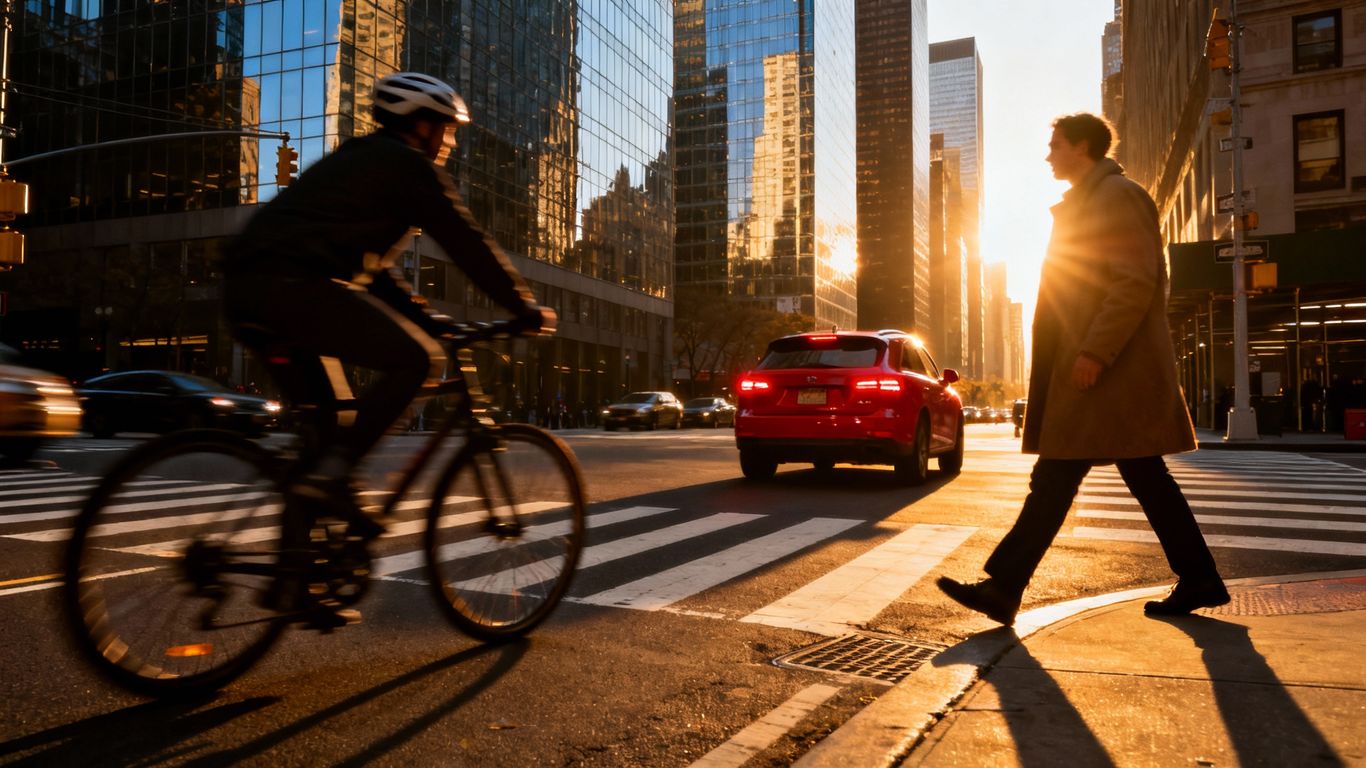
Atlanta is a busy city, and getting around often means sharing the road with cars, bikes, and people on foot. Whether you’re cycling to work or walking to the store, it’s important to know the rules. Accidents can happen, and when they do, understanding your rights and responsibilities is key. This guide will help break down the laws for pedestrians and cyclists in Atlanta, and what to do if you’re involved in a collision. If you find yourself in this situation, talking to a pedestrian accident lawyer in Atlanta can make a big difference.
Table of Contents
ToggleKey Takeaways
- In Atlanta, both pedestrians and bicycle riders have specific laws they must follow. Pedestrians generally have the right of way in crosswalks, but must obey traffic signals. Bicycle riders are considered vehicles and must follow traffic laws, ride with traffic, and yield to pedestrians.
- When accidents occur, determining who is at fault is crucial. This often involves looking at whether traffic laws were followed by all parties involved. Factors like distracted driving, failing to yield, or improper road use can all play a role in assigning blame.
- If you’re injured in an accident as a pedestrian or cyclist, you may be entitled to compensation for medical bills, lost wages, and pain and suffering. Consulting with a pedestrian accident lawyer in Atlanta can help you understand your options and pursue a claim.
Understanding Pedestrian and Bicycle Laws in Atlanta
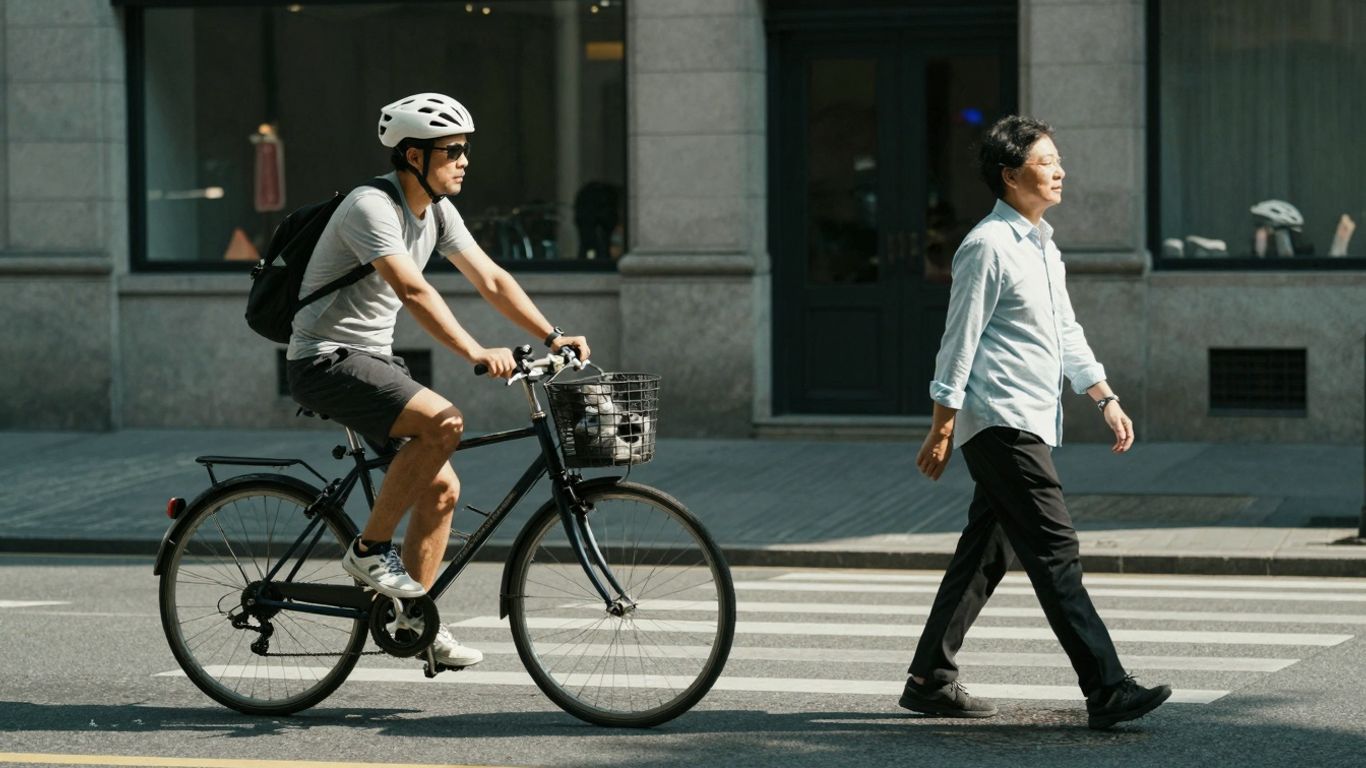
Atlanta’s streets can get pretty busy, and it’s not just cars zipping around. You’ve got folks on bikes and people walking everywhere, trying to get from point A to point B. Because of this, there are some rules in place to keep everyone safe. It’s important for both pedestrians and cyclists to know these rules, not just to avoid trouble, but also to know their rights if something goes wrong.
Pedestrian Rights and Responsibilities
When you’re walking in Atlanta, you generally have the right of way, especially at crosswalks, whether they’re marked or not. Drivers are supposed to stop and let you cross. However, this doesn’t mean you can just wander into traffic without looking. Pedestrians still need to pay attention to traffic signals and signs. If there’s no signal, you need to yield to cars. It’s also a no-go to walk in the road if there’s a sidewalk available, unless that sidewalk is blocked or unsafe. And definitely don’t walk along the road if you’ve been drinking or are under the influence of drugs – that’s just asking for trouble.
- Always look both ways before crossing, even at a crosswalk.
- Obey traffic signals and signs meant for pedestrians.
- If there’s a sidewalk, use it. Don’t walk in the street unless absolutely necessary.
- Avoid walking on roads when impaired by alcohol or drugs.
Pedestrians are often the most vulnerable road users. While drivers have a duty to watch out for people on foot, pedestrians also have a responsibility to be aware of their surroundings and follow traffic rules to prevent accidents.
Bicycle Rider Laws and Obligations
In Georgia, bicycles are treated like vehicles. This means cyclists have the same rights to the road as cars, but they also have to follow the same traffic laws. So, you’ll see cyclists riding on the right side of the road, going in the same direction as traffic. They need to signal when they’re turning or stopping, and they absolutely have to stop at red lights and stop signs. While there are often bike lanes, cyclists aren’t always required to use them unless a local rule says so. For riders over 12, riding on the sidewalk is usually not allowed, though there can be exceptions. It’s all about sharing the road safely and predictably.
- Ride on the right side of the road, with traffic.
- Use hand signals for turns and stops.
- Obey all traffic signals, stop signs, and lane markings.
- Yield to pedestrians when necessary.
Motorists are required to yield to cyclists in designated bicycle lanes. This is a key part of ensuring that cyclists have a safe space to travel without being forced into traffic. Knowing these rules helps everyone get along better on the road.
Navigating Accidents and Seeking Compensation
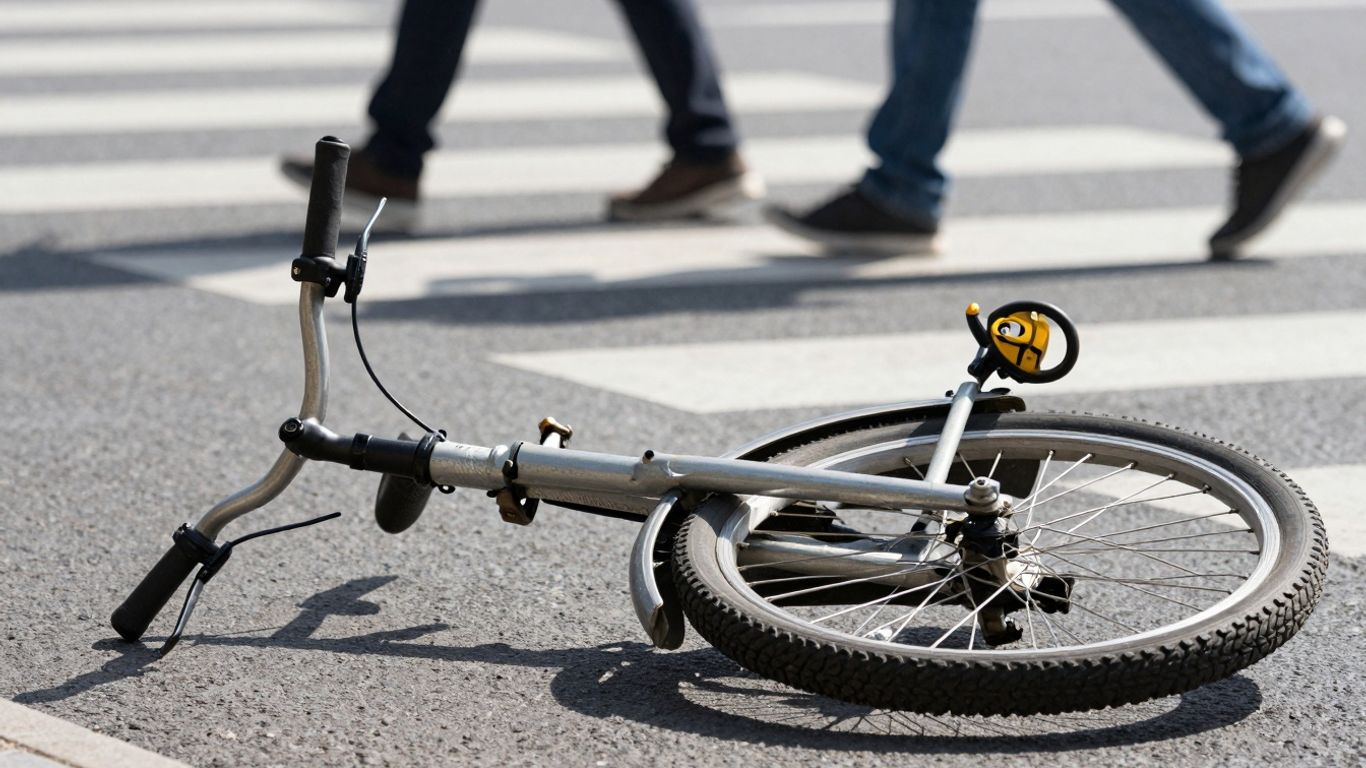
When a bicycle or pedestrian accident happens in Atlanta, things can get complicated fast. It’s not just about the immediate injuries; it’s about figuring out what happened, who’s responsible, and how to get the money you need to recover.
Determining Fault in Collisions
Figuring out who caused the crash is the first big hurdle. In Georgia, like most places, the law looks at who was careless. This means we need to see if a driver broke a traffic law, like speeding or not yielding, or if a pedestrian or cyclist didn’t follow the rules. Sometimes, it’s not just one person’s fault; both sides might share some blame. This is called comparative negligence. If you’re found to be 50% or more at fault, you might not get any compensation. That’s why it’s super important to get all the facts straight.
Here’s a quick look at common factors that help determine fault:
- Driver Actions: Running red lights, distracted driving (texting, etc.), speeding, failing to yield, improper turns.
- Pedestrian/Cyclist Actions: Jaywalking, not using crosswalks, ignoring traffic signals, riding against traffic.
- Environmental Factors: Poor lighting, road conditions, weather.
- Evidence: Police reports, witness accounts, photos or videos of the scene, skid marks.
It’s easy to think you’re automatically to blame if you were hit as a pedestrian or cyclist, but that’s often not the case. Drivers have a duty to watch out for people on foot or bikes, even if they have the right of way.
Damages Available After an Accident
If you’ve been hurt, you’re probably wondering what kind of compensation you can get. The goal is to make you whole again, as much as money can. This covers a lot of ground, from immediate medical bills to long-term impacts on your life.
Here are the main types of damages you might be able to claim:
- Medical Expenses: This includes everything from ambulance rides and hospital stays to surgeries, medications, physical therapy, and any future medical care you’ll need because of the accident.
- Lost Income: If your injuries keep you from working, you can get paid for the wages you’ve lost. This also includes potential future earnings if your injuries prevent you from returning to your old job or earning at the same level.
- Pain and Suffering: This covers the physical discomfort and emotional distress caused by the accident and your injuries. It’s not always easy to put a number on this, but it’s a real part of what you go through.
- Property Damage: If your bike was wrecked or you had other personal belongings damaged, you can get money to fix or replace them.
- Mental Anguish: Serious accidents can lead to anxiety, depression, or PTSD. Compensation can be sought for these psychological impacts.
The amount of money available often depends on the at-fault party’s insurance policy limits. It’s also important to know that in Georgia, you generally have two years from the date of the accident to file a lawsuit. Don’t wait too long to seek legal advice.
Dealing with accidents can be tough, and figuring out how to get the money you deserve can feel overwhelming. We’re here to help you understand your options and fight for what’s fair. Don’t go through this alone. Visit our website today to learn more about how we can assist you.
Wrapping It Up
So, whether you’re cruising on a bike, zipping on a scooter, or just walking around Atlanta, remember that everyone shares the road. Knowing the rules for cyclists, pedestrians, and scooter riders is super important. Accidents happen, and when they do, understanding who’s at fault and what your rights are can make a big difference. If you’ve been in an accident, especially if you were following the rules, talking to a lawyer who knows these specific laws can help you figure out the next steps and get the compensation you might deserve. Stay safe out there!
Frequently Asked Questions
Who has the right of way: a pedestrian or a cyclist?
Generally, pedestrians have the right of way. Cyclists need to be aware of pedestrians and yield to them, especially in shared areas or crosswalks. While cyclists have the right to use the road, they must follow traffic rules and ensure they don’t endanger walkers.
What should I do if I'm hit by a car while riding my bike or walking?
If you’re injured, get medical help right away. Then, try to gather as much information as possible about the accident, like the driver’s details and any witnesses. It’s a good idea to talk to a lawyer who specializes in accident cases. They can help you understand your rights and figure out who was at fault.
Can a cyclist be blamed if they hit a pedestrian?
Yes, a cyclist can be blamed if they hit a pedestrian, especially if the cyclist wasn’t following traffic laws or was riding carelessly. For example, if a cyclist was texting and ran into a pedestrian, or rode on the sidewalk when they weren’t supposed to, they could be held responsible.