
Car Accident Lawyer
Joggers Hit by Cars: Atlanta Pedestrian Liability Explained
· By Vishay Singh
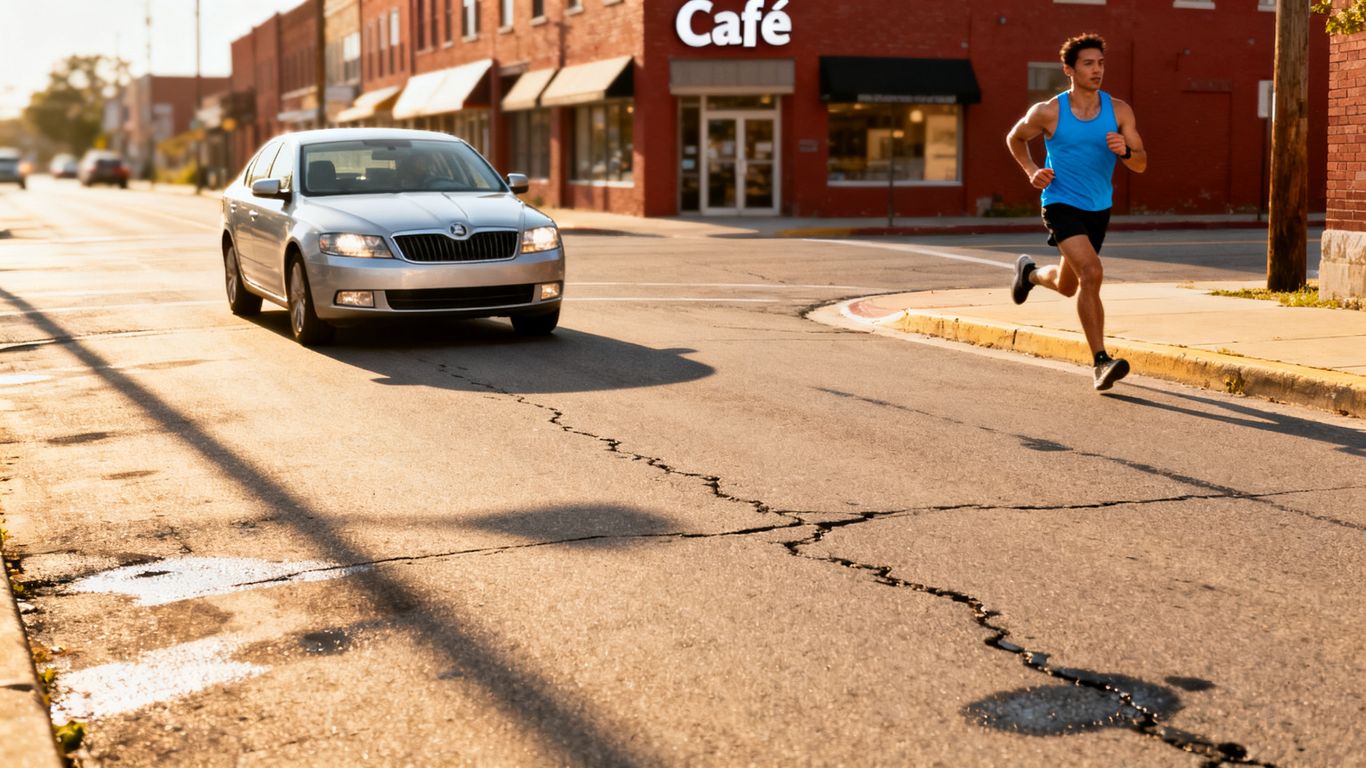
Getting hit by a car while walking in Atlanta is a scary thought. It happens more often than you’d think, and the results can be really bad. People walking don’t have the protection of a car, so even a slow-moving vehicle can cause serious harm. This article breaks down who’s responsible when these accidents happen and what you need to know if you’re trying to figure out a pedestrian accident claim in Atlanta.
Table of Contents
Key Takeaways
- In Atlanta, drivers are generally considered at fault if they hit a pedestrian, but pedestrians can also be held responsible if their actions contributed to the crash.
- Georgia’s laws allow you to get compensation even if you were partly at fault, as long as your fault is less than 50% of the cause of the accident.
- Atlanta’s road design and common driver distractions like phone use make it a dangerous city for people on foot, increasing the risk of pedestrian accidents.
Understanding Pedestrian Liability in Atlanta
When a jogger or any pedestrian gets hit by a car, figuring out who’s at fault can get complicated. It’s not always as simple as the driver being 100% to blame. Georgia law has specific rules about this, and sometimes, the pedestrian might share some responsibility. This section breaks down how liability is determined in Atlanta pedestrian accidents.
When Drivers Are Presumed Liable for Pedestrian Accidents
Generally, drivers have a big responsibility to watch out for people on foot. Drivers are often presumed liable when they hit a pedestrian, especially if the pedestrian was in a crosswalk or obeying traffic signals. This presumption comes from the idea that drivers operate heavy machinery and need to be extra careful. Think about it: a car can do a lot more damage than a person walking. Georgia law requires drivers to yield to pedestrians in marked crosswalks and at intersections. Failing to do so, or driving in a way that makes it impossible to stop for someone crossing, can lead to the driver being held responsible. This is especially true if the driver was speeding, distracted, or impaired.
- Failure to Yield: Drivers must stop for pedestrians in crosswalks. This is a common reason drivers are found liable.
- Distracted Driving: Texting, fiddling with the radio, or anything that takes a driver’s attention away from the road can lead to accidents. Even a few seconds of distraction can be enough to hit someone.
- Speeding: Driving over the speed limit, or too fast for conditions, reduces a driver’s ability to react and stop in time.
- Impaired Driving: Driving under the influence of alcohol or drugs severely impairs judgment and reaction time.
Situations Where Pedestrian Fault May Be Considered
Even with the driver’s responsibility, there are times when a pedestrian’s actions might contribute to an accident. This doesn’t automatically mean the driver is off the hook, but it can affect how fault is assigned. Georgia uses a system called modified comparative negligence. This means if a pedestrian is found to be partially at fault, their ability to recover damages could be reduced or even eliminated.
Here are some scenarios where a pedestrian’s actions might be scrutinized:
- Jaywalking: Crossing the street outside of a marked crosswalk or intersection, especially where it’s not safe to do so.
- Ignoring Signals: Walking against a
Navigating a Pedestrian Accident Claim in Atlanta
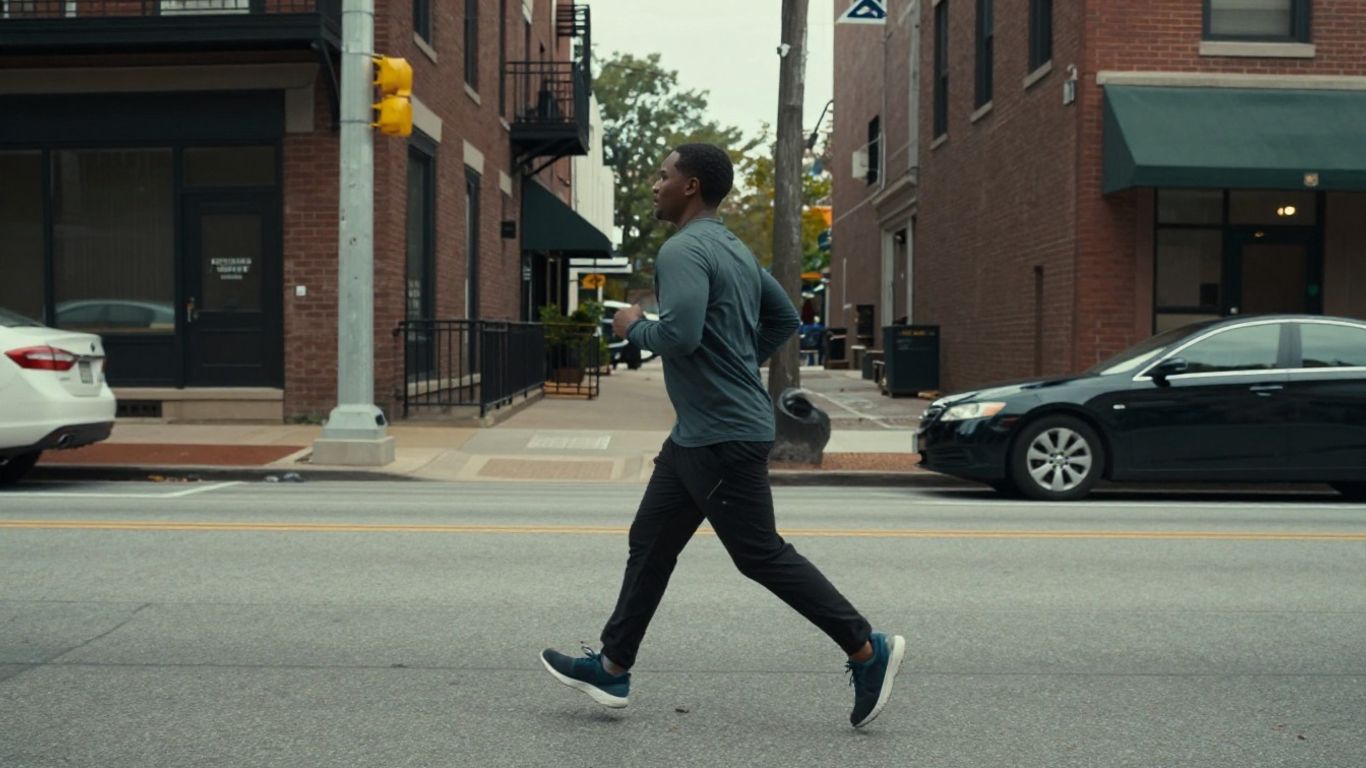
Getting hit by a car in Atlanta is overwhelming, and figuring out the claims process can feel like a whole new headache. Still, you have options, but it’s not always clear which steps to take or who is responsible for paying what.
Georgia's Modified Comparative Negligence Law
One thing to keep in mind: Georgia uses a modified comparative negligence rule for pedestrian accidents. That means if you’re partly at fault—maybe you crossed against a signal, or weren’t in a crosswalk—you can still recover compensation. But there’s a catch. You’ll only get paid if you’re less than 50% at fault, and your payout is reduced by your share of blame.
Here’s a simple breakdown:
| Your Fault (%) | Can You Recover Damages? | How It’s Reduced |
|---|---|---|
| 0% | Yes | Full amount |
| 20% | Yes | 20% less |
| 49% | Yes | 49% less |
| 50% or more | No | None |
It’s not uncommon for insurance adjusters to blame the pedestrian for being distracted or not in a marked crosswalk. Sometimes it’s true. More often, it’s just an excuse to pay out less.
If you’re hit by a car, documenting the scene and gathering witness information could make a real difference in your case, as this evidence can help show who was really at fault.
Proving Driver Negligence in Pedestrian Cases
You’ll need to show that the driver was careless or broke traffic laws. Here are common ways to prove negligence:
- Get witness statements, photos, or surveillance videos from the accident scene. (Having bystanders back up your story is always useful!)
- Show the driver violated a law—ran a red light, didn’t yield, or was texting. Georgia has strict hands-free phone rules, but enforcement isn’t perfect.
- Ask your doctor for detailed records of your injuries and how they happened. The timing can help link the crash to your injuries.
- Find out if the driver was distracted, speeding, or under the influence.
- Consider all insurance options: the driver’s policy, plus your own uninsured/underinsured motorist coverage and even MedPay coverage on your auto policy.
Insurance companies aren’t friendly after pedestrian crashes. They might act nice, but their goal is to pay out as little as possible. Sometimes, a fair offer only comes once the insurer sees you’ve got proof and are truly prepared to go to trial if necessary. People have found their accident claims often settle better once the insurance company knows you’re serious.
- Make sure to follow up on all your medical appointments and keep detailed records
- Don’t give a recorded statement to insurance without talking to an attorney first
- Save any evidence: clothing, photos, or screenshots from fitness apps if you were out jogging
Working through a pedestrian injury claim is stressful and time-consuming. But with the right approach and good documentation, you set yourself up for the best possible outcome.
Common Causes and Dangers for Pedestrians in Atlanta
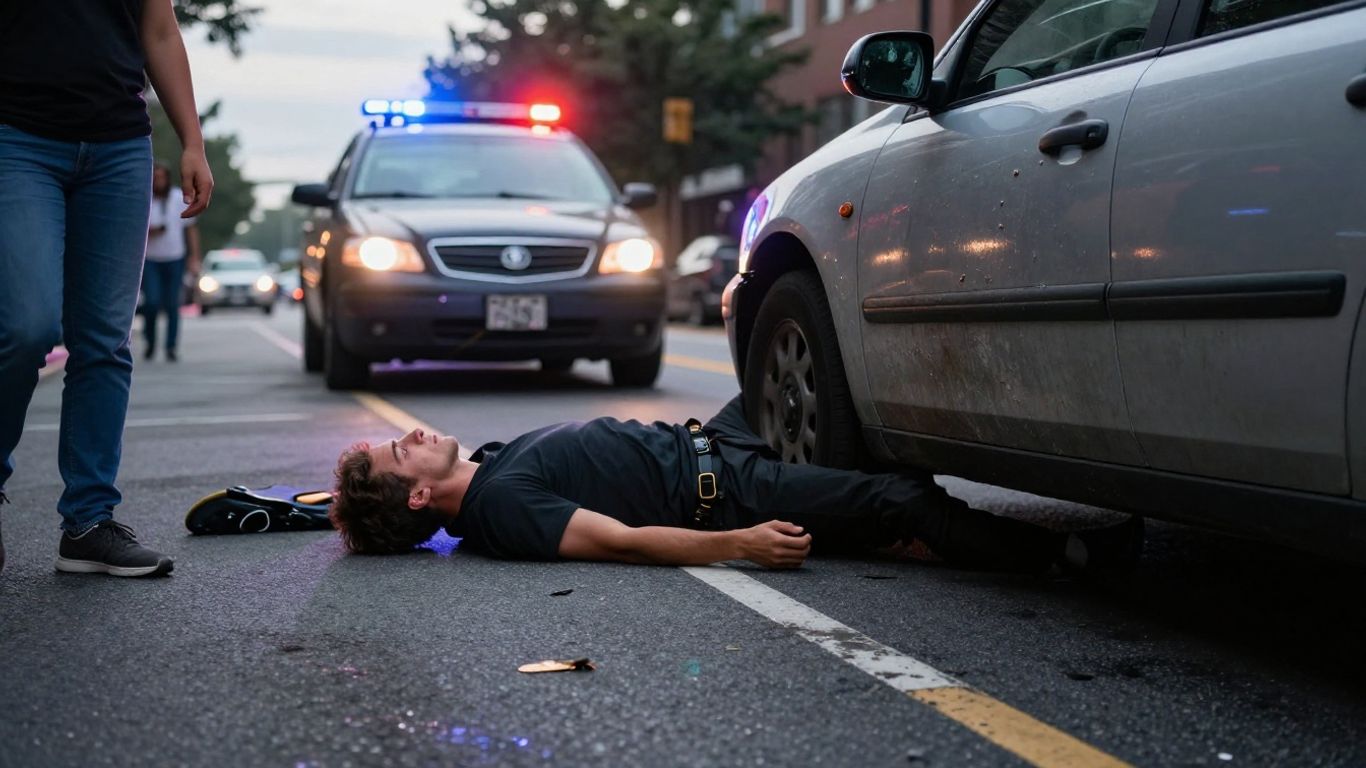
Walking around Atlanta can sometimes feel like a gamble, and unfortunately, it’s a gamble many pedestrians lose. The city’s design, built more for cars than people on foot, creates a lot of risky situations. It’s not just about drivers being careless, though that’s a huge part of it. The very roads we walk on can be dangerous.
Atlanta's Dangerous Road Design and Infrastructure
Let’s be real, Atlanta wasn’t exactly built with walkers in mind. Many neighborhoods lack sidewalks altogether, forcing people to hug the edge of busy roads or even walk in the traffic lanes. It’s a problem especially bad in south and west Atlanta, and out in the suburbs. Then there are the roads themselves – wide, with multiple lanes, and designed for speed. Think about Buford Highway or Memorial Drive; these are major routes with lots of people walking, but the crossings are few and far between. You might have to walk a quarter-mile or more just to find a marked crosswalk, which naturally leads people to cross wherever it seems easiest, and that’s usually the most dangerous spot.
- Missing sidewalks: This is a big one. If there’s no sidewalk, you’re stuck walking near or in traffic.
- Long distances between crosswalks: This forces unsafe mid-block crossings.
- Poor street lighting: Especially at night, it’s hard for drivers to see pedestrians.
- Short signal timing: Pedestrian crossing signals often don’t give enough time for everyone to get across safely, particularly older adults or those with mobility issues.
When the city or county doesn’t maintain roads properly or fails to put in basic safety features like sidewalks and adequate lighting, they can be held responsible. However, there are strict deadlines for filing claims against government entities, so acting fast is key.
Driver Distractions and Impairment Risks
Beyond the road layout, driver behavior is a massive factor. Distracted driving is rampant. People are on their phones, fiddling with the radio, or just not paying attention to the road ahead. This is especially dangerous when drivers are passing through areas where people are likely to be walking, like commercial districts or residential streets. Impaired driving, whether by alcohol or drugs, also plays a significant role. When a driver is not fully alert, their reaction time is slower, and their ability to spot a pedestrian is severely reduced. This combination of risky road design and driver carelessness makes Atlanta a tough place for pedestrians. Georgia consistently ranks high for pedestrian deaths, with over 280 fatalities reported in a recent year, showing just how serious this issue is across the state.
Here’s a quick look at some common issues:
- Texting or talking on a cell phone: This takes a driver’s eyes and mind off the road.
- Driving under the influence: Alcohol or drugs impair judgment and reaction time.
- Speeding: Higher speeds mean less time to react and more severe impact if a collision occurs.
- Failing to yield: Drivers not giving pedestrians the right-of-way, especially in crosswalks.
Walking in Atlanta can be risky. Many common dangers put pedestrians in harm’s way, from distracted drivers to poorly lit streets. Understanding these risks is the first step to staying safe. If you or a loved one has been injured due to someone else’s carelessness, don’t wait to seek help. Visit our website to learn more about your rights and how we can assist you.
Wrapping Up: What to Remember
So, when a jogger gets hit by a car in Atlanta, it’s rarely a simple story. While drivers have a big responsibility to watch out for people on foot, it’s not always black and white. Even if you weren’t in a crosswalk, you might still get some compensation if the driver was also careless. Georgia’s laws try to be fair about this, but insurance companies? They’ll try to pin as much blame on the pedestrian as they can. That’s why knowing your rights and getting good legal help is so important. Don’t just assume you’re out of luck if you weren’t perfectly following every rule. There’s a lot to consider, and having someone in your corner who understands these tricky situations can make all the difference.
Frequently Asked Questions
What if I was crossing the street not in a crosswalk when I got hit?
Even if you weren’t in a crosswalk, you might still be able to get money for your injuries. Georgia has a law that says if you’re partly at fault, but less than 50% responsible, you can still receive compensation. The amount you get will be less based on how much your fault contributed. Importantly, drivers are always supposed to be careful and try to avoid hitting people, even if they’re not in a crosswalk. If the driver was speeding, texting, or not paying attention, they will likely be considered a big part of the reason for the accident.
Can a pedestrian ever be blamed for a car accident?
Yes, sometimes a pedestrian can be considered at fault. For example, if someone suddenly runs into the street without looking, or jumps out of a car, and a driver hits them, the pedestrian might be responsible. Also, if a person is walking in a dangerous place like lying down in the middle of a busy road, and they get hit, they could be found at fault. It really depends on the specific situation and who broke traffic rules or acted carelessly.
What should I do right after a pedestrian accident?
First, stay at the scene of the accident. Don’t leave. Call 911 immediately to report the crash and get medical help if you need it. If you can, take pictures of the area and any injuries. Try to get the other driver’s name, contact information, and their car’s license plate number. Also, get the names and phone numbers of anyone who saw what happened. It’s important not to say anything that sounds like you’re admitting fault, and don’t give a recorded statement to the other driver’s insurance company. Contacting a lawyer who handles pedestrian accidents as soon as possible is a really good idea.
Related Articles

July 31, 2026
Slip & Fall on Ice: Marietta Winter Liability

Free Case Evaluation
Tell us what happened. We will tell you where you stand.
Every consultation is confidential and free of charge. There is no fee unless we recover for you.