
If you’ve slipped and fallen in Savannah, you might be wondering what it actually takes to prove someone else was at fault. The process isn’t always as straightforward as it sounds. Property owners have certain responsibilities, but just because you got hurt doesn’t mean you automatically win your case. Proving negligence in a slip and fall in Savannah comes down to showing what the property owner did—or didn’t do—and how that led to your injury. Let’s break down what you need to know if you’re thinking about making a claim.
Table of Contents
ToggleKey Takeaways
- Property owners in Savannah have to keep their spaces safe, but you need to show they knew or should have known about the hazard that caused your fall.
- You’ll need to prove four things: the owner owed you a duty of care, they didn’t meet that duty, their actions led to your injury, and you suffered real damages.
- Collecting evidence like photos, witness statements, and medical records is key to proving negligence in a slip and fall case in Savannah.
Establishing Liability in Savannah Slip and Fall Cases
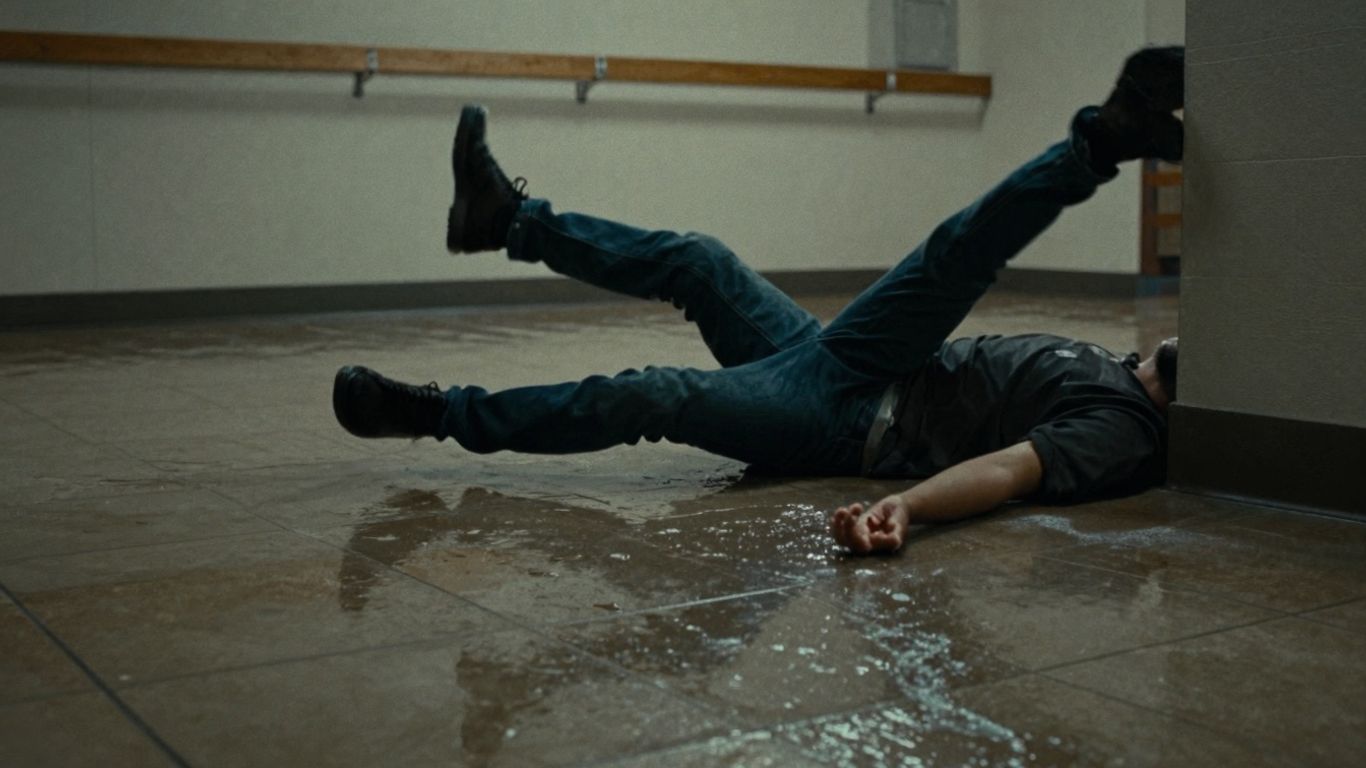
When you’ve been hurt in a slip and fall incident here in Savannah, figuring out who’s responsible is the first big hurdle. It’s not always as straightforward as it seems. Basically, you need to show that the property owner or manager messed up in some way that led to your injury. This involves looking at their duty to keep the place safe and whether they actually met that obligation.
Understanding Property Owner's Duty of Care
Property owners in Georgia have a legal responsibility, often called a duty of care, to make sure their premises are reasonably safe for visitors. What exactly this means can change depending on why you were on the property. For example, if you were a customer in a store, you’re considered an ‘invitee,’ and the owner owes you a higher level of care. They need to actively look for dangers and fix them. If you were just visiting a friend, the duty might be a bit less, mainly to warn you about dangers they know about. It’s all about what’s reasonable under the circumstances. The core idea is that property owners shouldn’t let dangerous conditions linger if they know or should know about them.
Identifying the Hazard and Proving Notice
To win a slip and fall case, you have to pinpoint the exact hazard that caused your fall. Was it a wet floor with no warning sign? A broken step? Poor lighting? Once you know the hazard, you then need to prove that the property owner had what’s called ‘notice’ of it. This means showing they knew about the danger, or that it had been there so long that they should have known about it. Think about it: if a spill just happened two minutes before you fell, the owner probably didn’t have a chance to clean it up. But if it’s been there for hours, that’s a different story. Evidence like inspection logs, witness statements, or even surveillance footage can help establish this notice. Proving notice is key to showing the owner was negligent and could have prevented your injury. If you’re unsure about how to prove these points, seeking guidance from a Savannah slip and fall attorney can make a big difference in building your case.
Proving Negligence in Savannah Slip and Fall Incidents

So, you’ve had a slip and fall in Savannah, and you think it wasn’t just bad luck. Maybe the floor was slick with spilled soda, or perhaps a cracked sidewalk sent you tumbling. To actually get anywhere with a claim, you can’t just say someone was careless; you’ve got to prove it. This is where the legal concept of negligence comes in. It’s basically about showing that the property owner or manager messed up in a way that directly led to your injury.
The Four Essential Elements of Negligence
To build a solid case, you generally need to show four things happened. Think of them as the building blocks of your claim:
- Duty of Care: This means the property owner had a responsibility to keep their premises safe for people like you who were there legally. For example, store owners owe a duty of care to their customers.
- Breach of Duty: You need to show they failed in that responsibility. Maybe they knew about a spill but didn’t clean it up, or they didn’t fix a broken step for a long time.
- Causation: This is the link between their failure and your injury. You have to prove that their breach of duty caused you to fall and get hurt. If you tripped over your own feet, that’s different.
- Damages: You must have suffered actual harm, like medical bills, lost wages, or pain and suffering, because of the fall.
Proving causation can sometimes be tricky. It’s not enough that the dangerous condition existed; you have to show that this specific condition is what made you fall and get injured.
Gathering Evidence to Support Your Claim
Okay, so you know what you need to prove. Now, how do you actually do it? Evidence is your best friend here. The more you have, the stronger your position.
Here’s a look at what kind of evidence can really help:
- Photographs and Videos: Snap pictures of the hazard that caused your fall right away, if you can. Also, get shots of the surrounding area. If there are security cameras, ask if they recorded the incident.
- Witness Information: Did anyone see you fall or see the dangerous condition before you fell? Get their names and contact details. Their testimony can be really important.
- Incident Reports: If you fell at a business, they might have an internal report form. Fill it out truthfully, but be careful not to admit fault.
- Medical Records: Keep all records related to your injuries. This includes doctor’s visits, hospital stays, therapy, and any prescriptions. These documents show the extent of your damages.
- Maintenance and Inspection Logs: Businesses often keep records of how often they clean floors or inspect their property. If these logs show they weren’t doing regular checks, it can help prove they were negligent.
| Type of Evidence | What it Proves |
|---|---|
| Photos of Hazard | Existence and nature of the dangerous condition |
| Witness Statements | What happened, who was at fault |
| Medical Bills | Extent of your injuries and costs |
| Inspection Logs | Property owner’s diligence (or lack thereof) |
| Surveillance Footage | Direct evidence of the fall and conditions |
Collecting this evidence isn’t always easy, especially when you’re dealing with injuries. That’s often why people turn to a lawyer. They know what to look for and how to get it, even if the property owner isn’t cooperating.
If you’ve been hurt in a slip and fall accident in Savannah, understanding how to prove negligence is key to getting the compensation you deserve. It’s not always straightforward, but showing that the property owner didn’t take reasonable care to keep their premises safe is the main goal. This means proving they knew, or should have known, about a dangerous condition and didn’t fix it or warn people about it. We can help you navigate these tricky steps. Visit our website to learn more about how we can help you with your slip and fall case.
Wrapping Things Up
So, if you’ve had a slip and fall in Savannah, remember it’s not just about the fall itself. It’s about figuring out if someone else’s carelessness led to your injury. Proving negligence means showing they had a responsibility to keep things safe, they didn’t, and that’s why you got hurt. It can get complicated, and the clock is always ticking on filing a claim. That’s why talking to a local attorney who knows the ins and outs of these cases is a really good idea. They can help you sort through the details and see if you have a path forward to get the compensation you might deserve.
Frequently Asked Questions
What do I need to show to prove someone was careless in a slip and fall case?
To win a slip and fall case, you generally need to prove four things. First, that the property owner had a duty to keep you safe. Second, that they failed in that duty (like not fixing a spill). Third, that this failure directly caused your fall and injury. And fourth, that you suffered real harm, like medical bills or lost wages, because of the fall.
How long do I have to file a slip and fall lawsuit in Savannah?
In Georgia, there’s a time limit called the statute of limitations. For most slip and fall cases, you have two years from the date of your injury to file a lawsuit. It’s really important to talk to a lawyer soon after your fall to make sure you don’t miss this deadline.
What if I was partly to blame for my slip and fall?
Georgia has a rule called ‘comparative negligence.’ This means if you were also a little bit careless, it might reduce the amount of money you can get. For example, if you were found to be 20% at fault for your fall, you might only be able to recover 80% of your damages. A lawyer can help figure out how this rule applies to your situation.