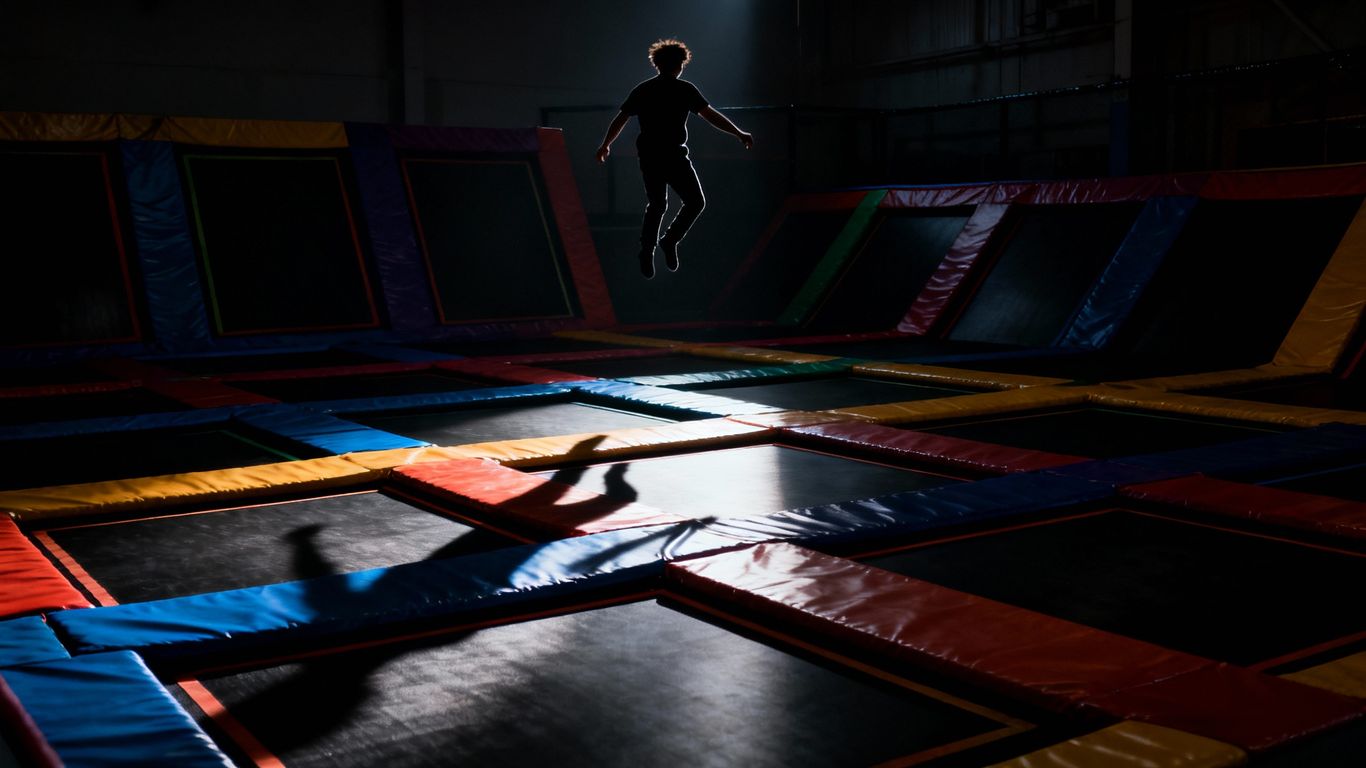
Jumping around at a trampoline park can be a blast, right? Lots of fun, good exercise. But what happens when things go wrong? In Georgia, there are specific rules for these places, and sometimes, they just aren’t followed. This article looks into what you might not hear about when it comes to trampoline park safety violations in Georgia. We’ll cover the common issues, what might be kept quiet, and what it means if you or someone you know gets hurt.
Table of Contents
ToggleKey Takeaways
- Trampoline parks in Georgia have specific safety rules, but violations can happen, leading to injuries.
- Hidden dangers, like poor maintenance or lack of supervision, are often not shared with the public.
- Georgia has regulations for amusement facilities, but the effectiveness of inspections and enforcement varies.
- Injuries can occur due to high-risk activities, equipment problems, and insufficient staff training.
- Knowing the warning signs, your rights, and how to report concerns is important for patrons.
Understanding Trampoline Park Safety Violations in Georgia
Common Hazards in Georgia Trampoline Parks
Trampoline parks are supposed to be fun places, right? Places where kids (and adults!) can burn off energy. But sometimes, things go wrong. In Georgia, like anywhere else, these parks can have hidden dangers. Think about the sheer number of people jumping at once. It’s easy for someone to land wrong, or for two people to collide mid-air. That’s a recipe for sprains, fractures, and even more serious injuries. Then there’s the equipment itself. Are the trampolines well-maintained? Are the pads around the edges thick enough and securely fastened? What about the foam pits – are they deep enough and regularly refreshed?
- Collisions between jumpers: This is a big one, especially when parks get crowded.
- Falls onto hard surfaces: Landing off the trampoline or hitting the metal frame can cause bad injuries.
- Improper use of equipment: People trying flips or tricks they aren’t ready for.
- Lack of adequate padding: Not enough cushioning around the edges or between trampolines.
It’s not just about the trampolines themselves; the entire environment needs to be safe.
The Hidden Dangers: What Isn't Publicly Disclosed
So, what aren’t you being told when you walk into a Georgia trampoline park? Often, the full extent of potential risks isn’t made clear. You sign a waiver, sure, but does that waiver really explain the specific ways people get hurt? Many parks don’t readily share incident reports or data on past injuries. This lack of transparency means patrons are often unaware of the most common ways people get injured at that particular facility. It’s like going into a situation blindfolded. You might think it’s just a bit of bouncing, but the reality can be far more complex and dangerous than advertised.
The focus is often on the fun and the physical activity, with less emphasis placed on the potential for serious harm if safety protocols aren’t strictly followed by both staff and patrons.
Legal Ramifications of Georgia Trampoline Park Safety Violations
When a trampoline park in Georgia cuts corners on safety, it’s not just a minor oversight; it can lead to significant legal trouble. If someone gets hurt because of a violation – say, a broken spring on a trampoline or a lack of supervision during a high-risk activity – the park can face lawsuits. These aren’t just small claims either. We’re talking about potential compensation for medical bills, lost wages, and pain and suffering. The state has rules for amusement facilities, and ignoring them can get expensive. It can also damage a park’s reputation, making people think twice before bringing their families there.
- Personal injury lawsuits: Patrons suing for damages after an accident.
- Regulatory fines: Georgia might fine parks for not meeting safety standards.
- Closure orders: In severe cases, parks could be forced to shut down temporarily or permanently.
- Increased insurance premiums: A history of violations makes insurance costlier, which can be passed on to consumers.
Inspections and Enforcement of Safety Standards
Georgia's Regulatory Framework for Amusement Facilities
When you think about safety rules for places like trampoline parks, you might imagine a whole lot of government oversight. In Georgia, amusement facilities, which include trampoline parks, are subject to certain regulations. These rules are generally put in place to try and keep things safe for everyone who visits. The state has a system for setting standards, but how well it works in practice is another question entirely.
Frequency and Thoroughness of Trampoline Park Inspections
So, how often are these places actually checked out? That’s a big part of the puzzle. Inspections are supposed to happen, but the timing and how deeply they look into things can vary. It’s not always clear how often a specific park is inspected or what exactly the inspectors are looking for. Are they just doing a quick walk-through, or are they really getting into the nitty-gritty of equipment wear and tear, staff training records, and emergency plans? The public usually doesn’t get a detailed report on these inspections, leaving a gap in what people know.
Here’s a general idea of what inspections might cover:
- Equipment Condition: Checking for tears in trampolines, loose springs, and structural integrity.
- Staffing Levels: Making sure there are enough supervisors on duty, especially during busy times.
- Safety Rules Posting: Verifying that rules are clearly displayed for patrons.
- First Aid Availability: Confirming that basic first aid supplies are on hand.
Consequences for Non-Compliance with Safety Regulations
What happens when a trampoline park doesn’t follow the rules? There are supposed to be consequences, of course. This could range from warnings and fines to, in more serious cases, temporary closure. However, the effectiveness of these penalties often depends on how strictly the regulations are enforced. If violations aren’t caught or if the penalties aren’t significant enough, it might not be enough to make a park change its ways. This can lead to a situation where safety is treated as an afterthought rather than a top priority.
The system relies on inspections and enforcement to catch problems before they lead to injuries. When this system has weak spots, the people who visit these parks are the ones who end up paying the price, often with their health.
It’s a bit like having speed limits on the road. They’re there to keep people safe, but if no one is watching the speedometer or if the tickets are too cheap, people might just keep speeding anyway.
Preventable Injuries and Their Causes
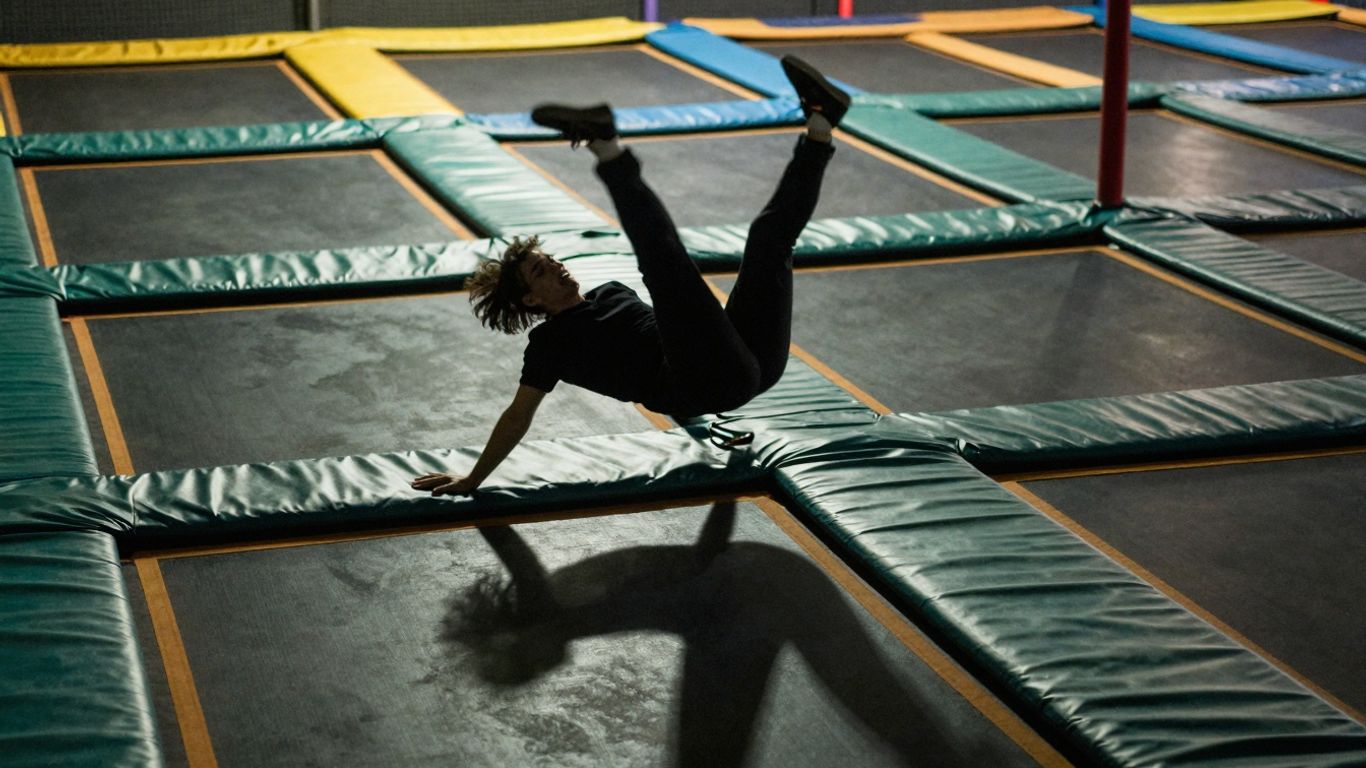
It’s easy to think of trampoline parks as just fun places for kids to burn off energy. But sometimes, things go wrong, and people get hurt. A lot of these injuries aren’t just bad luck; they happen because of things that could have been avoided. We’re talking about situations where supervision was lacking, equipment wasn’t up to par, or the staff just wasn’t ready for an emergency.
High-Risk Activities and Lack of Supervision
When you’ve got a bunch of people, especially kids, bouncing around on trampolines, things can get chaotic fast. Some activities are just naturally riskier than others. Think about things like "slam dunk" basketball hoops or foam pits. These are fun, sure, but they also increase the chances of a bad fall or collision if not managed properly. The real problem pops up when there aren’t enough trained eyes watching what’s going on. Without adequate supervision, risky stunts can go unchecked, leading to serious injuries.
- Double bouncing: When one person bounces while another is in the air, it can send the second person much higher than expected, leading to uncontrolled landings.
- Stunts and flips: While some parks encourage these, they require proper training and spotting. Without it, a failed attempt can result in neck or back injuries.
- Crowding: Too many people on one trampoline or in one area increases the risk of collisions and falls.
The thrill of a trampoline park can sometimes overshadow the need for constant vigilance. It’s a delicate balance between allowing freedom to play and maintaining a safe environment, and when that balance tips, injuries often follow.
Equipment Malfunctions and Maintenance Lapses
Trampolines and the surrounding park structures take a beating. They’re used for hours every day, and wear and tear are inevitable. If the equipment isn’t checked regularly and fixed when needed, it becomes a hazard. A torn mat, a loose spring, or a wobbly frame can all lead to sudden accidents. It’s not just the trampolines themselves; the padding around the edges, the nets, and even the flooring can become dangerous if they’re not maintained.
- Worn-out mats: Tears or holes in the trampoline surface can catch feet or cause unexpected dips.
- Loose or missing springs: These can lead to uneven bouncing or create gaps where limbs can get caught.
- Damaged padding: Insufficient or torn padding around the edges or poles offers little protection from hard impacts.
Inadequate Staff Training and Emergency Preparedness
It’s not enough to just have people watching the floor. The staff needs to know what to look for and what to do when something goes wrong. This means training on how to spot dangerous behavior, how to safely stop activities, and, most importantly, how to handle an injury. If staff members aren’t trained on basic first aid or emergency procedures, a minor incident can quickly become a major problem. Knowing how to contact emergency services and what information to provide is also key. A park that doesn’t have a clear plan for emergencies is putting its patrons at risk.
What Georgia Trampoline Park Patrons Need to Know
Identifying Potential Safety Red Flags
When you’re heading to a trampoline park, especially with kids, it’s easy to get caught up in the excitement. But before you even step inside, take a moment to look around. Are the staff members paying attention, or are they mostly on their phones? Do you see any obvious damage to the trampolines themselves, like rips or sagging mats? Sometimes, the most obvious signs of trouble are the ones we overlook because we’re just eager to have fun. It’s important to trust your gut feeling about a place’s safety. If something feels off, it probably is. Don’t be afraid to ask questions about their safety procedures or how they handle injuries. A good park will be happy to explain.
Your Rights and Recourse After an Injury
If you or someone you’re with gets hurt at a Georgia trampoline park, knowing your rights is key. Most parks will have you sign a waiver before you jump, and while these are common, they don’t always cover everything, especially if the park was negligent. It’s a good idea to document everything if an injury happens. Take pictures of the area where the incident occurred, get contact information from any witnesses, and make sure to get a detailed report from the park staff about what happened. This information can be really helpful if you decide to seek further action.
The Importance of Reporting Safety Concerns
Sometimes, people hesitate to report safety issues because they don’t want to cause a fuss or they think it won’t make a difference. But reporting is how things get fixed. If you see something unsafe, whether it’s a broken piece of equipment, a lack of supervision, or staff not following rules, speak up. You can report it to the park management directly. If you don’t get a satisfactory response, or if the issue is serious, you can also consider reporting it to the Georgia Department of Labor, which oversees amusement facilities. Your report could prevent someone else from getting hurt.
Trampoline parks are meant to be fun, but safety has to come first. It’s not just about following the rules; it’s about creating an environment where everyone can jump and play without unnecessary risk. When parks cut corners, it’s the patrons who end up paying the price, often with injuries that could have been avoided.
Beyond the Bounce: Unseen Trampoline Park Risks
The Role of Insurance and Liability Waivers
When you sign up for a session at a trampoline park, you’re usually handed a waiver. It’s a thick document, often filled with legal talk, and most people just sign it without really reading it. This waiver is designed to protect the park from lawsuits if you get hurt. It basically says you understand the risks involved and agree not to sue, even if the park was a bit careless. It’s important to know that these waivers aren’t always ironclad, especially if the park was grossly negligent or if a minor signed it. But for the most part, they shift a lot of the responsibility onto you, the customer.
Underreporting of Incidents and Injuries
It’s not uncommon for trampoline parks to downplay or not report every single incident. Think about it: if every scraped knee, twisted ankle, or even more serious fall was officially logged and reported, it could lead to more scrutiny. This can create a false sense of security for both the public and sometimes even for regulatory bodies. The actual number of injuries might be higher than what’s officially on record.
Here’s a look at why underreporting happens:
- Fear of Reputation Damage: Parks want to maintain a fun, safe image. Bad press from frequent incidents can hurt business.
- Insurance Premium Concerns: A high number of claims can lead to increased insurance costs.
- Lack of Clear Reporting Mandates: Sometimes, the exact requirements for reporting minor injuries aren’t crystal clear, leading to interpretation.
- Customer Pressure: Staff might be encouraged to resolve issues on the spot rather than filing formal reports, especially if the injury seems minor.
Impact of Frequent Ownership Changes on Safety
Trampoline parks can sometimes change hands more often than you’d think. When a new owner takes over, there can be a period of adjustment. Sometimes, safety protocols get relaxed during these transitions as the new management gets up to speed, or they might cut corners to save money initially. This can lead to a dip in maintenance, less rigorous staff training, or a general oversight of existing safety rules. It’s a hidden risk because the park might look the same on the outside, but the internal focus on safety could have shifted.
It’s easy to focus on the obvious dangers like falling or collisions. But the business side of things, like who owns the park and how they handle paperwork and insurance, can have a big effect on whether the place is actually safe for you and your family. Don’t just assume everything is fine because the trampolines look new.
Trampoline parks are a blast, but they can hide some dangers you might not expect. Beyond the usual bumps and bruises, there are less obvious risks that could lead to serious injuries. Don’t let an accident ruin your fun. Visit our website to learn more about these hidden dangers and how to stay safe. We’re here to help you understand what to watch out for.
So, What's the Takeaway?
Look, we’ve talked about a lot of serious stuff here, and it’s easy to get overwhelmed. But the main point is this: when you take your kids to a trampoline park in Georgia, you’re probably not getting the full picture about safety. The rules are there for a reason, and when they’re not followed, it’s not just a minor slip-up. It can lead to real injuries. It’s a shame that parents have to dig this deep just to figure out if a place is safe for their family. We all want our kids to have fun, but not at the expense of their well-being. Hopefully, this information helps you make smarter choices and maybe even pushes these parks to do better.
Frequently Asked Questions
What are some common safety problems at trampoline parks in Georgia?
Trampoline parks can have several safety issues. Sometimes, the trampolines themselves might be worn out or have tears. There could also be not enough padding around the edges, or the equipment might not be set up right. Sometimes, there aren’t enough people watching to make sure everyone is jumping safely.
What kind of safety information isn't usually shared by trampoline parks?
Parks might not always tell you about how often they check their equipment or how they train their staff. They also might not share details about past accidents or injuries. It’s also common for them to have you sign a paper that says you won’t sue them if you get hurt, which is called a waiver.
What happens if a trampoline park in Georgia doesn't follow safety rules?
If a park breaks safety rules, they could face fines or even be shut down by the state. If someone gets hurt because of their carelessness, the park could be sued for damages. The state has rules for places like this to keep people safe.
Why are some activities at trampoline parks more dangerous than others?
Activities like doing flips, playing dodgeball, or jumping into foam pits can be riskier. This is especially true if there aren’t enough staff members watching to make sure people are doing things safely and not getting too wild. Not having enough supervision makes accidents more likely.
What should I do if I see a safety problem at a trampoline park?
It’s important to let the park management know right away about anything that seems unsafe, like broken equipment or lack of supervision. If you or someone you know gets hurt, you should also report it to the park and consider seeking medical attention. Knowing your rights is also key.
How can changing owners affect safety at a trampoline park?
When a trampoline park changes owners often, it can sometimes mean that safety rules or maintenance might slip. New owners might not be as familiar with the equipment or might cut corners to save money, which could lead to more safety risks for visitors.