If you’ve been hurt in an accident in McDonough, knowing what kind of proof matters most is a big deal. You want to make sure you have everything you need to show what happened and why you deserve compensation. This isn’t always straightforward, and having the right evidence can make all the difference in your personal injury case. Let’s look at what typically helps build a strong claim.
Table of Contents
ToggleKey Takeaways
- Gathering solid personal injury evidence in McDonough is key. This includes detailed records of your injuries, medical treatments, and any expenses you’ve paid out of pocket.
- Don’t forget to document the accident scene itself. Photos, videos, and statements from anyone who saw what happened can really help show fault.
- Understanding the value of your claim involves looking at all your losses, like medical bills and time missed from work, and sometimes expert opinions can help show the full picture.
Crucial Evidence for McDonough Personal Injury Claims
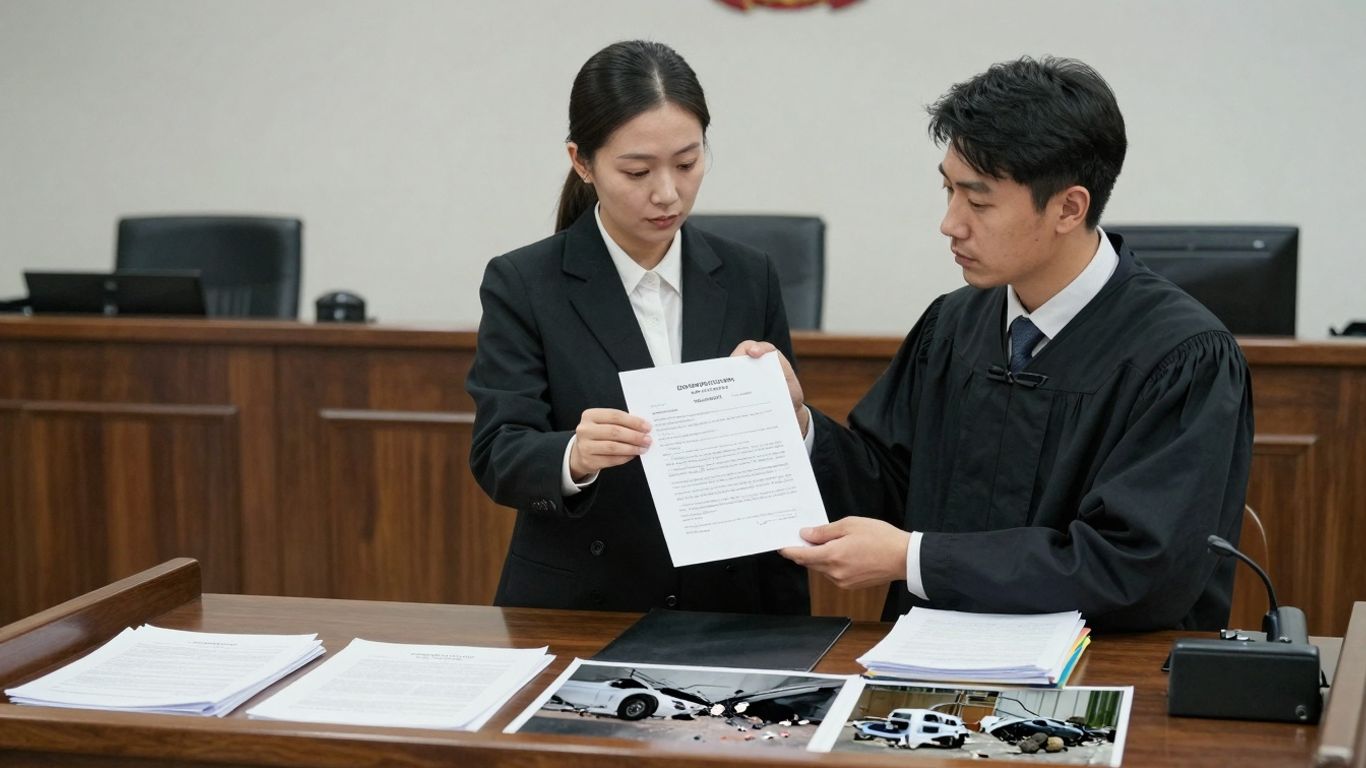
When you’re dealing with a personal injury case in McDonough, having solid proof is what makes or breaks your claim. It’s not just about what happened; it’s about being able to show it happened and how it affected you. Think of it like building a case, brick by brick. The stronger your evidence, the more likely you are to get the compensation you deserve.
Documenting Your Injuries and Medical Treatment
This is probably the most important part. After an accident, your health comes first, but you also need to be thinking about how to prove the extent of your injuries. Every doctor’s visit, every test, every prescription – it all matters. You need a clear record that shows what happened to you and what it’s taking to get better.
- Medical Records: Get copies of everything – doctor’s notes, hospital records, X-rays, MRIs, physical therapy reports, and bills. These documents show the severity of your injuries and the treatment you’ve received.
- Photos of Injuries: Take pictures of your injuries as they heal. Bruises, cuts, swelling – these visual records can be very powerful.
- Doctor’s Statements: Ask your doctor to write a letter explaining your injuries, the treatment required, and your prognosis (what they expect your recovery to be like).
The medical trail you build is the backbone of your injury claim. It’s objective proof that connects the accident to your suffering and the costs associated with your recovery.
Gathering Witness Statements and Accident Scene Photos
What other people saw and what the scene looked like can really back up your story. It’s easy for memories to fade or for insurance companies to try and twist the facts, but clear photos and reliable witness accounts are hard to argue with.
- Photos and Videos: Take pictures of the accident scene from different angles. Include damage to vehicles, road conditions, traffic signals, and any other factors that might have played a role. If you have a dashcam, that footage is gold.
- Witness Contact Information: If anyone saw the accident, get their name and phone number. Ask them what they saw, and if possible, get a written or recorded statement.
- Police Report: If the police responded, make sure you get a copy of the official accident report. This report often contains valuable information, including initial findings about fault and witness details.
Having this kind of evidence helps paint a complete picture of the incident, making it much harder for anyone to deny responsibility.
Understanding the Role of Evidence in McDonough Settlements
So, you’ve had an accident in McDonough. Now what? Well, the next big step is figuring out how to get a fair shake, and that usually means a settlement. Most of these cases don’t end up in a courtroom, which is probably good news for everyone. Instead, they get sorted out with the other side, usually through their insurance company. This is where all that evidence you’ve been collecting really starts to pay off.
Quantifying Damages with Financial Records
When you’re trying to get a settlement, you need to show them exactly what this accident has cost you. It’s not just about the immediate stuff, either. You’ve got to think about everything.
- Medical Bills: This includes everything from the ambulance ride and ER visit to follow-up appointments, physical therapy, medications, and any medical equipment you might need. Keep every single bill and receipt.
- Lost Wages: If you had to miss work because of your injuries, you need to calculate that lost income. This can get tricky if your job involves commissions or if you have a business, but it’s important to get it right.
- Property Damage: This is usually your car, but it could be other items damaged in the accident too. Get repair estimates and invoices.
- Future Costs: Sometimes injuries mean you’ll need ongoing care or won’t be able to work at the same capacity in the future. This needs to be factored in, and it’s where expert opinions can really help.
Figuring out the exact dollar amount for everything can be a headache. It’s not always as simple as adding up receipts. Things like pain and suffering are harder to put a number on, but they are a real part of what you’ve gone through.
Leveraging Expert Opinions for Case Strength
Sometimes, just showing your bills and saying "ouch" isn’t enough. That’s when you might need someone who really knows their stuff to back you up. These experts can make a big difference in how much you get in a settlement.
- Medical Experts: Doctors can explain the severity of your injuries, how long recovery will take, and what future medical care you might need. They can also talk about how the injury affects your daily life.
- Accident Reconstructionists: These folks can figure out exactly how the accident happened, often using physics and engineering. This can be super important if the other side is trying to blame you.
- Economic Experts: If you’ve lost income or will lose future earning potential, an economist can calculate that financial loss precisely. This is especially helpful for long-term injuries.
Having these kinds of professionals on your side gives your claim a lot more weight. It shows the insurance company that you’re serious and that you have solid proof of your losses. The more credible your evidence, the more likely you are to get a settlement that truly covers what you’ve been through.
In McDonough settlements, understanding the role of evidence is key. It’s like building a case with solid facts. The stronger your evidence, the better your chances of a fair outcome. Don’t leave your settlement to chance; explore how evidence plays a crucial part. Visit our website to learn more about how we can help you navigate these complex cases.
Wrapping It Up
So, when it comes to personal injury cases in McDonough, remember that evidence is really the name of the game. It’s not just about what happened, but proving it. From the accident report and medical records to witness statements and photos, each piece helps build your story. Insurance companies will have their own side, and they’ll use their own evidence. That’s why having a solid collection of proof is so important, whether you end up settling or going to court. It really makes a difference in getting the compensation you deserve for everything you’ve been through.
Frequently Asked Questions
What kind of proof is most important in a personal injury case in McDonough?
The most important proof usually includes medical records that show your injuries and how you were treated, pictures of the accident scene and your injuries, and statements from anyone who saw what happened. This evidence helps show who was at fault and how much your injuries have cost you.
How do I prove how much money I lost because of my injury?
To show lost money, you’ll need things like pay stubs showing your normal earnings and letters from your boss explaining when you couldn’t work. Medical bills and receipts for treatment are also key. If your injury means you can’t earn as much in the future, experts might help figure out that loss.
What if the other side disagrees with my evidence?
The other side, often an insurance company, will likely have their own lawyer and evidence to try and reduce their responsibility. They might question your witnesses or suggest the accident wasn’t their fault. That’s why having strong, clear proof and a good lawyer is so important to stand up against their arguments.