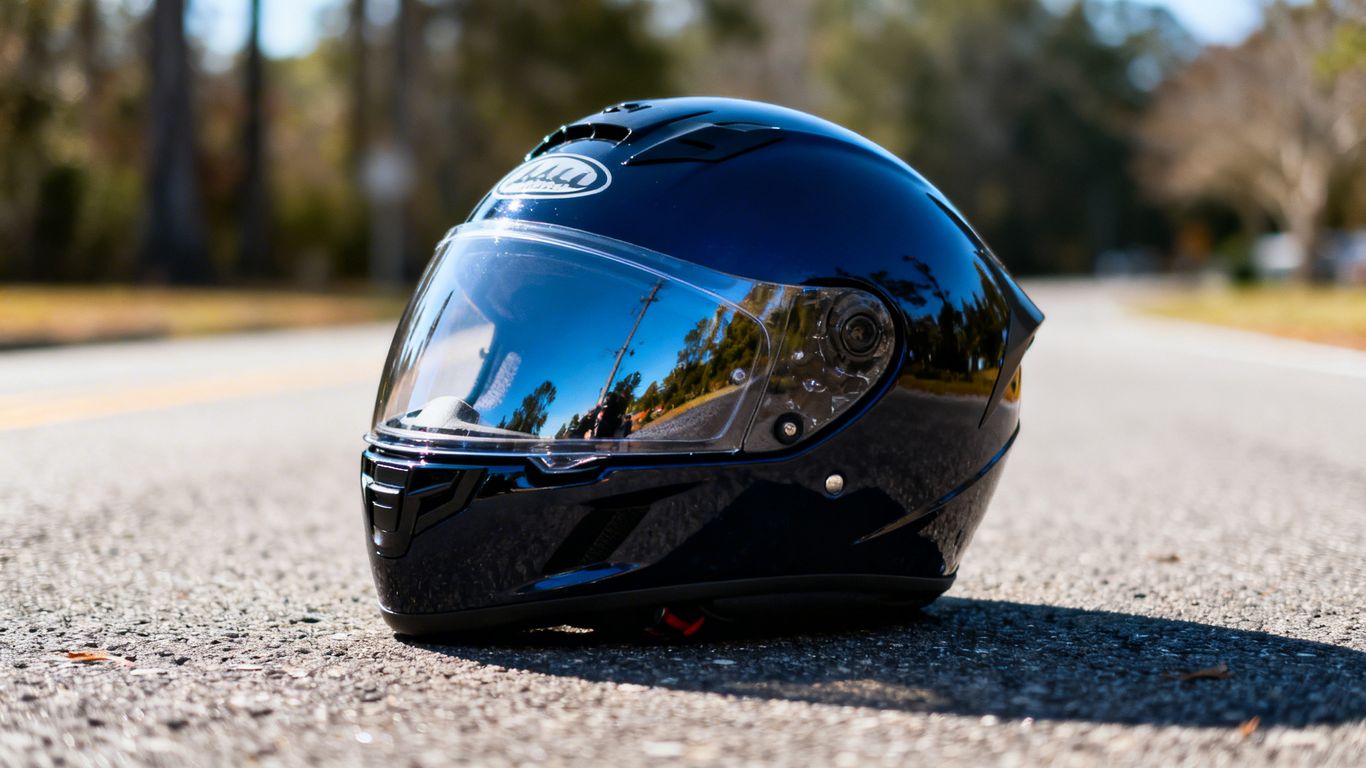
Riding a motorcycle around Albany, GA, can be a great experience, but it’s important to know the rules. One big one is the motorcycle helmet law in Georgia. This law is there to help keep riders safe, but it also has some rules you need to follow. Let’s break down what the motorcycle helmet law Georgia Albany folks need to know.
Table of Contents
ToggleKey Takeaways
- Georgia has a universal motorcycle helmet law, meaning all riders and passengers must wear a DOT-approved helmet, with very few exceptions like those in enclosed cabs or using specific agricultural three-wheeled motorcycles.
- Not following the motorcycle helmet law Georgia Albany riders need to be aware of can lead to legal penalties, including fines up to $1,000 and potential jail time or community service, though jail time is rare.
- Failing to wear a helmet can hurt your chances of getting full compensation in an accident claim under Georgia’s modified comparative negligence rules, as your own lack of protection might be seen as contributing to your injuries.
Understanding Georgia's Motorcycle Helmet Law
Back in 1969, Georgia put a law in place that says pretty much everyone on a motorcycle has to wear a helmet. It’s a universal law, meaning it doesn’t matter if you’re the driver or the passenger, or how old you are. This rule is all about keeping riders as safe as possible. When you’re out there on two wheels, you don’t have the same protection as someone in a car, and a helmet can make a huge difference if something goes wrong.
Mandatory Helmet Use for All Riders
So, what does this mean for you if you’re riding in or around Albany? It means you and any passenger must have a helmet on. This isn’t just a suggestion; it’s a requirement under Georgia law. The state’s Department of Public Safety has specific standards that helmets need to meet, so it’s not just any old hat you can throw on. These standards are designed to make sure the helmet can actually protect your head in a crash. Think of it as the minimum safety gear you need before you even start the engine.
Exceptions to the Helmet Requirement
Now, like most laws, there are a couple of specific situations where you might not need a helmet. These are pretty narrow, though. The law doesn’t apply if you’re riding in a vehicle with an enclosed cab, like some specialized carts. Also, if you’re operating a three-wheeled motorcycle that’s strictly used for farming purposes, you’re exempt. That’s pretty much it. For the vast majority of motorcycle riders out there, the helmet rule is a must-follow.
Riding without a helmet significantly increases your risk of severe head injuries and even death in an accident. While the law is there for your protection, the personal consequences of not wearing one can be devastating.
Here’s a quick rundown of what the law generally covers:
- Who must wear a helmet: All motorcycle operators and passengers.
- What kind of helmet: Must meet Department of Transportation (DOT) standards.
- When to wear it: At all times while operating or riding on a motorcycle.
It’s pretty straightforward, and honestly, it’s just smart to wear one anyway. You can find DOT-approved helmets at most places that sell motorcycle gear. Just make sure to check for the DOT sticker and the required labeling on the back, which should include the manufacturer, model, and the phrase "DOT, FMVSS No. 2018, Certified."
Consequences of Violating the Motorcycle Helmet Law
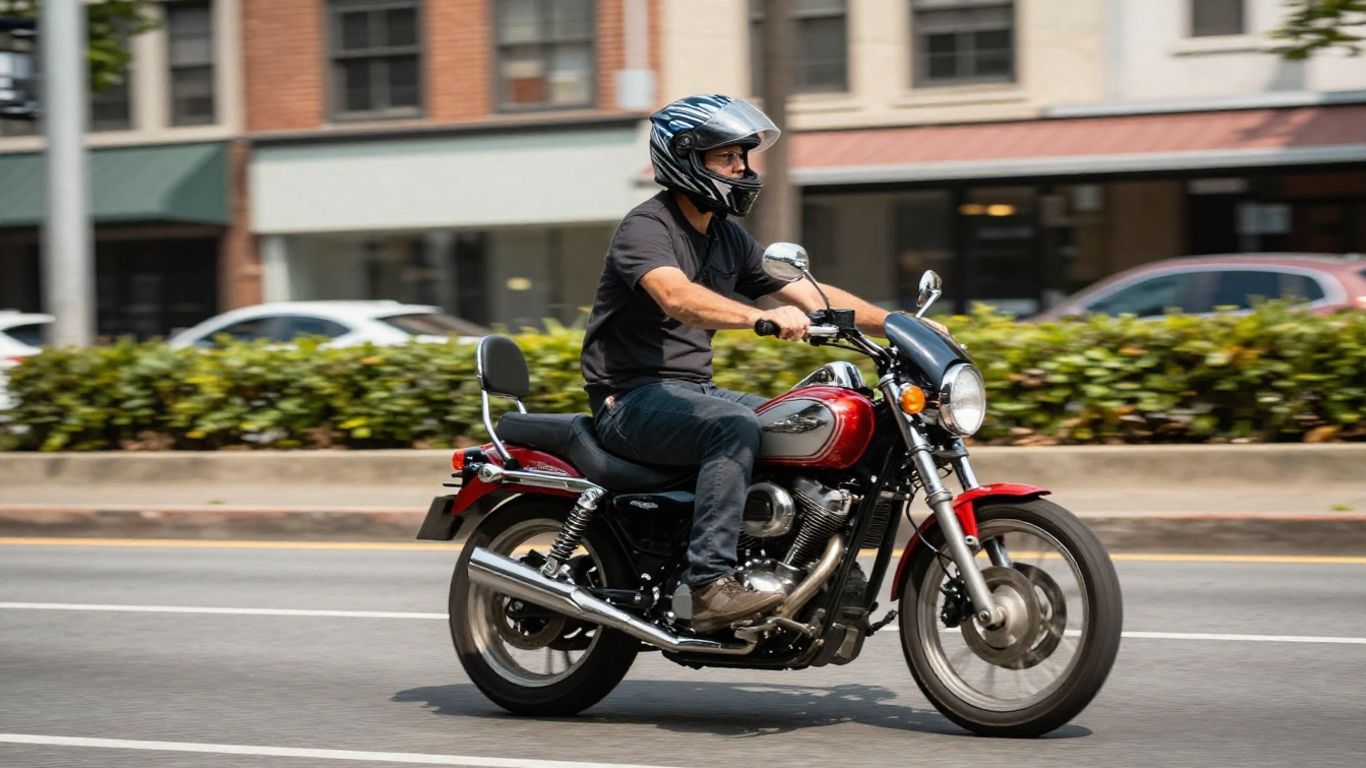
So, you’re thinking about skipping the helmet on your next ride in Albany? While it might seem like a small thing, not wearing a helmet when you’re on a motorcycle in Georgia can lead to some pretty serious trouble. It’s not just about avoiding a ticket; it can really mess things up if you end up in an accident.
Legal Penalties for Non-Compliance
First off, let’s talk about the immediate consequences. If a law enforcement officer catches you without a helmet, you’re looking at a misdemeanor offense. This could mean a fine, and while jail time is rare for a first offense, it’s technically on the table. Fines can go up to $1,000, though usually, they’re much lower, maybe a couple hundred bucks. It’s still money out of your pocket that could have gone towards something fun.
- Misdemeanor charge
- Potential fines up to $1,000
- Possible jail time or community service (though uncommon)
It’s easy to think that these laws are just about control, but they’re really in place because helmets save lives and prevent life-altering injuries. The statistics on head injuries in motorcycle accidents are pretty stark, and a helmet is the single most effective piece of safety gear a rider has.
Impact on Accident Claims and Compensation
Now, this is where things can get really complicated, especially if you’re involved in a crash. Georgia follows a system called modified comparative negligence. What this means is that if you’re in an accident and you were partly at fault, your compensation can be reduced by the percentage you’re found to be responsible. If you weren’t wearing a helmet, a court might decide that your failure to do so contributed to your injuries, potentially lowering the amount of money you can get from the person who caused the accident.
For example, imagine you’re in a collision and the other driver is clearly at fault. However, because you weren’t wearing a helmet, the jury might decide you were, say, 30% responsible for the severity of your head injury. In that case, you’d only receive 70% of the total damages awarded. This is why it’s so important to follow Georgia’s motorcycle helmet law to protect your rights if the worst happens. Having a legal professional can help sort through these complexities, especially when dealing with accident claims.
Ensuring Helmet Compliance and Safety
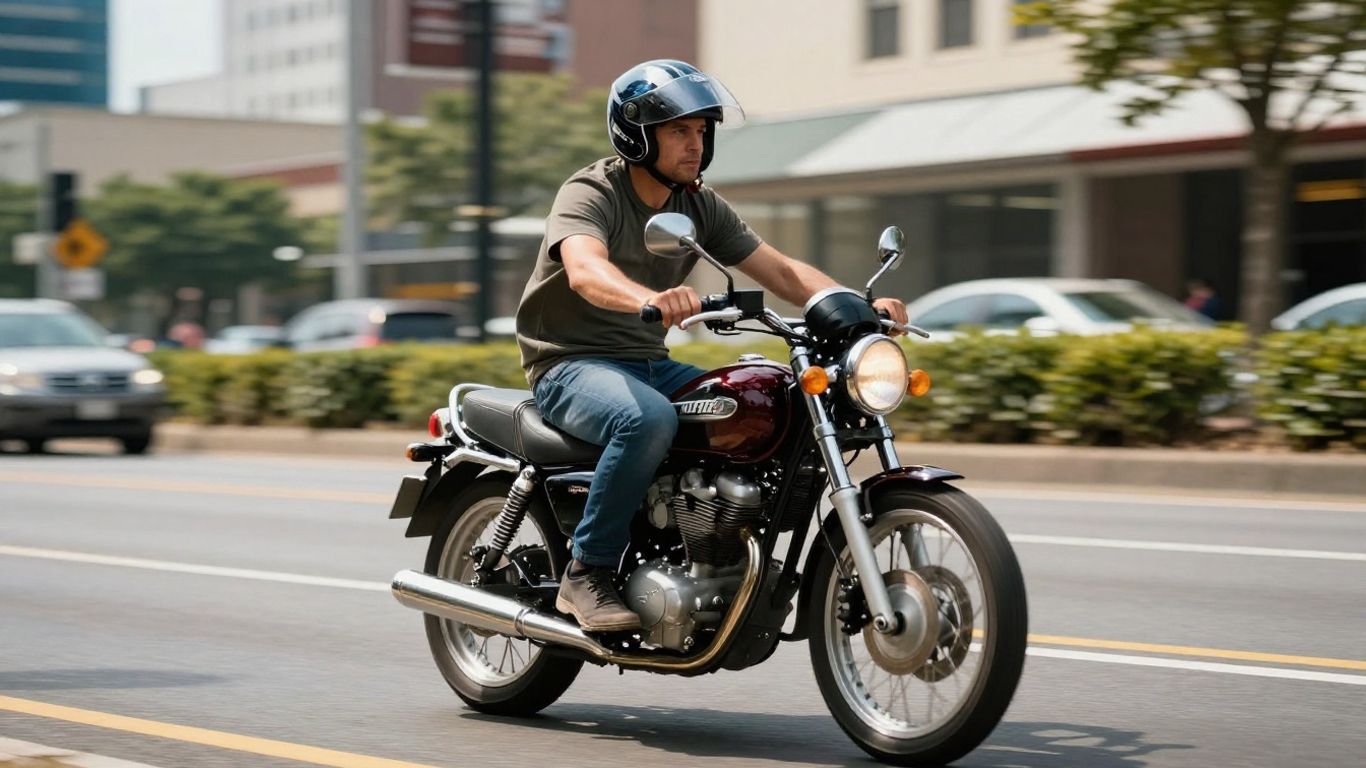
So, you’ve got your motorcycle, and you’re ready to hit the road in Albany. That’s great! But before you twist that throttle, let’s talk about making sure you’re riding safely and legally. Georgia’s got specific rules about helmets, and it’s not just about avoiding a ticket. It’s about protecting yourself.
Requirements for DOT-Approved Helmets
When you’re looking for a helmet, don’t just grab the first one you see. Georgia law requires helmets to meet Department of Transportation (DOT) standards. This isn’t just a sticker; it means the helmet has gone through some serious testing to make sure it can actually protect your head.
Here’s what you should look for:
- Impact Protection: The helmet needs to be able to spread out the force if you hit something hard. It’s designed to absorb that shock.
- Penetration Resistance: It should also protect your head from sharp objects that could cause serious injury.
- Retention System: The straps and buckles need to be strong. They have to keep the helmet on your head during a crash, not fly off.
- Visibility: While not always thought of, the helmet design shouldn’t block your vision too much. You need to see what’s going on around you.
Always check for the DOT certification label, usually found on the back of the helmet, which should state "DOT, FMVSS No. 218, Certified." Be wary of helmets that just have a sticker that looks like it, especially if you’re buying online. Stick to reputable dealers to avoid fakes.
Buying a helmet is an investment in your well-being. It’s the single most important piece of safety gear you’ll wear. Make sure it fits right and meets the legal standards.
Additional Motorcycle Safety Regulations
Beyond just the helmet, Georgia law also has a couple of other points to keep in mind for rider safety:
- Eye Protection: You need something to protect your eyes. This can be a windshield that’s large enough, a helmet with a visor, or approved protective eyewear like goggles.
- Passenger Safety: Remember, these rules apply to your passenger too. They need to be wearing a DOT-approved helmet and have proper eye protection if required.
Following these guidelines isn’t just about staying out of trouble with the law; it’s about making sure you can enjoy your ride safely. A little attention to detail now can make a big difference later.
Making sure helmets fit right and are used correctly is super important for staying safe. It’s not just about wearing one, but about wearing the right one and making sure it’s snug and secure every time you ride. Don’t take chances with your safety; learn more about helmet rules and how to pick the best gear for you. Visit our website today to get all the details and ensure you’re protected.
Wrapping It Up
So, when you’re out riding your motorcycle in Albany, remember that Georgia law pretty much makes helmets a must-have for everyone on the bike, driver or passenger. It’s not just about avoiding a ticket, though that’s a real possibility with fines and maybe even some jail time if you’re caught. More importantly, wearing a DOT-approved helmet is a big deal for your own safety. If you do end up in an accident, not having one on could really hurt your chances of getting fair compensation for your injuries. It’s a simple step that makes a huge difference, both legally and for your well-being on the road.
Frequently Asked Questions
Does everyone have to wear a helmet on a motorcycle in Georgia?
Yes, Georgia has a law that says all motorcycle riders and passengers must wear a helmet. This rule applies to everyone, no matter their age. The only exceptions are for people riding inside an enclosed cab, in a motorized cart, or operating a three-wheeled motorcycle used only for farming.
What happens if I get caught not wearing a helmet?
If you’re caught riding without a helmet in Georgia, you could get a ticket. This is a minor offense, and you might have to pay a fine, which can be up to $1,000. While it’s possible to face jail time, it’s very unlikely for this specific offense. Usually, it just results in a fine.
Can not wearing a helmet affect my accident claim?
Yes, it can. If you’re in an accident and weren’t wearing a helmet, it might reduce the amount of money you can get. Georgia uses a system where your compensation can be lowered if you’re found partly responsible for your injuries. Not wearing a helmet could be seen as contributing to your head injuries, potentially lowering your settlement.