So, your kid had a tumble at the trampoline park? It happens. These places are fun, but let’s be real, they can also be a bit wild. If something goes wrong, knowing what to do next can make a big difference. This isn’t about pointing fingers, it’s about being prepared. We’ve put together a simple trampoline park accident checklist for parents, just in case. It covers what to do right away and what to think about later. Hopefully, you won’t need it, but better safe than sorry, right?
Table of Contents
ToggleKey Takeaways
- Understand that trampoline parks have risks, from equipment issues to interactions with other jumpers. Injuries can range from minor bumps to serious harm.
- If an accident occurs, the first steps are to get medical help if needed, document everything you can at the scene, and get contact details from anyone who saw what happened.
- Check if the park had clear rules posted and if staff were watching the jumpers. Look at the condition of the trampolines and padding.
- Be aware that signing a waiver means you accept some risks, but it doesn’t always cover everything the park is responsible for.
- Consider talking to a legal expert if the injury is serious or if you feel the park’s safety measures were lacking. Knowing your rights is important.
Understanding Trampoline Park Risks
Trampoline parks have popped up everywhere, and while they seem like a blast, it’s important to know they come with their own set of dangers. It’s not just about a little bump or bruise; some injuries can be pretty serious. The rapid growth of these parks means more people are jumping, and unfortunately, more people are getting hurt.
Common Causes of Trampoline Park Injuries
Injuries at these places usually happen in a couple of main ways: either from a jumper interacting with the equipment itself, or from jumpers bumping into each other. Landing on the padded areas around the trampolines, for instance, can still lead to injuries, even though they’re there to help. Foam pits, while fun, also have risks if they aren’t deep enough or filled with the right stuff. Plus, many parks now have extra attractions like ninja courses or trapeze swings, and each of these has its own potential for accidents.
- Equipment Mishaps: This includes landing wrong on the trampoline mat, hitting the metal frame or springs (even with padding), or equipment malfunction.
- Patron Collisions: When multiple people are jumping, it’s easy for someone to land on another person or for erratic jumping to cause a crash.
- Unsafe Behavior: Not following rules, attempting dangerous tricks, or overcrowding a trampoline area can all lead to injuries.
It’s easy to get caught up in the fun and forget that trampolines are inherently risky. Even with padding and rules, the forces involved in jumping can lead to unexpected outcomes.
Severity of Potential Injuries
The range of injuries can be quite wide. On the less severe side, you might see things like sprains, bruises, or dislocated joints. However, it can get much worse. Broken bones, serious spinal cord injuries, and even traumatic brain injuries (TBIs) have been reported. Sadly, in the most extreme cases, fatalities have occurred.
Here’s a look at how emergency room visits have changed:
| Year | ER Visits | Number of Parks (Approx.) |
|---|---|---|
| 2010 | 581 | N/A |
| 2014 | 6,932 | 281 |
Increased Injury Rates and Park Growth
As more trampoline parks open their doors, the number of injuries reported has gone up significantly. Between 2010 and 2014, emergency room visits related to trampoline parks saw a massive jump. This growth isn’t always matched by strict safety regulations, as only a handful of states have specific laws for these facilities. This means the responsibility often falls on the park operators to maintain safety and on parents to be aware of the risks.
Immediate Actions After an Accident
Okay, so your kiddo just had a tumble at the trampoline park. It happens, right? But when it does, you need to know what to do, like, right away. Don’t just stand there wondering. Your first move should always be to check if your child needs medical help.
Prioritize Medical Attention
This is the big one. If your child seems hurt, even a little bit, don’t mess around. Look for signs like:
- Crying uncontrollably or seeming in a lot of pain.
- Not being able to move a limb like they normally would.
- Looking dazed, confused, or not responding like usual.
- Any bleeding that won’t stop.
- Complaining of a headache, dizziness, or feeling sick to their stomach.
If you see any of these, or if you just have a gut feeling something’s not right, get them checked out. It’s better to be safe than sorry. You can ask the park staff if they have a first-aid station or if they can call for medical help. If it looks serious, don’t hesitate to call 911 yourself.
Document the Scene
While you’re dealing with the immediate aftermath, try to take a mental snapshot of what happened. If it’s safe and you have a moment, snapping a few quick photos with your phone can be super helpful later. Think about:
- Where the accident happened.
- Any equipment that might have been involved or looked faulty.
- The general condition of the area.
This isn’t about blaming anyone right then and there, but more about gathering facts while they’re fresh. You don’t want to forget important details.
Gather Witness Information
Were there other people around when your child got hurt? If so, try to get their contact info. They might have seen something you missed, or they could be a witness if there are questions later. Ask them politely if they’d be willing to share their name and phone number or email. Sometimes, other parents or even park employees might have seen what went down. It’s good to have a few extra eyes on what happened.
It’s easy to get flustered when your child is hurt, but staying as calm as possible helps you think clearly. Focus on your child’s well-being first, then worry about the details. Having a plan in mind, like this checklist, can make a big difference when the unexpected happens.
Assessing Park Safety and Supervision
After an accident, it’s natural to feel shaken up. But once everyone’s medical needs are addressed, it’s smart to take a look around. Was the park doing its part to keep things safe? This isn’t about assigning blame right away, but more about understanding what happened and if the park’s setup and staff were up to snuff.
Review Park Rules and Signage
Did you see the rules posted? Were they easy to find and understand? Most parks have signs explaining what you can and can’t do, like no double bouncing or roughhousing. It’s also common for them to show a quick video before you jump in. These are supposed to help everyone stay safe.
- Visibility: Were the signs clear and placed where people would actually see them?
- Clarity: Was the language simple enough for most people to get?
- Completeness: Did the rules cover the main risks, like interacting with other jumpers or using equipment improperly?
Sometimes, rules are just there to check a box. A truly safe park makes sure people actually follow them.
Evaluate Staff Attentiveness
Think about the staff members you saw. Were they actually watching what was going on, or were they on their phones or chatting with each other? Good supervision is key, especially when you have a lot of people jumping around.
- Presence: Were there enough staff members spread out across the jumping areas?
- Engagement: Did they seem to be actively watching for unsafe behavior, or just standing around?
- Intervention: Did staff step in when they saw something risky, like someone being too wild or a dangerous interaction between jumpers?
Staff should be actively monitoring the floor, not just reacting when something goes wrong. It’s also important that they’re assigned to specific areas, so they know what’s happening right in front of them. For example, one person watching a trampoline court shouldn’t also be responsible for a dodgeball game at the same time.
Check Equipment Condition
Take a quick look at the trampolines and any other equipment. Did anything look worn out, broken, or damaged? Parks should be checking their gear regularly.
| Item Checked | Condition Observed | Notes (if any) |
|---|---|---|
| Trampoline surface | Good / Worn / Torn | |
| Padding | Secure / Loose | |
| Springs | Intact / Damaged | |
| Netting/Barriers | Intact / Damaged | |
| Other attractions | Good / Damaged |
Parks should have a system for checking equipment daily and keeping records of maintenance. Things like popped springs or loose padding can be serious hazards.
Navigating Park Policies and Waivers
So, you’ve had an accident at the trampoline park. What’s next? Before you get too worked up, it’s time to look at the paperwork. Most parks will have you sign something before you even get to jump, and it’s usually called a waiver or a release of liability. This document is super important because it basically says you understand the risks involved and agree not to sue the park if you get hurt.
Understand Liability Waivers
These waivers are pretty standard in places with physical activities. They’re designed to protect the park from lawsuits. They’ll usually list out all sorts of potential dangers, like falling, colliding with others, or even landing wrong. It’s a good idea to read it carefully, even though it might seem like a bunch of legal mumbo jumbo. If you’re signing for a kid, you’re agreeing on their behalf.
- What it covers: Typically, it releases the park from responsibility for injuries that happen during normal use of the equipment.
- What it might not cover: Some waivers might not hold up in court if the injury was due to the park’s gross negligence or a faulty piece of equipment they knew about.
- Your signature: Signing means you acknowledge the risks and agree to the terms. For minors, a parent or guardian must sign.
Review Park's Safety Measures
While you’re looking at the waiver, take a moment to think about the park’s actual safety setup. Did they have clear rules posted? Were the staff actually watching what was going on? Sometimes, the waiver is just one piece of the puzzle. If the park wasn’t taking reasonable steps to keep people safe, that’s a different story.
It’s easy to just sign the waiver and forget about it, but if an accident happens, the park’s commitment to safety becomes a big deal. Did they have enough staff? Were the trampolines in good shape? These are questions you’ll want to consider.
Inquire About Incident Reporting
After an accident, the park should have a process for documenting what happened. Ask them how they handle incident reports. A good park will have a system for recording injuries, even minor ones. This shows they’re taking safety seriously and have a record of the event.
- Ask for a copy: See if you can get a copy of the incident report they fill out.
- What details are recorded: Note what information they collect, like the time, location, and description of the incident.
- Staff involvement: How did the staff respond? Did they follow their own procedures?
Seeking Further Assistance
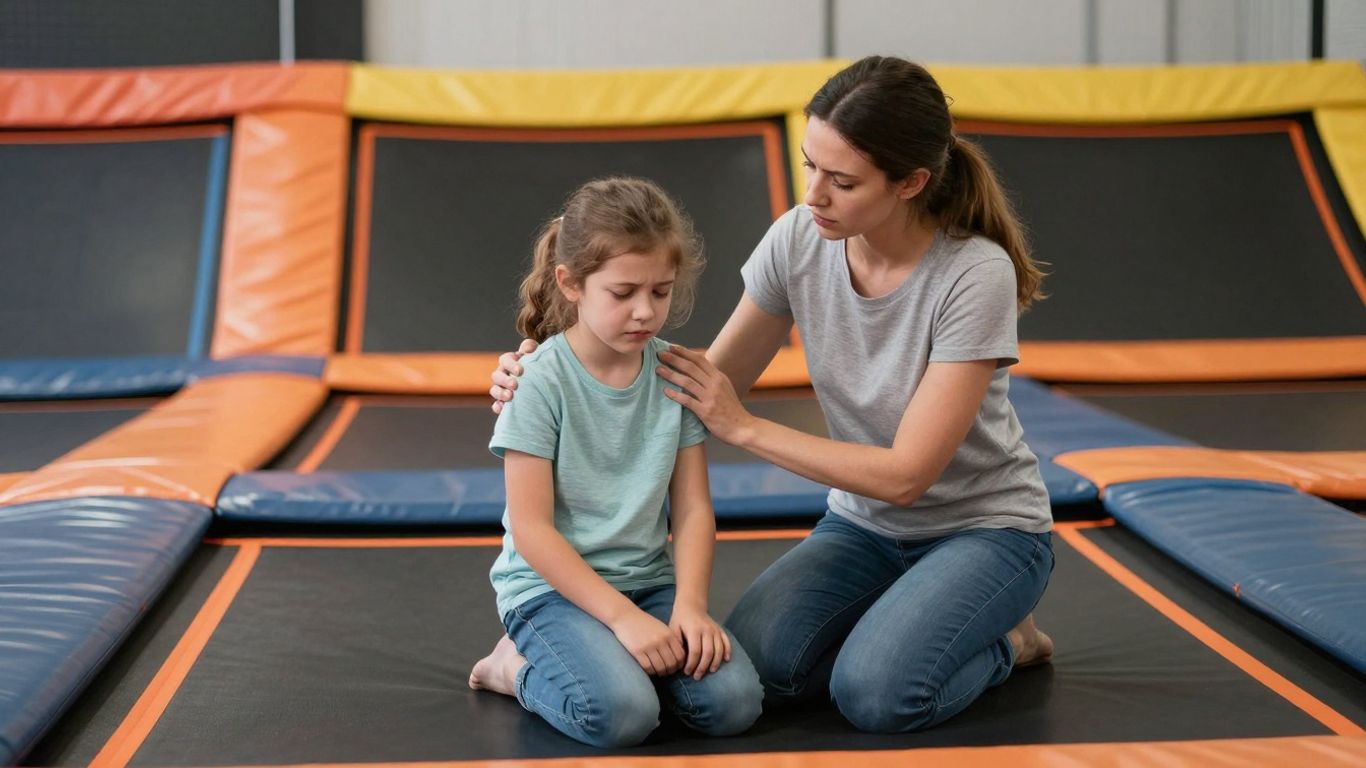
Sometimes, even after you’ve done everything you can at the park, you might still need more help. It’s not always straightforward, and knowing where to turn can make a big difference. Don’t feel like you have to figure it all out alone.
Consulting Legal Professionals
If your child or someone you know has been seriously hurt, or if you feel the park’s actions were negligent, talking to a lawyer who knows about personal injury cases is a good idea. They can explain your options and help you understand what steps you might need to take. It’s not about suing for every little thing, but about making sure that if someone was truly at fault, there are consequences and that the injured party gets the support they need for recovery.
Reporting Serious Incidents
For really bad accidents, especially those involving severe injuries or potential safety violations that could affect many people, reporting it might be necessary. This helps authorities track safety issues and potentially prevent future problems. You can often report incidents to local consumer protection agencies or even state-level safety boards, depending on where you are.
Understanding Your Rights as a Patron
It’s important to remember that as someone paying for a service, you have rights. While trampoline parks have waivers, these don’t always cover everything, especially if the park was clearly not following safety rules or if their staff was not properly trained or attentive. Knowing what the park’s responsibilities are, beyond just the waiver you signed, is key. This includes their duty to maintain safe equipment and provide adequate supervision.
Trampoline parks are businesses that invite the public to use their facilities. While they do have rules and require waivers, they also have a responsibility to provide a reasonably safe environment. This means keeping equipment in good repair, having enough staff to watch over the jumpers, and making sure their rules are clear and followed. If they fail in these basic duties and someone gets hurt as a result, they may be held accountable.
Here are some general points to consider when seeking further help:
- Gather all documentation: Keep copies of any incident reports, medical bills, photos, and communication with the park.
- Check local regulations: Some areas have specific rules for recreational facilities like trampoline parks.
- Consider the severity: Minor bumps and bruises might not warrant further action, but serious injuries or clear negligence certainly could.
- Don’t delay: There are often time limits for taking legal action, so it’s best to look into your options sooner rather than later.
Need more help or have questions? We’re here to assist you. Visit our website to learn more about how we can support you.
Wrapping Up: Staying Safe and Prepared
Look, trampoline parks can be a blast, but as we’ve talked about, things can go wrong. Knowing what to do if an accident happens is super important for any parent. Having this checklist handy means you’re not scrambling when you’re already stressed. Remember, a lot of these issues come down to supervision and following the park’s rules. So, keep an eye on your kids, talk to them about safety, and if something does happen, you’ll be ready to handle it. Stay safe out there!
Frequently Asked Questions
How common are injuries at trampoline parks?
Trampoline parks have become really popular, and unfortunately, so have the injuries that happen there. Studies show that emergency room visits for trampoline park injuries have gone up a lot in recent years. It’s important to know that even with safety rules, accidents can still happen.
What are the main ways people get hurt at these parks?
Most injuries happen in two main ways: either from bumping into or falling on the equipment, or from crashing into other people jumping around. Things like landing wrong on padded areas, falling into foam pits, or colliding with others can all lead to injuries.
What kind of injuries can happen at a trampoline park?
Injuries can range from minor bumps, bruises, and sprains to more serious problems like broken bones, dislocated joints, and even head or spine injuries. It’s crucial to be aware that severe injuries are possible, though less common.
What should I do if my child gets hurt at a trampoline park?
The first thing to do is get medical help right away if needed. After that, try to gather as much information as you can about what happened, like taking pictures of the area and getting contact details from anyone who saw the accident.
Are trampoline park liability waivers really important?
Yes, they are. These waivers are legal documents that explain the risks involved in jumping and ask you to agree not to sue the park if you get hurt. It’s a good idea to read them carefully before signing, so you understand what you’re agreeing to.
How can I help keep my child safer at a trampoline park?
Always make sure your child understands and follows the park’s rules. Encourage them to jump within their limits and avoid risky tricks. Also, pay attention to the supervision provided by the park staff and speak up if you see anything unsafe.