
Getting into a car accident is bad enough, but when the injuries are severe, it can turn your life upside down. We’re talking about injuries that change things forever, making it hard to work, care for your family, or even do everyday things. If this has happened to you in Duluth, you might feel lost and unsure of what to do next. This is where understanding your legal options becomes really important. We’ll break down what counts as a serious injury and what steps you can take to get the help you need.
Key Takeaways
- Catastrophic injuries are severe, life-altering conditions that can leave you with permanent disabilities or physical changes, significantly impacting your quality of life and future.
- After a serious car accident in Duluth, it’s vital to gather and preserve all evidence, including medical records and witness information, and to be cautious when speaking with insurance companies.
- Hiring a dedicated catastrophic car accident lawyer in Duluth can help you navigate the complex legal process and pursue fair compensation for all your losses.
Understanding Catastrophic Injuries After a Collision
Car accidents can lead to all sorts of injuries, but sometimes, the damage is serious enough to permanently change someone’s life. These are known as catastrophic injuries. The impact of these injuries isn’t just about physical pain—it reaches into every part of life, from work and relationships to everyday independence.
What Constitutes a Catastrophic Injury?
A catastrophic injury isn’t just a bad scrape or a broken bone that heals quickly. We’re talking about harm that leaves long-term or permanent effects. Here’s what typically puts an injury in this category:
- Permanent loss of function or disability (like paralysis or amputation)
- Large-scale disfigurement or scarring
- Brain injuries that affect memory or personality
- Severe burns across significant parts of the body
- Serious internal injuries requiring organ removal
If an injury leaves you unable to care for yourself, work, or even move as you did before, it almost always qualifies as catastrophic. Sometimes, the legal system, like in Ontario’s catastrophic injury designation, will recognize these cases specifically, which can influence the support and compensation available.
Common Types of Severe Injuries
While every accident is different, some injuries show up again and again in serious collisions:
- Traumatic Brain Injury (TBI) and other significant brain damage
- Spinal cord injuries leading to any level of paralysis
- Amputation of limbs or loss of use
- Major burns and severe facial or body disfigurement
- Permanent vision or hearing loss
Let’s look at a table highlighting some data:
| Injury Type | Common Effects | Typical Impact |
|---|---|---|
| TBI | Loss of memory, cognition | Need for long-term care |
| Spinal Injuries | Loss of movement/sensation | Wheelchair use |
| Amputation | Loss of limb | Prosthetics/therapy |
| Burns | Disfigurement, nerve pain | Multiple surgeries |
These injuries almost always require lengthy recovery and, more often than not, ongoing care. Things like physical therapy, adapting your living space, or even moving into special care homes are common. The medical costs are huge—not just at first, but for years to come.
After a catastrophic car accident, you might find yourself not only fighting to recover, but also struggling to adapt to a completely different way of living. Everyday routines, hobbies, and even the ability to work can change in an instant.
Legal Steps for Catastrophic Injury Claims in Duluth
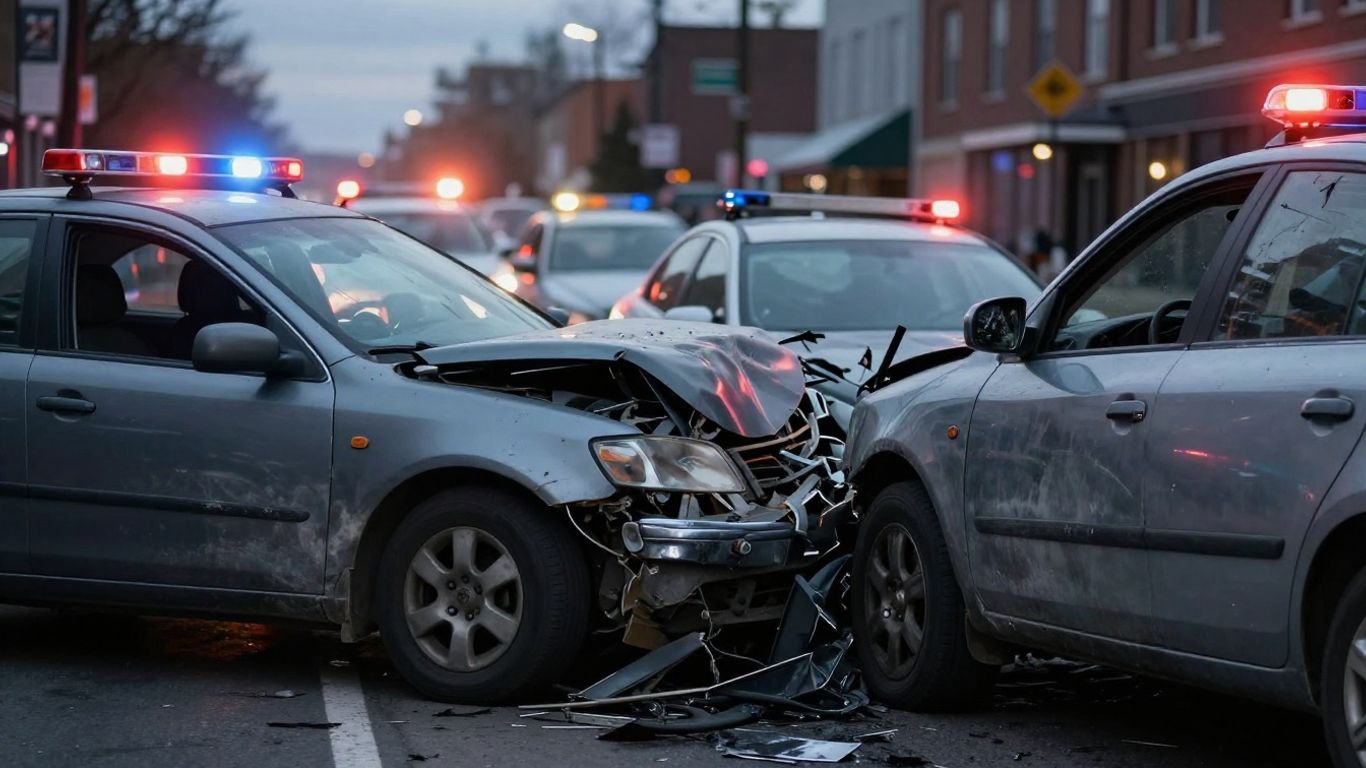
Dealing with the aftermath of a catastrophic car accident in Duluth is incredibly tough. Beyond the immediate medical crisis, there’s a whole legal process to think about, and it can feel overwhelming. Taking the right steps early on can make a big difference in the outcome of your claim.
Preserving Crucial Evidence
After a serious collision, gathering and keeping evidence is super important. This stuff is what proves what happened and how bad your injuries are. Think of it as building your case, piece by piece.
Here’s what you should focus on collecting:
- Medical Records: Get copies of everything – ambulance reports, hospital stays, doctor’s visits, therapy notes, and prescriptions. These documents show the extent of your injuries and the care you’ve received.
- Financial Records: Keep track of all accident-related expenses. This includes medical bills, medication costs, physical therapy fees, and even travel expenses to and from appointments. If you missed work, document your lost wages too.
- Accident Details: If possible, get the police report. Also, take photos of the accident scene, your vehicle, and any visible injuries. If there were witnesses, try to get their contact information.
- Communication Records: Save any letters, emails, or notes exchanged with insurance companies or other parties involved.
It’s also a good idea to avoid talking about the accident on social media. Insurance companies sometimes look at these posts to try and lower the amount they pay out. Just keep everything related to the case private.
Following your doctor’s advice and attending all recommended treatments is not just good for your health, but it also creates a clear record of the impact the accident has had on your life. This documentation is vital for demonstrating the severity of your injuries and the necessity of ongoing care.
Navigating Insurance Companies and Liability
Dealing with insurance adjusters can be tricky. They represent the insurance company, and their goal is usually to settle claims for as little as possible. It’s easy to say the wrong thing or agree to something that might hurt your case later.
When it comes to figuring out who’s responsible, it’s not always straightforward. Sometimes, it’s just one other driver. Other times, multiple parties might share blame. This could include the driver, their employer if they were working, or even a vehicle manufacturer if a defect played a role. Identifying all potentially liable parties is a key part of building a strong claim. In Georgia, you generally have two years from the date of the accident to file a lawsuit, so don’t wait too long to get started understanding your legal options.
- Don’t give recorded statements without legal advice. Insurance companies often ask for these, but they can be used against you.
- Be wary of early settlement offers. These are often much lower than what your claim is truly worth, especially with catastrophic injuries.
- Understand liability. This means determining who was at fault for the crash. Was it speeding, distracted driving, or something else? Pinpointing the cause helps establish who should pay for damages.
Seeking Justice with a Duluth Catastrophic Car Accident Lawyer
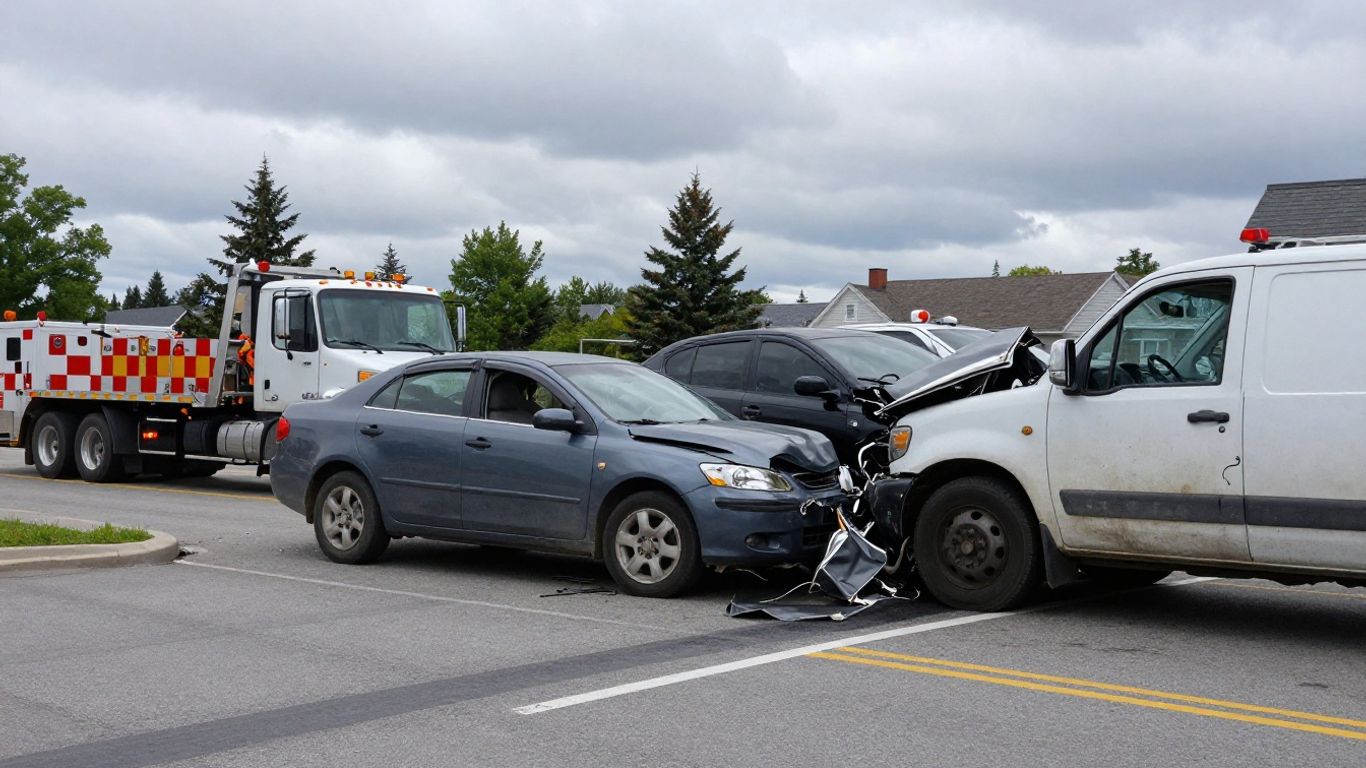
When a car accident leaves you with life-altering injuries, the road ahead can feel overwhelming. You’re dealing with immense physical pain, emotional distress, and often, a future that looks completely different than you imagined. This is where getting the right legal help becomes incredibly important. You need someone in your corner who understands the complexities of catastrophic injury cases and is ready to fight for what you deserve. Trying to handle this on your own, especially while you’re recovering, is just not realistic.
Why You Need Experienced Legal Representation
Catastrophic injury cases are not like typical car accident claims. They involve severe, long-term consequences that require a deep dive into medical records, future care needs, and lost earning potential. An experienced attorney can make a significant difference in the outcome of your case. They know how to deal with insurance adjusters who might try to minimize your claim and can build a strong case to present to a judge or jury if necessary.
Here’s what a good lawyer brings to the table:
- Investigation Skills: They can thoroughly investigate the accident, gather evidence, and identify all potentially liable parties. This might include other drivers, vehicle manufacturers, or even government entities responsible for road maintenance.
- Medical Expertise: Attorneys often work with medical experts to fully understand the extent of your injuries and project future medical costs. This is vital for calculating the true value of your claim.
- Negotiation Prowess: They are skilled negotiators, capable of dealing with insurance companies to secure a fair settlement without the need for a lengthy court battle.
- Trial Experience: If a fair settlement can’t be reached, your lawyer will be prepared to take your case to trial and advocate for you in court.
Dealing with the aftermath of a catastrophic injury is a marathon, not a sprint. It requires patience, persistence, and a clear understanding of the legal process. Having a dedicated legal team can alleviate much of the stress, allowing you to focus on healing.
Pursuing Full and Fair Compensation
Your goal after a catastrophic injury is to recover as much compensation as possible to cover your current and future needs. This isn’t just about medical bills; it’s about regaining as much quality of life as you can. Compensation can include:
- Medical Expenses: All past, present, and future medical treatments, therapies, medications, and necessary equipment.
- Lost Income: Wages lost from the time of the accident, as well as any diminished earning capacity in the future.
- Pain and Suffering: Compensation for the physical pain, emotional distress, and loss of enjoyment of life.
- Rehabilitation Costs: Expenses related to physical therapy, occupational therapy, and vocational retraining.
It’s important to remember that Georgia has a statute of limitations, meaning there’s a deadline to file a lawsuit. In most cases, you have two years from the date of the accident to initiate legal action. Missing this deadline means losing your right to seek compensation. An attorney can help ensure all paperwork is filed correctly and on time, protecting your right to pursue justice for severe injuries like those from head-on collisions.
Calculating the full extent of damages in these cases can be complex. It often involves looking at things like the need for in-home care, modifications to your home, and long-term support services. A skilled lawyer will work diligently to ensure every aspect of your loss is accounted for, aiming for a settlement that truly reflects the life-changing impact of the accident.
Were you in a serious car crash in Duluth? It’s tough dealing with the aftermath, especially when injuries are severe. You need someone on your side to help you get what you deserve. Our team is here to guide you through the process and fight for your rights. Visit our website to learn how we can help you seek justice.
Moving Forward After a Catastrophic Injury
Dealing with a serious injury from a car accident is incredibly tough. It changes everything, and figuring out the next steps can feel overwhelming. Remember, you don’t have to go through this alone. Taking legal action might seem like a lot, but it’s often the best way to get the help you need for recovery and to make sure you’re taken care of long-term. It’s about getting justice and securing your future, especially when someone else’s actions caused so much harm. Don’t wait too long, though; there are deadlines for filing claims, so it’s smart to get advice sooner rather than later.
Frequently Asked Questions
What makes an injury “catastrophic” after a car wreck?
A catastrophic injury is a really bad one that changes your life forever. It means you might not be able to do things you used to, like work, take care of yourself, or even move like before. Think of things like losing a limb, serious burns, or damage to your spine that causes paralysis. These injuries are often permanent and require a lot of care.
What should I do right after a bad car accident in Duluth?
First, make sure everyone is safe and call 911 right away, especially if anyone is hurt. Get medical help even if you feel okay because some injuries don’t show up right away. Then, try to gather information like names, insurance details, and take pictures of the scene and the vehicles. It’s also super important not to talk to the other driver’s insurance company without talking to a lawyer first.
How can a lawyer help me if I have a catastrophic injury?
A lawyer who knows about these serious injuries can be a huge help. They can figure out who was at fault and make sure you get all the money you need for things like medical bills, therapy, lost pay, and even for the pain you’re going through. They deal with the insurance companies so you can focus on getting better. They also make sure you meet deadlines for filing your case.