Getting into a motorcycle vs car accident Duluth can be a really jarring experience. Suddenly, you’re dealing with more than just a damaged vehicle; you’re facing legal questions, especially if you were riding a motorcycle. The rules can feel different, and knowing your rights is super important. This article breaks down some of the key differences you might encounter after a crash involving a motorcycle and a car in Duluth.

  • In Duluth, Georgia, traffic laws treat motorcycles as vehicles, meaning riders and drivers share the road with specific responsibilities. Georgia law, like the three-foot passing rule, aims to protect motorcyclists, but drivers must also be aware of cyclists’ rights.
  • Motorcyclists are much more vulnerable in a crash due to the lack of protective structures found in cars. This often leads to more severe injuries, even in lower-speed collisions, making driver awareness and caution paramount.
  • After a motorcycle vs car accident Duluth, understanding fault is key for seeking compensation. Factors like distracted driving, speeding, improper lane changes, and road hazards can all contribute, and a local lawyer can help sort out the evidence and navigate Georgia’s comparative negligence laws.

Understanding Legal Rights After A Motorcycle vs Car Accident Duluth

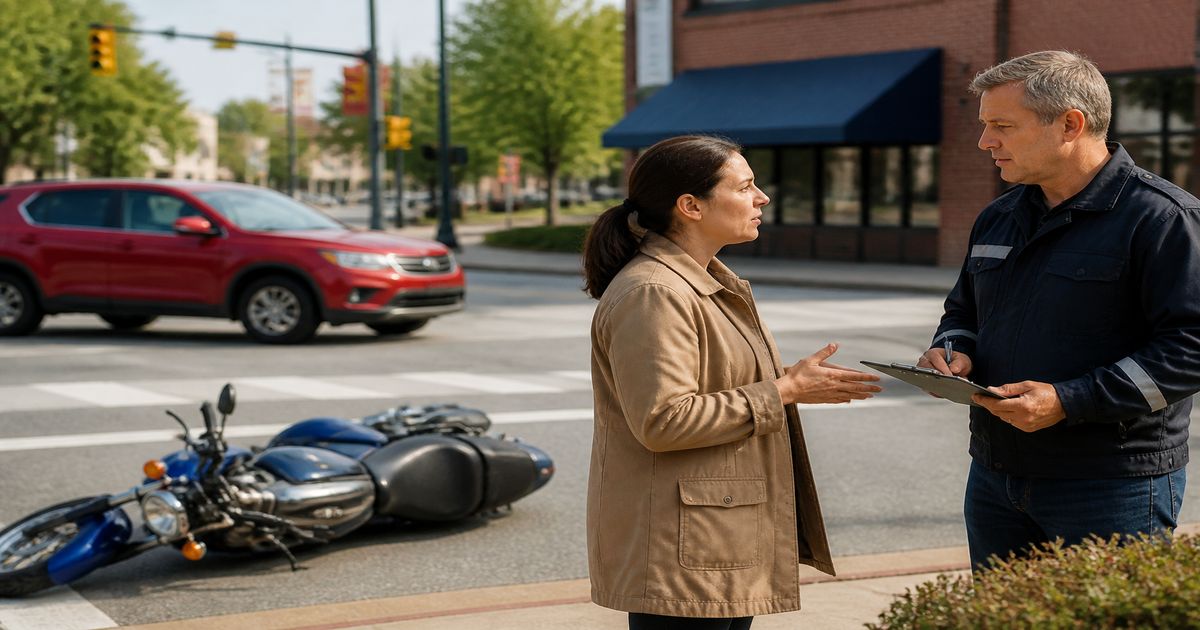
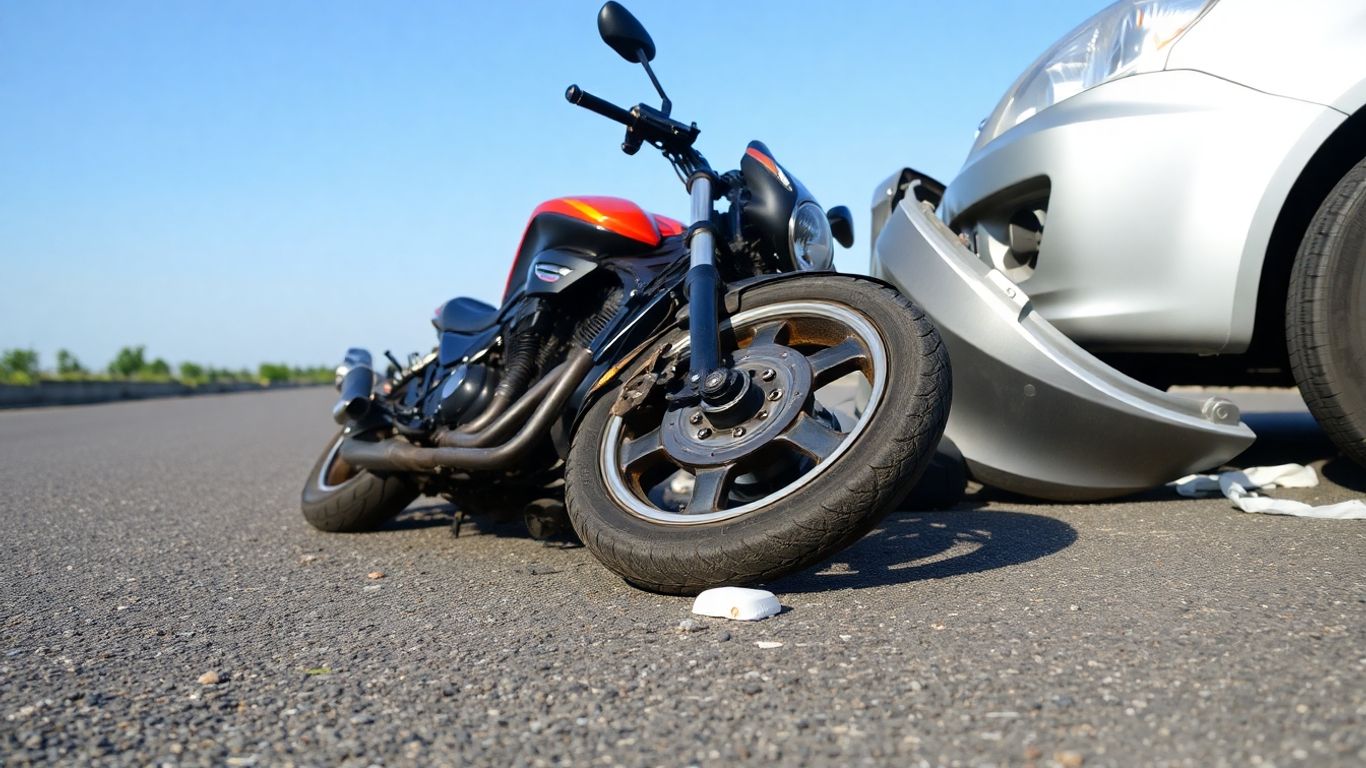
Motorcycle and car after a collision in Duluth.

When you’re involved in an accident in Duluth, whether you’re riding a motorcycle or driving a car, knowing your legal rights is super important. It’s not always straightforward, and things can get complicated fast, especially when comparing motorcycle versus car crashes. The law treats these situations a bit differently, and understanding those differences can make a big impact on how you move forward.

Key Differences in Traffic Laws for Riders and Drivers

Motorcycles and cars operate under the same basic traffic laws, but there are specific considerations for motorcyclists that drivers need to be aware of. For instance, motorcycles are smaller and less visible than cars. This means drivers have a greater responsibility to actively look for them and yield appropriately. Failure to see a motorcycle is often not a valid excuse for causing an accident.

Here are some points to keep in mind:

  • Visibility: Drivers must be extra vigilant for motorcycles, especially when changing lanes or making turns. Motorcycles can be hidden in blind spots.
  • Lane Sharing: In some places, lane splitting (where a motorcycle rides between lanes of traffic) is legal, but it’s not permitted everywhere and can be a point of contention in accidents.
  • Protective Gear: While Georgia law requires helmets for riders under 18 or those with a learner’s permit, wearing one is always recommended. Not wearing a helmet, even if legal for an adult, can be used by insurance companies to argue against full compensation, though it doesn’t absolve the at-fault driver of responsibility.
  • Road Hazards: A pothole or debris that might be a minor inconvenience for a car can be a serious danger for a motorcyclist, potentially leading to a crash. The condition of the road itself can be a factor in determining fault.
The aftermath of any traffic accident can be overwhelming. Dealing with injuries, vehicle damage, and insurance claims all at once is a lot to handle. It’s easy to feel lost in the process, especially when you’re trying to recover physically and emotionally.

Georgia's Approach to Cyclist and Motorist Responsibilities

Georgia law has specific rules that apply to motorcycle accidents. One of the most significant is the state’s modified comparative negligence rule. This means that if you are found to be partially at fault for an accident, you can still recover damages, but your compensation will be reduced by your percentage of fault. However, if you are found to be 50% or more at fault, you cannot recover any damages at all. This is why it’s so important to have a clear picture of what happened.

  • Fault Determination: Insurance adjusters often try to place blame on the motorcyclist to reduce their payout. A lawyer can help counter these arguments by gathering evidence like police reports, witness statements, and photos of the scene. This is where gathering evidence and understanding fault becomes critical.
  • Statute of Limitations: In Georgia, you generally have two years from the date of the accident to file a personal injury lawsuit. However, it’s best not to wait. The sooner you start the process, the easier it is to collect evidence and build a strong case for compensation for medical bills, lost wages, and pain and suffering. A motorcycle accident lawyer can guide you through this timeline.
  • Damages: Compensation can cover a wide range of losses, including medical expenses (past and future), lost income, property damage to your motorcycle, and compensation for pain and suffering. If your injuries are severe, you might also be able to claim for loss of enjoyment of life or disfigurement.

Common Causes and Contributing Factors in Duluth Collisions

When you’re riding a motorcycle or driving a car in Duluth, accidents can happen for a lot of reasons. Some are pretty straightforward, while others are a bit more complex. It’s important to know what often leads to these crashes so you can be more aware on the road.

Driver Negligence and Road Hazards

Lots of collisions boil down to someone not paying attention or not driving safely. Distracted driving is a big one. We’re talking about people texting, fiddling with their phones, or even just eating while they’re behind the wheel. This makes it way harder for them to spot smaller vehicles like motorcycles. Speeding is another major culprit. When drivers go too fast, they have less time to react, and if a crash does happen, it’s usually much worse. This is especially true on roads like U.S. 61, which can get pretty busy.

Left-turn accidents are also a leading cause, particularly at intersections. This is when a driver turns left right in front of an oncoming motorcycle, often because they just didn’t see it or misjudged its speed. It’s a really dangerous situation for riders. Lane changes are another common issue, especially on busy routes like I-35. Drivers might not check their blind spots properly, and a motorcycle can easily get lost there, leading to sideswipes.

Driving under the influence of alcohol or drugs is sadly still a problem. It seriously messes with a driver’s judgment and reaction time, making them a danger to everyone. Even something as simple as a car door opening unexpectedly into a bike lane, known as ‘dooring,’ can cause a serious accident, especially in areas with lots of parked cars.

Beyond driver actions, the condition of the roads themselves plays a role. Potholes, debris, uneven surfaces, or loose gravel can be minor annoyances for cars, but they can be downright dangerous for motorcycles. Poor road maintenance, especially after winter, can leave hazards that riders have to deal with.

Weather conditions in Duluth can also make things tricky. Rain, ice, snow, or even wet leaves can make roads slippery and hard to navigate. While weather is a factor, a driver who doesn’t adjust their speed or driving for the conditions can still be held responsible for an accident.

Vulnerability of Motorcyclists in Accidents

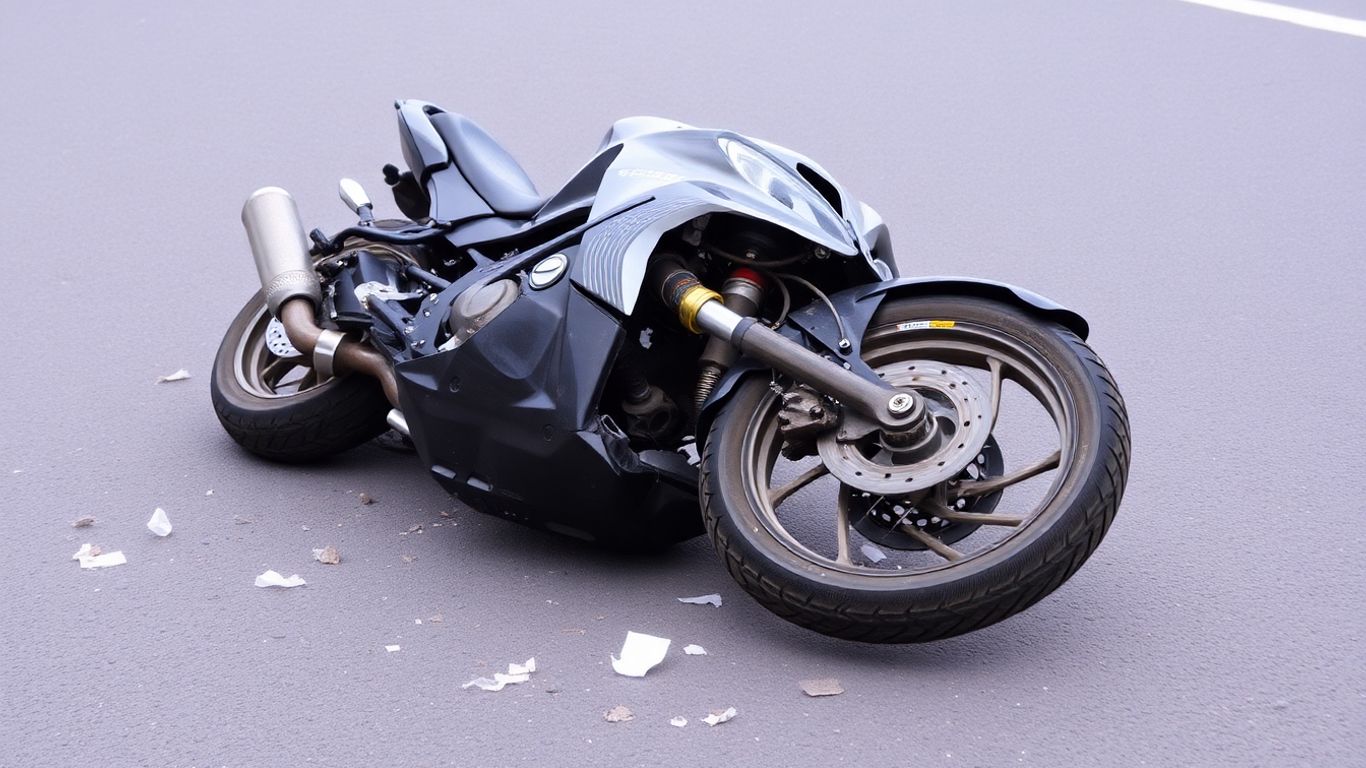
Motorcyclists are just inherently more exposed than people in cars. They don’t have the protective shell of a vehicle, airbags, or seatbelts. This means that even a low-speed collision can throw a rider off their bike, leading to severe injuries.

Here are some common types of injuries motorcyclists face:

  • Head Injuries: Even with helmets, traumatic brain injuries (TBIs) are a serious risk. These can range from concussions to more severe brain damage, often with long-term effects.
  • Road Rash: This is a common injury from sliding on pavement, causing severe skin abrasions.
  • Broken Bones: Fractures are frequent, especially in limbs, and can require extensive surgery and recovery time.
  • Spinal Cord Injuries: These can result from the impact and lead to paralysis.

It’s also worth noting that riders are significantly more likely to die in a crash compared to someone in a car. Statistics show that riders are about 27 times more likely to be killed in an accident. This stark difference highlights why it’s so important for drivers to be extra aware of motorcycles on the road and for riders to take every precaution to stay safe, like wearing proper gear and riding defensively. Understanding the risks involved in motorcycle accidents in Duluth is the first step toward preventing them.

Navigating The Legal Aftermath Of A Duluth Accident

Motorcycle rider and car driver in Duluth.

So, you’ve been in an accident in Duluth, whether on a motorcycle or in a car. It’s a rough situation, and figuring out what comes next legally can feel overwhelming. The first thing to remember is that you have rights, and understanding them is key to getting back on your feet.

Pursuing Compensation After A Motorcycle vs Car Accident Duluth

When it comes to getting compensation, things can differ quite a bit depending on whether you were riding a motorcycle or driving a car. In Minnesota, most car accidents fall under no-fault insurance rules. This means your own insurance usually covers your initial medical bills and lost wages, regardless of who caused the crash. However, motorcyclists are not included in these no-fault rules. This is a big deal because it means if you’re on a motorcycle and get hurt, you can’t automatically rely on that no-fault coverage. You’ll likely need to pursue a claim directly against the at-fault party. This is why understanding Minnesota’s motorcycle accident laws is so important.

Compensation can cover a lot of ground:

  • Medical Bills: This includes everything from ambulance rides and hospital stays to physical therapy and any future treatments you might need.
  • Lost Income: If you can’t work because of your injuries, you can get paid for the wages you’ve missed. If your injuries mean you can’t earn as much in the future, that’s covered too.
  • Property Damage: Your motorcycle, and any other personal items damaged in the crash, can be repaired or replaced.
  • Pain and Suffering: Accidents take a toll, not just physically but emotionally. The law recognizes this, and you can seek compensation for the distress and discomfort you’ve experienced.
The emotional and physical toll of an accident can be immense. It’s not just about the immediate injuries; it’s about how the event impacts your daily life, your ability to enjoy things, and your overall well-being. Recognizing and seeking compensation for these less visible damages is a vital part of the recovery process.

Gathering Evidence and Understanding Fault

Figuring out who’s to blame is a big part of any accident claim. For motorcyclists, this can sometimes be trickier. Drivers might not have seen the motorcycle, or they might try to shift blame. That’s why collecting solid evidence right away is super important. Think about:

  • Photos: Snap pictures of the accident scene, the vehicles involved, and any visible injuries. If there are road hazards or traffic signals, get those too.
  • Witness Information: If anyone saw what happened, get their names and contact details. An outside perspective can be really helpful.
  • Police Reports: The official police report often contains valuable information about the accident and initial findings on fault.
  • Medical Records: Keep detailed records of all your doctor’s visits, treatments, and bills. This documentation is critical for proving the extent of your injuries.

If you were a passenger on a motorcycle and got injured, you also have specific rights to consider, especially regarding no-fault insurance and how it applies differently to motorcycle passengers compared to car occupants.

After a car crash in Duluth, figuring out the next steps can be tough. You might be dealing with injuries, vehicle repairs, and insurance paperwork all at once. It’s important to know your rights and what to do to get the help you need. Don’t go through this alone; we’re here to guide you through the process and fight for the best outcome for your situation. Visit our website today to learn more about how we can assist you after an accident.

Wrapping It Up

So, whether you’re on two wheels or four, knowing the rules of the road in Duluth is a big deal. Accidents happen, and when they do, the legal side of things can get complicated fast. For cyclists, it’s about understanding how Georgia law sees you as a vehicle and what rights you have. For drivers, it’s about being aware of those rights and sharing the road safely. If you find yourself in a tough spot after a crash, talking to someone who knows the local laws, like a personal injury lawyer, can really help clear things up and guide you on what to do next. It’s all about making sure everyone gets treated fairly and stays safe out there.

Frequently Asked Questions

What are the main differences in traffic rules for motorcycle riders and car drivers in Duluth?

In Duluth, like in many places, motorcycles are treated as vehicles. This means riders have to follow the same traffic signals and rules as cars. Drivers, in turn, need to respect their right to be on the road. A key rule is the ‘three-foot passing’ law, requiring drivers to give at least three feet of space when passing a cyclist. Also, remember that bikes need lights and reflectors at night, and younger riders might need helmets.

What are common reasons motorcycle accidents happen in Duluth?

Many motorcycle accidents in Duluth happen because drivers aren’t careful. Things like distracted driving (texting or eating), speeding, and not checking blind spots before changing lanes are big problems. Left-turn accidents, where a car turns in front of a motorcycle, are also very common and dangerous. Bad road conditions like potholes or debris can also cause crashes, especially for smaller bikes.

If I'm in a motorcycle accident in Duluth, what should I do right away?

After an accident, your first step is to call 911. Make sure to get checked out by a doctor, even if you feel okay at first, because some injuries don’t show up right away. Try to get photos of the scene and find any witnesses. It’s also important not to admit fault to the insurance company. Talking to a lawyer who knows about motorcycle accidents in Duluth can help you understand your rights and what to do next.