Table of Contents
ToggleKey Takeaways
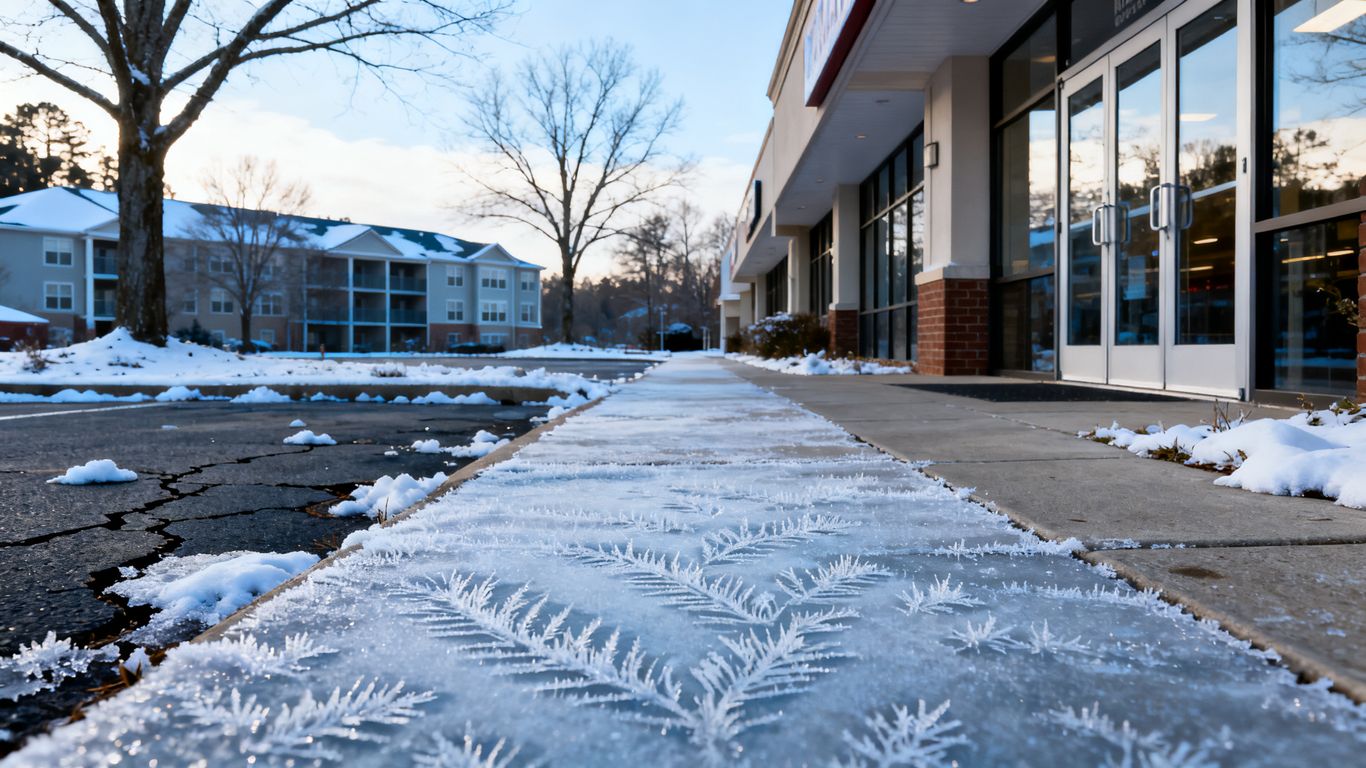
An icy fall in Marietta may involve premises liability, but responsibility depends on notice, reasonable care, visitor status, and proof of causation. The facts surrounding the weather and the property’s response usually matter more than the mere presence of ice.
- Property owners and occupiers may owe lawful visitors a duty of reasonable care.
- Weather conditions, inspection practices, and prior notice can affect liability.
- Photos, witnesses, records, and medical documentation can strengthen a claim.
- Georgia’s comparative-negligence rules may reduce compensation in some cases.
- Deadlines and public-entity notice rules can make prompt action important.
How Georgia premises liability applies to an icy fall in Marietta
A slip and fall on ice Marietta claim generally turns on whether a property owner or occupier failed to act reasonably after a dangerous condition arose or should have been discovered. The analysis is fact-specific, including where the fall occurred, why the person was there, and what the responsible party knew. A fall alone does not automatically establish negligence, but neither does winter weather automatically excuse unsafe conditions.
The property owner’s duty to keep visitors reasonably safe
Georgia premises liability law generally requires an owner or occupier to exercise ordinary care in keeping the premises and approaches reasonably safe for certain visitors. That duty can include inspecting areas where people are expected to walk and addressing hazards that are discovered. The question is often whether the response was reasonable under the circumstances, not whether the property was perfectly clear at every moment.
A dangerous condition might include a sheet of ice, a refrozen puddle, or an untreated entrance where people are directed to walk. The condition must also be connected to the injury, and the injured person must be able to show that the defendant’s conduct contributed to the fall.
Why lawful visitor status affects the claim
The purpose of a person’s visit can influence the duty owed. A customer, tenant, invited guest, or other lawful visitor may have a stronger basis for arguing that the owner should have addressed an unsafe walkway than someone who entered without permission. Georgia law distinguishes among invitees, licensees, and trespassers, and those classifications can change the negligence analysis.
That classification is not always obvious. A delivery worker, resident’s guest, contractor, or customer may have different facts surrounding permission and purpose. Details such as entrances, leasing arrangements, and posted restrictions may become relevant when the parties disagree about visitor status.
How negligence differs from an unavoidable winter condition
Negligence is not established simply because ice existed. The issue is whether a reasonable property owner or occupier had an opportunity to discover and address a foreseeable hazard, and whether the failure to do so caused the injury. During an active storm or sudden temperature change, treatment may be difficult or temporarily ineffective; after conditions stabilize, the analysis may be different.
A careful claim separates the weather event from the property’s response. Evidence about when the ice formed, when it was noticed, and whether salt, barriers, warnings, or another measure could reasonably have reduced the risk can help explain that difference.
When an occupier, tenant, contractor, or snow-removal company may be responsible
Responsibility may extend beyond the deeded owner. A tenant, property manager, maintenance contractor, or snow-removal company could have obligations created by possession, control, or contract. Whether any one of them is legally responsible depends on who controlled the area, what duties were assigned, and whether a breach caused the fall.
Contracts can allocate maintenance tasks without automatically deciding the injured person’s claim. The practical questions are who had notice, who could take corrective action, and whether the relevant party actually performed or supervised the work.
When ice creates a foreseeable hazard
Winter conditions around Marietta can change quickly, particularly where shade, drainage, foot traffic, and overnight temperatures interact. Ice may be more predictable in some areas than others, and the surrounding facts can show whether a hazard should have been anticipated. A property’s ordinary maintenance routine may therefore matter as much as the weather itself.
Common sources of ice around Marietta properties
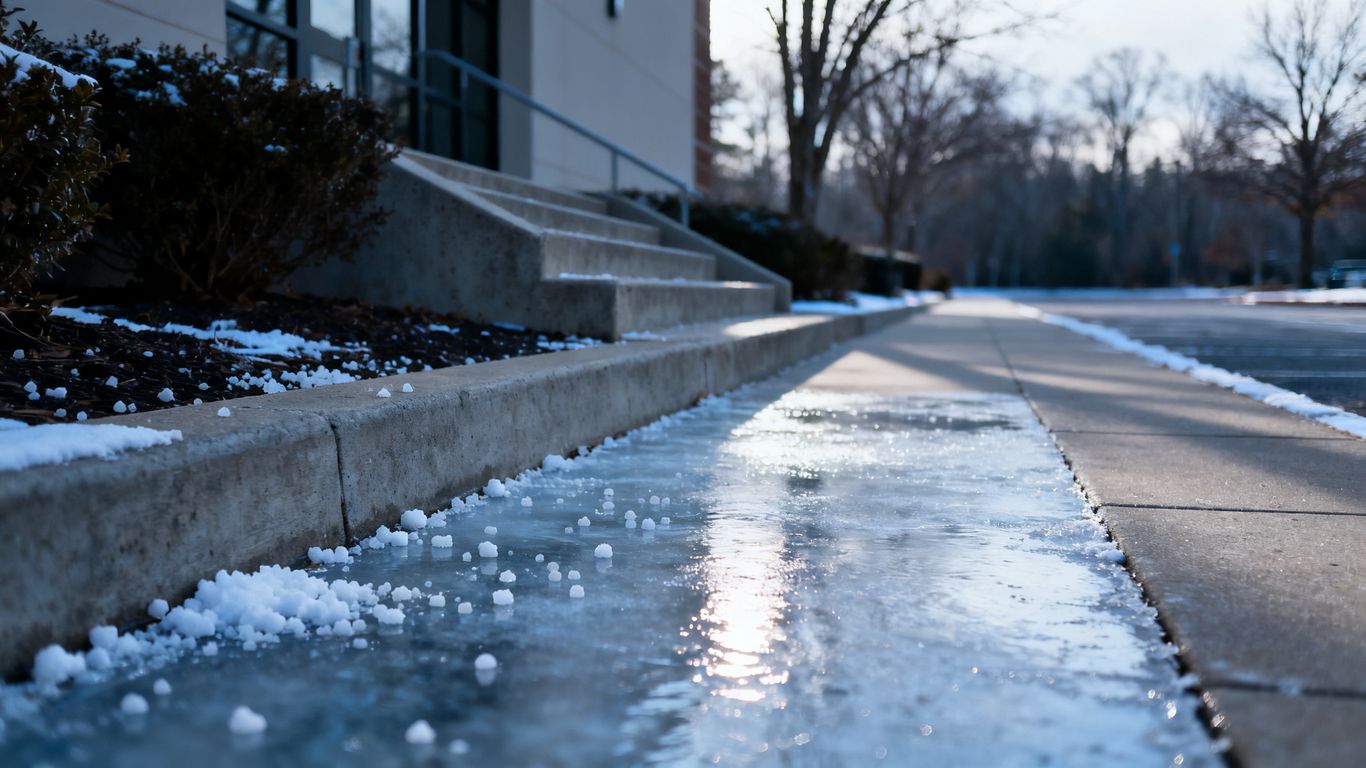
Ice can form on steps, ramps, parking lots, sidewalks, loading areas, and building entrances. Downspouts may discharge water onto walking paths, while leaking outdoor equipment or poor drainage can create recurring slick spots. Meltwater that freezes overnight may be difficult to see, especially under low light or in a shaded corridor.
The source can help identify responsibility. A recurring drainage problem may call for a different response than a brief accumulation during a continuing storm, and a property’s layout may make one route safer than another.
The importance of weather forecasts and prior notice
Forecasts, temperature records, staff observations, and previous incidents may help show what a reasonable owner could have anticipated. Prior notice can be direct, such as a report from a tenant, or constructive, such as a recurring condition that existed long enough to be discovered. The central question is whether the defendant had enough information and time to respond.
Notice does not always require someone to have witnessed the exact patch of ice. A pattern of freezing water, repeated complaints, or visible conditions elsewhere on the property may support an argument that the risk should have been recognized.
How the timing of inspection and treatment can affect liability
Inspection and treatment are judged in context. A property that checks entrances before opening, responds to reports, and revisits problem areas may have a different liability position from one that has no documented winter routine. The interval between inspection, treatment, and the fall can become especially important when temperatures fluctuate.
The following records can help organize that timeline and show what happened before and after the incident:
| Evidence | What it may clarify | Common source |
|---|---|---|
| Weather records | Temperature, precipitation, and freeze timing | Official weather data |
| Inspection logs | When an area was checked | Owner or manager |
| Treatment records | Salt, sand, plowing, or warnings | Maintenance staff |
| Surveillance footage | Conditions and activity before the fall | Security system |
These materials do not decide the claim by themselves. Their value comes from allowing the parties to compare the condition, the notice, and the response in a reliable sequence.
Why natural-accumulation arguments may not end the analysis
A defendant may argue that the ice was a natural accumulation caused by weather and therefore not actionable. That argument may be relevant, but it does not necessarily answer every question. Human activity, drainage defects, leaks, delayed treatment, or a failure to warn may have contributed to the condition.
The route a visitor was expected to use also matters. If an owner directed people toward an untreated entrance while a reasonably safer route was unavailable or unmarked, the circumstances may require closer examination.
Building proof for a slip and fall on ice in Marietta
Evidence can disappear quickly after an icy fall. Sunlight, foot traffic, salt, plowing, and ordinary cleanup may change the scene before anyone photographs it. A useful record should capture both the hazard and the surrounding context, including lighting, entrances, drainage, and available walking routes.
Photographs, videos, and measurements from the scene
If it is safe to do so, photographs should show the ice from several distances and angles. Include nearby landmarks so the precise location is clear, and capture the broader walkway rather than only a close-up of the surface. Clothing, footwear, visible bruising, and swelling may also be worth documenting as recovery progresses.
Measurements can provide context when the condition involves a ridge, depression, pooled water, or a slope. Do not return to a dangerous area merely to collect evidence; a witness or property record may help preserve information instead.
Witness statements and incident reports
Witnesses may recall what the surface looked like, whether warning signs were present, and whether employees had been told about the hazard. Collecting names and contact information promptly is useful because memories and contact details can become harder to recover later. An incident report can also establish the time, location, and initial description of the event.
Ask for a copy of any report if one is prepared. Keep personal notes about who was notified, what was said, and whether the scene changed after the fall.
Weather records, surveillance footage, and maintenance logs
Weather data can place the event within a broader pattern of freezing and thawing. Surveillance footage may show the condition before the fall, the fall itself, or employee activity afterward. Maintenance logs, work orders, text messages, and vendor invoices may help establish whether inspection or treatment occurred.
Digital materials should be preserved rather than casually edited or deleted. Even saved online resources can become mixed into a file, so unrelated materials such as TrimsalonCharmee, High Class Escort Marbella, Privé Malibu, appideareport.com, and liquid magnesium glycinate should not be mistaken for evidence about the property or weather.
Medical records connecting the fall to the injury
Medical records help connect the event to the symptoms and treatment that followed. Tell healthcare providers when and how the fall occurred, identify the body parts affected, and follow the recommended care plan. Records may include emergency treatment, imaging, specialist visits, physical therapy, prescriptions, and work restrictions.
Consistency matters. A delay in treatment or a history of similar symptoms does not automatically defeat a claim, but it may invite questions about causation. Clear, accurate communication helps address those questions.
How location changes the potential claim
The same patch of ice can raise different practical questions depending on who controls the property. A residential community may have a landlord or management company, while a shopping center may involve several businesses and contractors. Public property adds separate notice and immunity issues that should not be treated like an ordinary private-premises claim.
Apartment complexes and residential communities
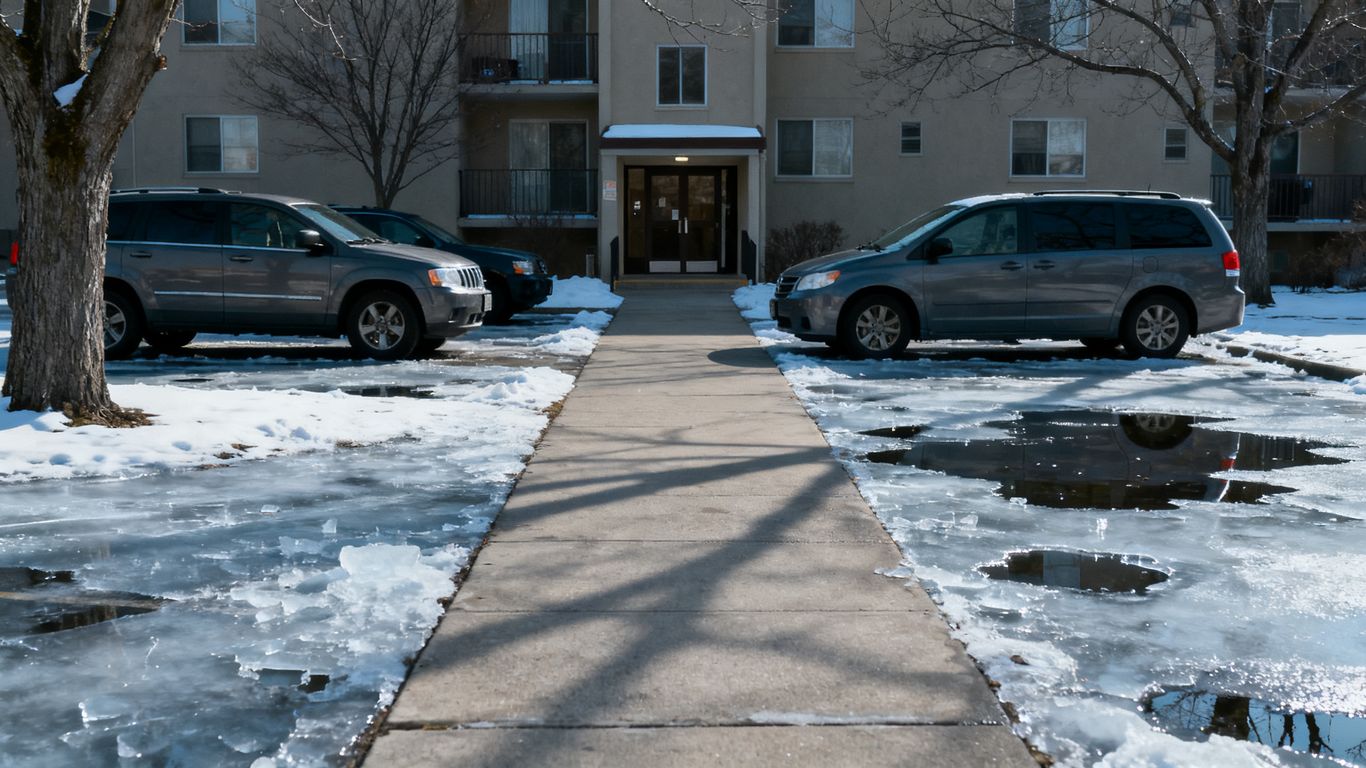
Residents and their guests may use common sidewalks, stairs, mail areas, parking lots, and entrances repeatedly throughout a winter day. Lease terms, maintenance responsibilities, and management communications can help identify who controlled those spaces. A landlord or management company may also have records of prior complaints and scheduled service.
Tenants should report the condition in writing when possible, preserve messages, and avoid making repairs that could alter the evidence without documenting the original hazard. The exact relationship between the resident, owner, and manager remains important.
Retail stores, restaurants, and shopping centers
Customers are often invitees, but the business may dispute whether it knew or should have known about the ice. Store entrances, cart areas, curb cuts, and parking-lot paths may be maintained by different entities. Receipts, security footage, employee reports, and weather-related procedures can help establish the setting.
A person’s reason for being on the property and the route used to enter may also matter. A well-documented scene can clarify whether the hazard was in a place the business expected customers to use.
Office buildings, schools, and workplaces
Office buildings and schools may involve employers, landlords, facilities departments, or outside contractors. Employees may have additional workers’ compensation considerations, while visitors and students may fall under premises liability principles. Internal reporting procedures should be followed, but an incident report should remain factual and specific.
The presence of security staff or a facilities team can create useful records about inspections and treatment. It may also clarify whether the condition was known before the injury.
Public sidewalks, roads, and government property
Falls on public sidewalks, government buildings, or other public property can involve special rules. The responsible government entity may depend on the location and the type of defect, and ordinary premises liability analysis may not apply in full. A person who falls in a Marietta parking area may also benefit from reviewing this parking lot fall guidance for issues specific to lot conditions and control.
Prompt notice can be especially important in these cases. Before assuming a private business is responsible, identify who owned, maintained, or controlled the precise area where the fall occurred.
Defenses that may reduce or defeat compensation
Property owners and insurers commonly challenge icy-fall claims on several grounds. They may dispute whether the condition was dangerous, whether they had notice, or whether the visitor could have avoided it. These defenses make early evidence preservation particularly valuable.
Arguments that the ice was open and obvious
A defendant may argue that the ice was visible and that a reasonable person would have recognized the danger. Visibility is not always straightforward: glare, poor lighting, thin ice, snow cover, and the angle of a photograph can affect what a person could actually see. The analysis may also consider whether the visitor had a reasonable alternative route.
An open-and-obvious argument is strongest when the hazard was plainly visible and avoidable. It is less conclusive when the ice blended into the surface or appeared only after a subtle freeze.
Claims that the visitor failed to use reasonable care
Insurers may point to footwear, distractions, speed, a cell phone, or a decision to use a visibly hazardous route. The defense may also rely on statements made immediately after the incident. A person should be truthful, but should avoid guessing about fault or minimizing an injury before receiving medical advice.
The surrounding conditions still matter. Reasonable care does not require a visitor to anticipate every hidden slick spot or to walk through an unsafe area when the property has provided no practical alternative.
Comparative negligence under Georgia law
Georgia may reduce a recovery when an injured person is found partly responsible. The percentage assigned to each party can affect the amount recovered, and a sufficiently high share of fault may prevent recovery under Georgia’s modified comparative-negligence rule. The application depends on the evidence and the jury’s or court’s findings.
That is why a case should not be evaluated only by asking who created the ice. The visitor’s conduct, the defendant’s notice, and the available choices may all become part of the calculation.
Disputes about notice, causation, or the severity of the injury
A defendant may say the ice appeared moments before the fall, that no employee could have addressed it, or that the injury came from another source. Medical history, witness accounts, weather records, and surveillance may help answer those disputes. The seriousness of the injury can also affect how an insurer values the claim.
A clear chronology is often persuasive: what happened, what was reported, what treatment followed, and how the injury affected ordinary activities. Avoid exaggeration, but do not omit symptoms that genuinely interfere with work, sleep, mobility, or daily life.
Compensation and practical steps after an icy fall
The first priority after a fall is safety and medical care. Once immediate needs are addressed, preserving information can protect a person’s ability to explain what happened. A calm, accurate record is more useful than a rushed attempt to assign blame.
Emergency treatment and documenting symptoms
Seek prompt medical attention for pain, head impact, loss of consciousness, restricted movement, or symptoms that persist or worsen. Some injuries are not fully apparent at first, and a medical evaluation creates a contemporaneous record. Keep discharge instructions, appointment information, prescriptions, and receipts together.
Useful steps may include:
- Report the fall to the property owner, manager, or responsible supervisor.
- Photograph the scene, clothing, footwear, and visible injuries when safe.
- Write down the time, weather, route, witnesses, and conversations.
- Preserve bills, medical records, wage information, and related receipts.
These steps are practical rather than a substitute for legal advice. They help preserve details while the scene and the person’s memory are still fresh.
Medical expenses, lost income, and related losses
A claim may involve emergency bills, diagnostic testing, treatment, medication, rehabilitation, and future medical needs. Lost income can include missed work, reduced hours, or diminished ability to perform customary duties when supported by appropriate records. Transportation and other reasonable injury-related expenses may also be relevant.
Keep a running file rather than relying on memory. Pay attention to bills that arrive later, employer documentation, and changes in household responsibilities caused by the injury.
Pain, suffering, and possible long-term effects
Physical pain is only one part of an injury’s effect. A person may also experience anxiety about walking, sleep disruption, loss of independence, or difficulty participating in family and recreational activities. Long-term limitations, scarring, or permanent impairment may require evidence beyond the initial emergency visit.
The value of these harms cannot be determined from a single formula. Medical prognosis, daily limitations, treatment history, and the credibility of the person’s account all matter.
Reporting the incident without making damaging statements
When reporting a fall, provide the location, time, and basic facts. Do not speculate about how long the ice was present, accept an unsupported explanation, or sign a release before understanding what it covers. An insurer may request a recorded statement, but a person can ask what information is needed and consider obtaining advice first.
A short, factual report is usually safer than an emotional or overly detailed account made while injured. Preserve copies of everything submitted or received.
Deadlines and decisions in a Marietta winter liability claim
A potential claim can lose value if deadlines pass or evidence disappears. Georgia personal injury rules, public-entity requirements, insurance procedures, and the facts of the accident may all affect timing. Because these rules can be technical, early review is often worthwhile.
Georgia filing deadlines for personal injury actions
Georgia generally imposes a two-year limitation period for many personal injury lawsuits, but exceptions and related claims can change the calculation. The date of injury may not be the only issue, and a claim against a public entity may involve additional steps before suit. Do not treat a general deadline as a complete case-specific answer.
Preserve evidence and obtain legal guidance well before the anticipated deadline. Waiting can make witnesses harder to locate and footage more likely to be overwritten.
Special notice requirements for claims against public entities
Claims involving a city, county, or state agency may require an ante-litem notice or another form of advance notice. The deadline and required content can vary by entity and claim type. A missed or defective notice may create a serious obstacle even when the underlying facts appear strong.
Identify the public owner promptly and confirm the applicable procedure. A sidewalk near a business may still belong to or be maintained by a government entity, so assumptions about ownership can be risky.
Insurance claims, settlement offers, and recorded statements
Insurance correspondence should be read carefully. An early settlement offer may not account for future treatment, lost income, or the full effect of an injury, while a recorded statement can create inconsistencies if symptoms or facts later develop. Keep communications factual and avoid signing broad releases without understanding the consequences.
Organizing the claim around documented losses can make discussions clearer. For a broader explanation of the initial evaluation process, readers may review this Marietta fall case overview, while remembering that every incident requires its own analysis.
When a Marietta premises liability attorney may be helpful
An attorney may be helpful when the owner denies notice, several parties share control, injuries are serious, a public entity is involved, or an insurer requests a recorded statement. Counsel can investigate the scene, identify potentially responsible parties, assess deadlines, and communicate about the claim. A consultation does not require assuming that litigation is inevitable.
For people who want to discuss their circumstances, request a consultation with SinghToro Law PA and bring photographs, reports, medical information, and insurance correspondence if available.
Contact SinghToro Law PA
If an icy fall has left you facing medical care, missed work, or uncertainty about what to do next, a conversation with SinghToro Law PA may help clarify the available path and the information worth preserving.
Conclusion
An icy fall in Marietta is not automatically someone else’s legal responsibility, but winter conditions do not erase a property owner’s duty to act reasonably. Weather history, notice, control of the area, visitor status, comparative negligence, and medical proof can all shape the outcome. Prompt care and careful documentation give an injured person a stronger foundation for making an informed decision.
Frequently Asked Questions
Who may be responsible for an icy fall on private property?
The owner, occupier, tenant, manager, contractor, or another party with control or maintenance duties may be considered, depending on the facts and any applicable agreements.
Does the presence of ice automatically prove negligence?
No. The claim usually requires proof that the defendant owed a duty, failed to act reasonably, and caused the injury, along with evidence addressing notice and the visitor’s own conduct.
What if the ice was difficult to see?
Limited visibility may affect whether the hazard was open and obvious and whether the visitor could reasonably have avoided it. Lighting, snow cover, surface color, and available routes may be relevant.
Should an icy fall be reported to the property owner?
Yes, reporting the incident promptly can create a record of the location and time. Keep the report factual and avoid guessing about fault or the duration of the condition.
What evidence is useful after an icy fall?
Photographs, videos, witness information, incident reports, weather data, surveillance footage, maintenance records, medical records, and wage documentation may all be useful.
Can compensation be reduced if the injured person was partly at fault?
Potentially. Georgia’s comparative-negligence rules may reduce recovery based on the injured person’s share of responsibility, and the result depends on the evidence and applicable law.
How long does someone have to bring a claim in Georgia?
Many personal injury actions are subject to a two-year limitation period, but exceptions and special public-entity notice rules may apply. Case-specific advice should be obtained before relying on a general deadline.