August 17, 2026
law
· By Vishay Singh
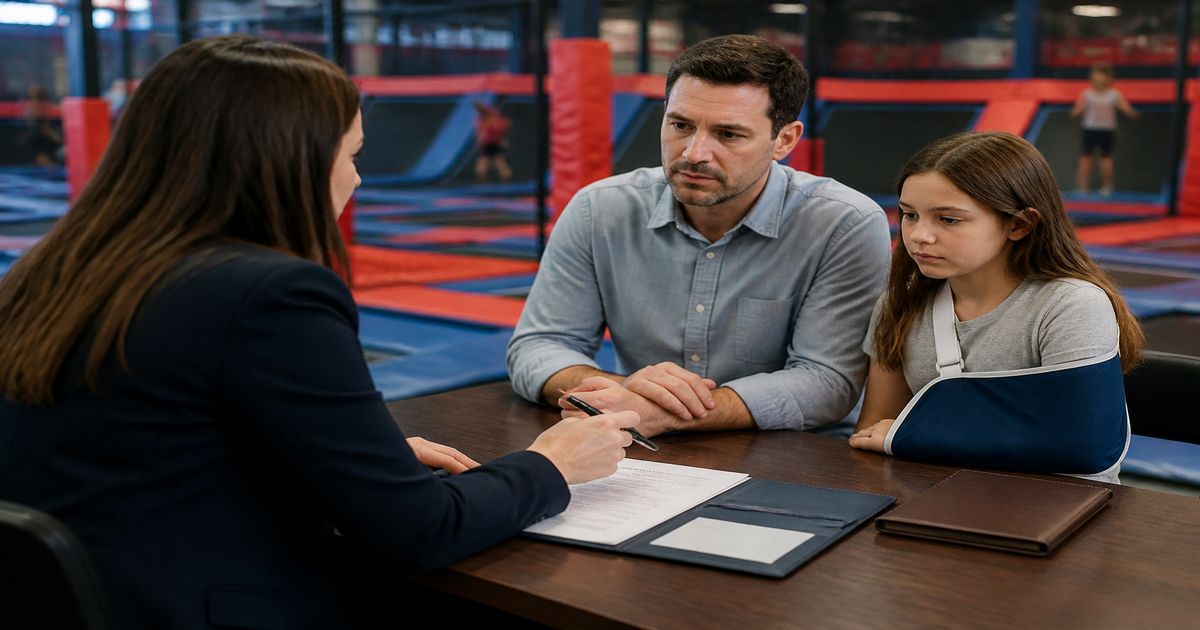
Bouncing around on a trampoline can be a blast, right? Whether it’s in your backyard or at a big indoor park, it’s a popular way to have fun. But sometimes, things go wrong, and people get hurt. When that happens, you might wonder what your options are, especially when it comes to covering medical bills and other costs. This article dives into how much a trampoline injury case might be worth and what goes into figuring that out.
Table of Contents
So, you’ve had an injury at a trampoline park. Now what? Figuring out what a case like this is actually worth can feel like a puzzle. It’s not just a simple number; a lot of different things play a role in how much a settlement might be. The seriousness of your injuries is usually the biggest piece of the puzzle.
Several key factors go into determining the potential value of a trampoline park injury claim. Think of it like building something – you need all the right parts.
The value of a trampoline injury case isn’t just about the immediate medical bills. It also has to account for the long-term effects on your life, both physically and emotionally. It’s about compensating for what you’ve lost and what you’ll continue to face.
These are the costs that have a clear dollar amount attached to them. They’re the financial losses you can point to.
These are a bit harder to put a price tag on because they deal with the less tangible aspects of your suffering. They’re about the pain and the emotional toll.
Most of the time, cases like these end up settling before they ever go to a full trial. Both sides usually want to avoid the stress, cost, and uncertainty of a courtroom battle. It’s often more practical to reach an agreement.
When someone gets hurt at a trampoline park, figuring out who’s actually at fault is the first big step. It’s not always as simple as pointing a finger at the park itself. Sometimes, it could be the people who made the equipment, or even how the park was set up. Pinpointing the responsible party is key to getting any compensation for your injuries.
Several different people or companies could end up being responsible if you get hurt. It really depends on what went wrong.
Negligence is a big word in injury cases. Basically, it means someone failed to act with reasonable care, and that failure led to your injury. For a trampoline park, this could look like a few things:
Proving negligence means showing that the park knew, or should have known, about a dangerous condition or practice, and they didn’t do anything reasonable to fix it before someone got hurt. It’s about showing they dropped the ball on their duty to keep customers safe.
Both the park owners and the manufacturers have specific duties. Owners are responsible for the premises – the actual park itself. They need to make sure the equipment is safe to use, that there are enough supervisors, and that the environment isn’t dangerous. This includes regular checks and quick repairs.
Manufacturers, on the other hand, are responsible for the product. They need to design and build trampolines and related equipment that are reasonably safe when used as intended. If they cut corners and create a defective product that causes injury, they can be held liable for product liability. It’s important to figure out if the problem was with the design, the manufacturing process, or if it happened because the owner didn’t maintain the equipment properly.
Trampoline parks are supposed to be fun, right? But sometimes, things go wrong, and people get hurt. It’s not just little bumps and bruises either. We’re talking about injuries that can really mess up someone’s day, or even their life. The most frequent issues usually involve broken bones, especially in the arms and legs. This often happens from landing funny or getting tangled up with someone else. Sprains and strains are also super common, usually from twisting an ankle or overextending a joint. Then there are the head and neck injuries. These can range from a bad concussion to much more serious spinal cord damage, which is pretty scary to think about.
While some injuries might just mean a cast and some physical therapy, others can have effects that last a lifetime. A broken bone might heal okay, but what if it doesn’t heal straight? That could lead to ongoing pain or a permanent limp. A concussion, even if it seems minor at first, can sometimes lead to persistent headaches, memory problems, or difficulty concentrating. These aren’t just temporary inconveniences; they can affect someone’s ability to work, go to school, or just enjoy everyday life. The impact goes beyond the physical, too. Dealing with chronic pain or disability can take a huge toll on a person’s mental health and relationships.
Then there are the really severe, life-altering injuries. We’re talking about things like paralysis from a spinal cord injury or severe traumatic brain injuries. These kinds of injuries are devastating, not just for the person who suffered them but for their entire family. The medical bills alone can be astronomical, covering surgeries, long-term care, specialized equipment, and ongoing therapy. Beyond the medical costs, there’s the loss of income, the need for home modifications, and the immense pain and suffering. Because the impact of these injuries is so profound and long-lasting, settlement values in these cases can be very high. They reflect the full extent of the victim’s losses and the need for lifelong care and support.
When you’re looking at a trampoline park injury case, the type and severity of the injury are huge factors in determining its value. A simple sprain is one thing, but a spinal cord injury is something else entirely. The medical records, doctor’s opinions, and the long-term outlook for the injured person all play a big part in how much a case might be worth. It’s not just about the immediate medical bills; it’s about everything that injury will mean for the rest of their life.
When someone gets hurt at a trampoline park, the park owners might try to get out of paying for the damages. They often have a couple of go-to arguments they’ll use. One is the idea that you knew the risks involved when you decided to jump around. Another is that you signed a waiver before you even started, agreeing not to sue them.
This defense basically says that certain activities are just plain risky, and if you choose to do them, you’re accepting the chance of getting hurt. Think of things like skiing or football – you know there’s a good chance you could get injured. Trampoline parks sometimes argue that jumping on trampolines falls into this category. They might say that anyone using their facilities should understand that injuries can happen and that they shouldn’t hold the park responsible if they do. However, this defense is often weaker when it comes to children, as they might not fully grasp the risks involved. It’s also less effective if the injury wasn’t from a normal risk of jumping but from something the park should have controlled, like faulty equipment.
Most trampoline parks will have you sign a waiver before you can jump. These documents are designed to protect the business from lawsuits. A waiver can protect a trampoline park from claims of ordinary negligence, like minor staff mistakes. But here’s the thing: these waivers aren’t always ironclad. Courts often look closely at them, especially if the injury was serious. A waiver might not hold up if it’s poorly written, if the park was really careless, or if it tries to waive responsibility for things that are against public policy. For example, a waiver usually won’t shield the business from liability for more serious issues, like gross negligence or intentional harm.
Even if you sign a waiver, there are situations where you might still be able to sue. For instance, if a parent signs a waiver on behalf of a child, many states say that doesn’t legally prevent the child from suing if they get hurt due to the park’s negligence. Also, if the park’s actions go way beyond simple carelessness – like knowingly ignoring safety rules or having incredibly dangerous equipment – a waiver might not be a valid defense. It really depends on the specific wording of the waiver and the laws in your state. Proving that the park was negligent, despite the waiver, is key. This often involves showing that they failed to meet safety standards or properly maintain their equipment.
Here’s a look at common issues that can affect waiver enforceability:
Trampoline parks have a duty to provide a reasonably safe environment for their customers. While waivers and assumption of risk arguments are common defenses, they don’t give parks a free pass to be unsafe. If a park’s negligence leads to an injury, especially one that wasn’t an inherent risk of jumping, there’s often a path to compensation, even with a signed waiver.
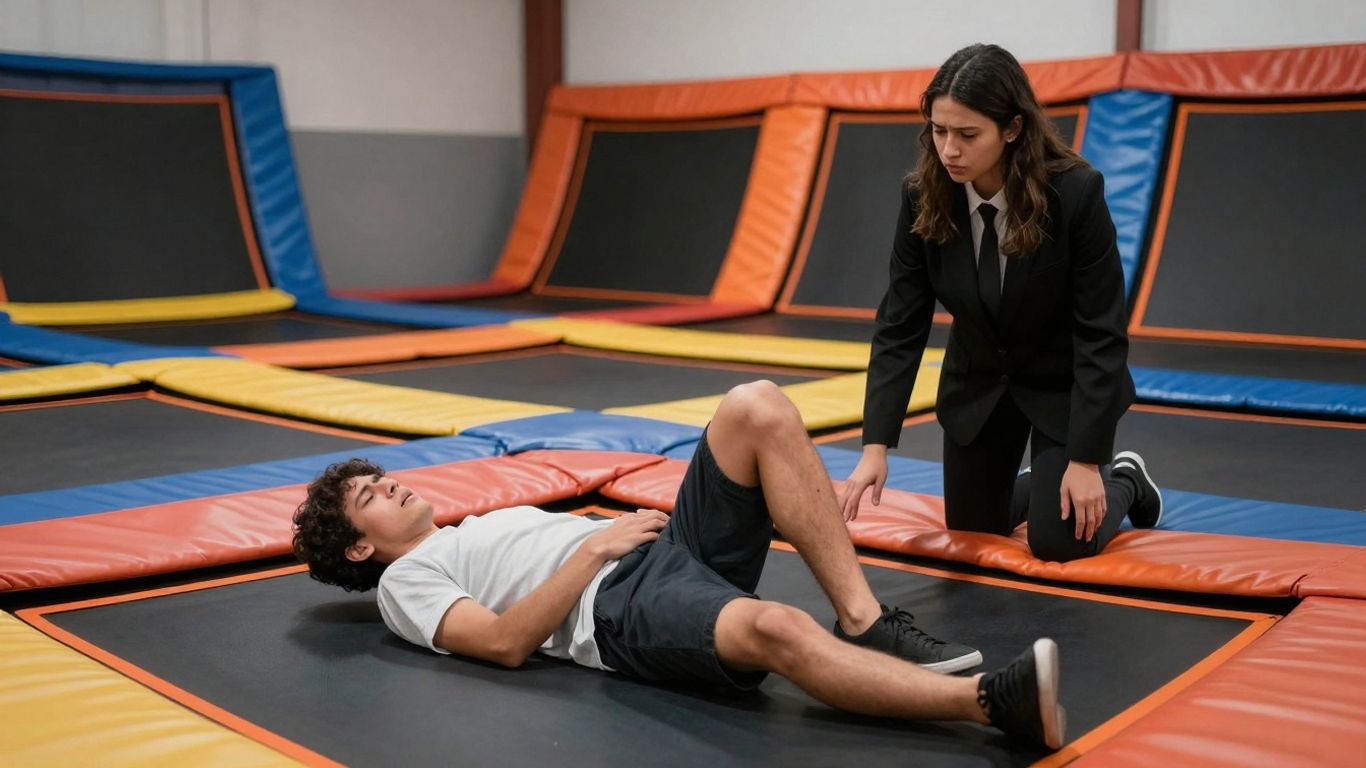
So, you or your kid got hurt at a trampoline park. It happens, unfortunately. Now what? If you’re looking to get a fair settlement, you can’t just sit back and wait. You’ve got to be proactive. Taking the right steps right after the incident and throughout the process can make a big difference in the outcome of your case. It’s about building a solid foundation for your claim.
What you do in the first few hours after an injury can really set the tone for everything that follows. Don’t just brush it off, even if it seems minor at first. Your health and your legal rights are on the line.
Evidence is the backbone of any injury claim. Without it, it’s hard to prove what happened and how serious it was. Think of yourself as a detective for your own case.
Trying to handle a serious injury claim on your own can be overwhelming. Trampoline park cases often involve complex legal issues, like waivers and liability. Getting professional help early on is a smart move.
Consulting with a personal injury lawyer soon after your injury is highly recommended. An experienced attorney can guide you through the evidence-gathering process, help you understand your legal options, and deal with insurance adjusters who may try to minimize your claim. They know the tactics used and how to counter them.
Remember, the sooner you get legal advice, the better your chances of protecting your rights and getting the settlement you deserve. Don’t delay – your future well-being could depend on it.
Most trampoline park injury cases don’t end up in a courtroom. Instead, they get settled. This usually happens because both sides want to avoid the stress, cost, and uncertainty of a trial. It’s a way to wrap things up and move on. The amount a case settles for really depends on a lot of things, like how bad the injury is, who was at fault, and what kind of evidence you have. It’s not a one-size-fits-all situation.
While every case is unique, looking at past settlements and verdicts can give you an idea of what’s possible. These numbers can be pretty eye-opening, especially when serious injuries are involved. For instance, there have been settlements in the millions for severe injuries like traumatic brain injuries or multiple fractures. On the lower end, smaller settlements might cover medical bills and some pain and suffering for less severe incidents.
Here are a few examples of outcomes from trampoline-related incidents:
These higher amounts often involve clear negligence or major safety failures. Keep in mind, these are just examples, and your specific situation could lead to a different outcome.
Settlement is the most common way these cases conclude. It’s often the most practical route for everyone involved. Think about it: trials are expensive, time-consuming, and the outcome is never guaranteed. Settling allows for a more predictable resolution and can be much less draining emotionally.
Settling a claim means both parties agree on a compensation amount without a judge or jury making the final decision. This avoids the unpredictability and high costs associated with going to trial, making it a preferred option for many seeking resolution after an injury.
Curious about what happens after a trampoline accident? Our "Trampoline Injury Settlement Outcomes and Examples" section dives into real-life cases. We break down how these situations were resolved and what factors played a role. Understanding these outcomes can help you know what to expect if you or someone you know has been injured. For more details on how we can help you navigate these complex cases, visit our website today.
So, how much is a trampoline park injury case really worth? The truth is, there’s no single dollar amount that fits every situation. It really boils down to the specifics of what happened, how bad the injuries are, and what kind of losses you’ve faced. We’ve seen cases where people get a lot of money, especially when the injuries are severe and the park messed up on safety. But remember, many of these cases end up settled out of court. It’s usually less stressful and costly for everyone involved. If you or someone you know got hurt at a trampoline park, it’s a good idea to talk to a lawyer. They can help you figure out what your case might be worth and guide you through the whole process.
The amount of money you could get for a trampoline park injury depends on many things. This includes how bad your injuries are, if you’ll need more medical care later, how much money you lost from not being able to work, and the pain and suffering you’ve gone through. Serious injuries usually mean bigger settlements.
Several people or groups could be blamed. This might be the trampoline park owners for not keeping things safe, the company that made the trampoline if it was faulty, or even another person using the trampoline. Figuring out who’s at fault is key to getting paid for your injuries.
People can get hurt in many ways. Common injuries include sprains, broken bones, cuts, and head or neck problems. Sometimes, these injuries can be very serious and lead to long-lasting health issues.
Trampoline parks often make you sign a waiver, which is a form saying you won’t sue if you get hurt. However, these waivers don’t always hold up in court, especially if the park was clearly careless and caused your injury. It’s not impossible to get compensation even if you signed one.
First, get medical help right away. Then, tell the park staff what happened and try to get a written report. Take pictures of where you got hurt and any equipment that might have caused it. It’s also smart to get contact information from anyone who saw what happened.
Most of the time, these cases don’t end up in a courtroom. Usually, the injured person and the trampoline park (or other responsible party) agree on a settlement. This saves everyone time, money, and stress compared to a long court battle.
Related Articles
August 17, 2026
July 31, 2026
Free Case Evaluation
Every consultation is confidential and free of charge. There is no fee unless we recover for you.