
Table of Contents
ToggleKey Takeaways
Medical bills and liens can affect what remains from a Savannah injury settlement. Keeping careful records and addressing repayment claims early can help prevent unpleasant surprises.
- A bill, medical lien, and subrogation claim are different kinds of payment claims.
- Treatment may continue before settlement, but the balance still needs to be tracked.
- Georgia lien and reimbursement rules can affect settlement distribution.
- Medical records, billing statements, and lien documents should be reviewed for accuracy.
- An attorney can coordinate lienholders and seek written reductions before funds are distributed.
How medical bills and liens affect a Savannah injury claim
After an accident, medical care may begin long before an insurance claim is resolved. The bills connected to that care become part of the damages picture, but they may also create repayment obligations. Understanding those obligations early makes it easier to evaluate a settlement realistically. For anyone searching for a medical lien personal injury Savannah solution, the central question is not only what the claim is worth, but also what must be paid from the recovery.
The difference between a medical bill, lien, and subrogation claim
A medical bill is a provider’s charge for services. A lien is a legal claim that may allow a qualifying provider to seek payment from proceeds connected to the injury claim. A subrogation or reimbursement claim generally comes from an insurer or benefit program that paid medical expenses and seeks repayment if the injured person later recovers money from the responsible party.
These claims can overlap, but they are not interchangeable. A bill may be disputed or adjusted without becoming a lien, while a lien or reimbursement demand may require separate review of legal rights, notices, and the amount actually owed.
For a plain-language explanation of the process, this medical lien guide discusses how providers may defer payment until a personal injury case is resolved.
Why treatment can continue before a settlement is reached
Some providers agree to wait for payment while a claim is pending. This arrangement can allow necessary care to continue when health insurance is unavailable, insufficient, or being coordinated with an injury claim. It does not mean the care is free; the provider may expect payment from a settlement or judgment.
The patient should understand the arrangement before treatment begins. Ask whether the provider is billing insurance, treating on a lien, or using another payment agreement, and request a copy of anything signed.
How outstanding balances affect your net compensation
A settlement figure is not the same as the amount that reaches the injured person. Case expenses, attorney fees, medical balances, insurer reimbursement claims, and other lawful obligations may be addressed before distribution. The net recovery matters most when comparing a proposed settlement with the financial impact of continued treatment.
A simple working estimate can help expose questions early:
| Settlement component | Typical question to ask |
|---|---|
| Gross settlement | What total amount is being offered? |
| Legal fees | What fee percentage or arrangement applies? |
| Case expenses | Which costs will be reimbursed from the recovery? |
| Medical claims | Which balances or liens must be paid? |
| Net distribution | What amount is expected to remain? |
This table is only a planning tool, not a final accounting. The figures should be confirmed against current statements, written lien demands, and the fee agreement before anyone decides whether to accept an offer.
When a provider may seek payment from a settlement
A provider may assert rights against an injury claim when the applicable legal requirements are met and the treatment relates to the accident. The existence and amount of a claim should not be assumed from a single invoice. It is worth confirming the provider’s identity, the dates of service, the charges, and the steps taken to perfect or communicate the claim.
A settlement should not be distributed casually when a provider has asserted a claim. Unresolved demands can create disputes after the case closes, particularly if a release or closing document says that the injured person is responsible for outstanding obligations.
Common medical lien issues under Georgia law
Georgia personal injury cases can involve several different repayment systems at once. Provider liens, health-plan reimbursement rights, government-program claims, and attorney liens may have different rules and priorities. The exact result depends on the facts, the documents, and the law in effect when the claim is handled. A recent overview of Georgia lien law explains that statutory changes effective in 2023 addressed qualified provider liens and their relationship to a personal injury cause of action.
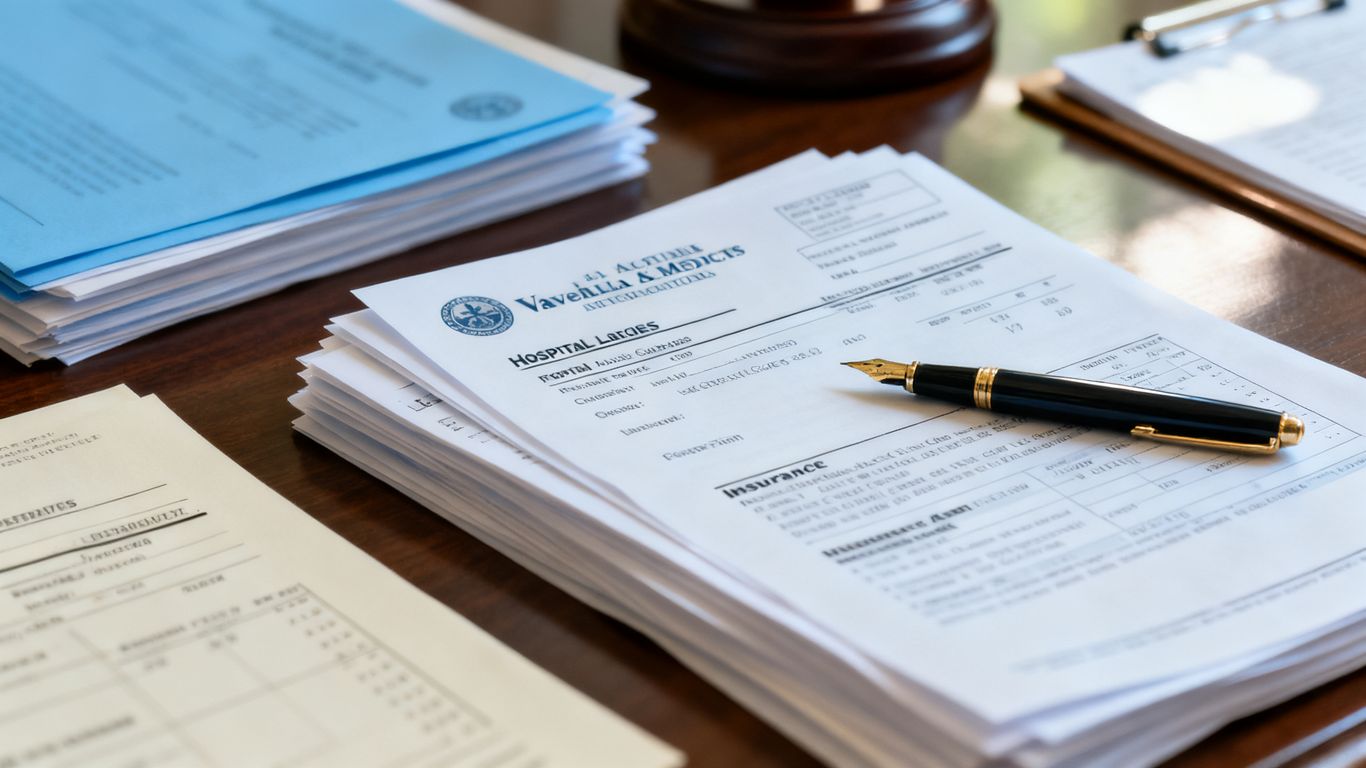
Hospital and provider liens in Georgia personal injury cases
Certain hospitals and other qualifying providers may have statutory lien rights for reasonable charges related to necessary treatment. Whether a lien is enforceable can depend on the provider’s status, the nature of the care, filing requirements, and service or notice requirements.
A provider’s statement that a lien exists is not the same as proving every dollar is due. The claim should be checked against the treatment records and the statutory requirements before settlement funds are allocated.
Health insurance reimbursement and subrogation rights
A health insurer that paid accident-related treatment may assert a reimbursement or subrogation claim. The insurer’s plan language, applicable law, payment history, and communications about the injury can all matter. The amount paid by the insurer may also differ from the provider’s original charge.
The injured person should preserve explanations of benefits and correspondence from the health plan. Those records can show what was paid, denied, adjusted, or assigned to patient responsibility.
Medicare and Medicaid claim-repayment requirements
Medicare and Medicaid may require a claim to be reported and resolved when benefits were paid for treatment connected to an injury. These matters often involve conditional-payment information, updated totals, and formal confirmation that repayment has been addressed.
Because government claims can take time to identify and update, they should be raised early rather than after a settlement check is ready. A final demand or other written resolution is usually more reliable than an informal estimate.
Attorney liens and other claims against settlement proceeds
Attorney fees and case expenses may have priority under the governing agreement or applicable law. Other possible claims can include provider liens, insurer reimbursement demands, or claims involving public benefits. Priority can affect the order in which settlement proceeds are distributed.
The settlement statement should identify each deduction and explain why it is being paid. If the numbers do not match the documents, pause distribution until the discrepancy is resolved.
What to do after an injury before bills become a problem
The first days after an injury can feel disorganized, especially when symptoms, work absences, and calls from insurers arrive together. A few practical habits can reduce confusion later. Prompt care, consistent communication, and organized paperwork give the claim a clearer foundation. A Savannah injury claim guide can also help explain broader steps such as documenting losses and communicating with insurers.
Getting prompt medical care and following the treatment plan
Seek appropriate medical attention and tell the provider what happened, when symptoms began, and which areas are affected. Follow reasonable treatment instructions and ask questions when a recommendation is unclear. Delaying care or stopping without explanation may give an insurer an argument about the seriousness or cause of the injury.
Care should still be medically appropriate. The goal is not to create charges, but to obtain the treatment needed and maintain a clear record of the recovery process.
Keeping records of bills, explanations of benefits, and receipts
Keep every bill, explanation of benefits, receipt, prescription record, mileage note, and payment confirmation. A dated folder—digital or paper—can make it easier to compare provider statements with insurance activity.
Useful records commonly include:
- Itemized provider bills and account ledgers
- Insurance explanations of benefits and denial notices
- Receipts for copayments, medications, and medical supplies
- Treatment notes, appointment dates, and work-absence records
These documents become more useful when they are saved consistently rather than reconstructed months later. They may also reveal that a balance changed after an insurance adjustment.
Telling providers about an insurance claim or pending lawsuit
Let providers know that the injury may involve an insurance claim, but do not speculate about fault or promise payment from a settlement. Ask the billing office how it plans to handle the account and whether any lien, assignment, or payment agreement will be used.
A provider’s billing department may not have the full legal file. Keep communications factual and send attorney contact information when representation begins, so questions can be directed to the appropriate person.
Avoiding gaps in treatment and disputed medical charges
Gaps in care can be caused by transportation, cost, scheduling, or changing symptoms. If treatment must be missed, explain the reason to the provider and ask about rescheduling. If a charge appears wrong, request an itemized account and dispute it promptly in writing.
The same discipline helps with the claim itself. Do not ignore collection letters or assume a pending lawsuit automatically stops billing activity.
How Savannah medical liens are identified and verified
Lien review is a document exercise, not just a conversation about the final medical total. Each provider, insurer, and public program may report different figures at different times. Verification helps separate amounts actually connected to the accident from charges that should be corrected or excluded. It also gives the attorney a sound basis for negotiating reductions.
Requesting a complete account from each provider
Request an itemized statement, payment history, current balance, and any lien or payment agreement from every provider involved. Ask whether the account has been assigned to a collection company or lien administrator. A complete account should identify dates of service and adjustments, not merely show one combined number.
The provider should also be asked to identify any amount already paid by insurance or by the patient. Without that information, the same expense may appear more than once.
Checking whether a lien was properly filed and served
A claimed lien should be checked for the provider’s legal eligibility and the required filing or notice steps. The relevant county records and documents served on the parties may matter, as can the timing of those actions. A patient should not rely solely on a notation printed on a bill.
This is a legal review that may require attention to Georgia statutes and court records. The question is not merely whether paperwork exists, but whether it creates an enforceable claim against the particular injury recovery.
Matching charges to treatment records and accident injuries
Compare the billing dates and diagnoses with medical records, accident facts, and the treatment timeline. The comparison can clarify whether a service treated the accident injury, a later condition, or an unrelated issue. It can also identify care that was ordered but never provided.
A provider’s documentation should support the connection between the service and the claimed injury. For more detail on that recordkeeping process, see this treatment documentation resource.
Identifying duplicate, unrelated, or inflated balances
Look for duplicate dates, repeated procedures, incorrect insurance adjustments, and charges that do not belong to the patient. Also check whether the balance includes services unrelated to the accident or amounts higher than the provider’s agreed patient responsibility.
Billing accuracy can affect both the amount claimed as damages and the amount demanded from settlement proceeds. Guidance on billing error review offers a related perspective on intake, documentation, coding, and reconciliation.

How medical liens are negotiated and resolved
Negotiating a lien is usually tied to the value and risks of the entire claim. A provider may prefer a prompt, certain payment over waiting for litigation, while the injured person needs enough money for ongoing needs. The discussion should be based on verified numbers and a realistic assessment of liability, insurance, damages, and collection risk.
Evaluating the lien against the claim’s settlement value
Begin with the gross offer, then account for fees, costs, verified medical claims, and the possibility of future treatment. A large lien may be manageable in a strong case with adequate insurance, but overwhelming in a case with disputed fault or limited coverage.
The attorney should explain different scenarios rather than presenting the settlement figure in isolation. That comparison helps the client decide whether accepting, continuing negotiations, or pursuing litigation makes practical sense.
Requesting reductions based on legal fees and case expenses
Providers and reimbursement claimants may sometimes agree to reduce the amount demanded so the injured person receives a fairer net recovery. The request can explain the attorney’s contingency fee, documented case expenses, other valid claims, and the work required to obtain the settlement.
There is no automatic reduction in every case. A persuasive request is supported by a complete settlement statement and a clear explanation of why the proposed amount is reasonable.
Using hardship, disputed liability, or limited insurance as leverage
Negotiations may be stronger when the available insurance is limited, liability is contested, or the client faces serious financial hardship. The provider may also consider the risk and delay of continued litigation. These facts should be presented accurately, without overstating the claim or promising a particular outcome.
A reduced payment is often the product of several factors rather than one argument. The negotiation should protect the client’s interests while preserving a professional relationship with the provider.
Documenting written agreements before distributing settlement funds
Never rely on an oral promise that a lien will be reduced or released. Obtain a signed or otherwise formal written agreement stating the amount to be paid, the conditions of payment, and whether the provider will release its claim after payment.
The final settlement statement should match those agreements. Written confirmations create a record for the client and reduce the chance of a later dispute over what was authorized.
Common problems with medical bills in personal injury claims
Medical billing problems can complicate an otherwise valid injury claim. Insurers may challenge the connection between treatment and the accident, while providers may send statements that do not reflect recent adjustments. These issues are easier to address when they are identified before settlement negotiations are finished.
Treatment that insurers argue was unrelated to the accident
An insurer may question treatment that began late, continued for a long period, or involved a body part not clearly described in early records. Prior medical history and inconsistent accounts can add to the challenge. The response should come from records and medical explanation, not from assumptions.
Keep the accident history consistent when speaking with providers. If symptoms changed over time, explain that progression accurately and make sure the records reflect it.
Preexisting conditions and aggravated injuries
A preexisting condition does not necessarily eliminate a claim, but it can make causation harder to prove. The issue may be whether the accident caused a new injury, worsened an existing condition, or made symptoms more limiting. Medical opinions and a comparison of before-and-after function may be relevant.
The claim should distinguish prior treatment from accident-related treatment. Combining every medical issue into one balance can invite unnecessary disputes.
Billing disputes, coding errors, and balance billing
A wrong code, duplicate charge, missing insurance adjustment, or unexpected balance can inflate the account. Ask the provider for a corrected statement and keep copies of all disputes. Do not assume that a demand is accurate simply because it appears on official letterhead.
The patient should also review whether a provider is attempting to collect an amount that conflicts with an insurance agreement or a written lien arrangement. Legal and billing questions may need to be addressed separately.
Delays caused by missing records or incomplete lien information
Settlement discussions can stall when a provider has not sent records, an insurer has not finalized a reimbursement figure, or several entities claim an interest in the same charges. Repeated requests should be dated and preserved. A clear list of missing documents can keep the review moving.
Educational videos can provide general background, but they cannot replace review of the actual account, lien documents, insurance plan, and treatment records in a particular case.
Working with a Savannah personal injury attorney on lien issues
Lien work is one part of preparing and resolving an injury claim, but it can affect the final result significantly. An attorney may communicate with providers and insurers, review legal documents, and explain how proposed deductions affect the client. The client should remain involved and receive understandable updates throughout the process. Resources on Savannah injury representation can provide general context about seeking local legal help.
Coordinating providers, insurers, and lienholders
Different parties often need different documents and different explanations. A provider may need authorization to release records, an insurer may need claim information, and a government program may require a specific reporting process. Centralizing those communications can reduce duplicate requests and conflicting figures.
The attorney’s role is not to erase legitimate bills. It is to help identify what is owed, challenge unsupported amounts, and coordinate resolution as part of the broader claim.
Protecting settlement proceeds from unresolved claims
Settlement funds should remain protected until all known claims have been identified and addressed. Distributing money while a lienholder is still asserting an unresolved right can expose the client to later collection activity or a demand for repayment.
A written closing statement should show the gross recovery, each deduction, each payment recipient, and the amount delivered to the client. The client should have an opportunity to ask questions before signing.
Understanding legal fees, case costs, and lien-payment priorities
The fee agreement should explain how attorney fees are calculated and whether case costs are deducted before or after the fee. The settlement statement should then show how those terms interact with medical liens and reimbursement claims. Priority questions can be fact-specific, so a general internet explanation may not answer the issue in a particular file.
For attorneys and firms, public-facing education also matters; resources on personal injury marketing and law firm SEO address ways legal practices communicate their services. Those topics are separate from the client’s lien accounting and should not be confused with legal advice about a pending claim.
Questions to ask before signing a settlement or lien agreement
Before signing, ask what claims have been identified, whether any balances remain unverified, and what amount is expected to be left after deductions. Ask whether the agreement releases the provider’s claim completely and whether future treatment is included or excluded.
It is also reasonable to ask when payments will be sent, who will receive them, and what happens if a lienholder later disputes the agreed amount. If a decision is time-sensitive, request a consultation before signing documents that may limit future options.
Contact a Savannah Injury Attorney
Medical bills and liens can be difficult to sort through while you are recovering. A Savannah personal injury attorney can review the claim, communicate with lienholders, and help you understand the proposed distribution before you sign.
Conclusion
Medical bills are only one part of a Savannah injury claim, but unresolved liens and reimbursement demands can substantially change the final recovery. Prompt treatment, careful records, accurate account reviews, and written lien resolutions give the claim a stronger financial foundation. When the paperwork becomes complicated, individualized legal guidance can help protect the settlement and clarify what happens next.
Frequently Asked Questions
What is a medical lien in a personal injury case?
A medical lien is a claim by a qualifying provider against proceeds connected to an injury claim, usually for treatment related to the accident. Its enforceability depends on the applicable law and required documentation.
Is a medical lien the same as a medical bill?
No. A medical bill states a charge for services, while a lien may create a legal claim against a settlement or judgment. A bill can exist even when no enforceable lien does.
Can I receive medical treatment before my injury case settles?
Possibly. Some providers may agree to delay collection or treat under a written lien arrangement. Ask about payment terms before treatment and keep a copy of every agreement.
Can a health insurer seek repayment from my settlement?
A health insurer may seek reimbursement or assert subrogation rights when it paid accident-related care. The plan terms, payment history, and applicable law should be reviewed before repayment is accepted.
What happens if a provider’s bill is incorrect?
Request an itemized account, compare it with your treatment records and insurance statements, and dispute errors promptly in writing. Keep copies of the correction request and any response.
Do Medicare or Medicaid claims have to be repaid?
Government benefit programs may require repayment for accident-related medical expenses they covered. The claim should be reported and resolved through the applicable process before settlement funds are distributed.
Should I settle before every lien is resolved?
A settlement may be reached before final lien figures are available, but funds should generally remain protected until known claims are verified and resolved. Your attorney should explain the risks and the proposed handling of each outstanding demand.