
So, you took a tumble at a grocery store in Decatur. It happens more than you’d think, and honestly, it can really mess up your day. Beyond the bumps and bruises, there’s the worry about medical bills and missing work. This article is here to break down what you need to know about premises liability and how a Decatur grocery store fall attorney can help you figure out if the store was at fault and what you can do about it.
Table of Contents
ToggleKey Takeaways
- Premises liability means property owners, like grocery stores, have a duty to keep their spaces safe for visitors. If they know about a hazard and don’t fix it, they could be responsible if someone gets hurt.
- To build a case after a fall, you’ll need to show the store was negligent. This means proving they knew or should have known about a dangerous condition and didn’t act reasonably to prevent your injury.
- If you’ve been injured in a grocery store fall, it’s important to act fast. There are time limits for filing a claim, and a Decatur grocery store fall attorney can help you gather evidence and seek compensation for your medical bills, lost wages, and pain.
Understanding Premises Liability in Decatur Grocery Stores
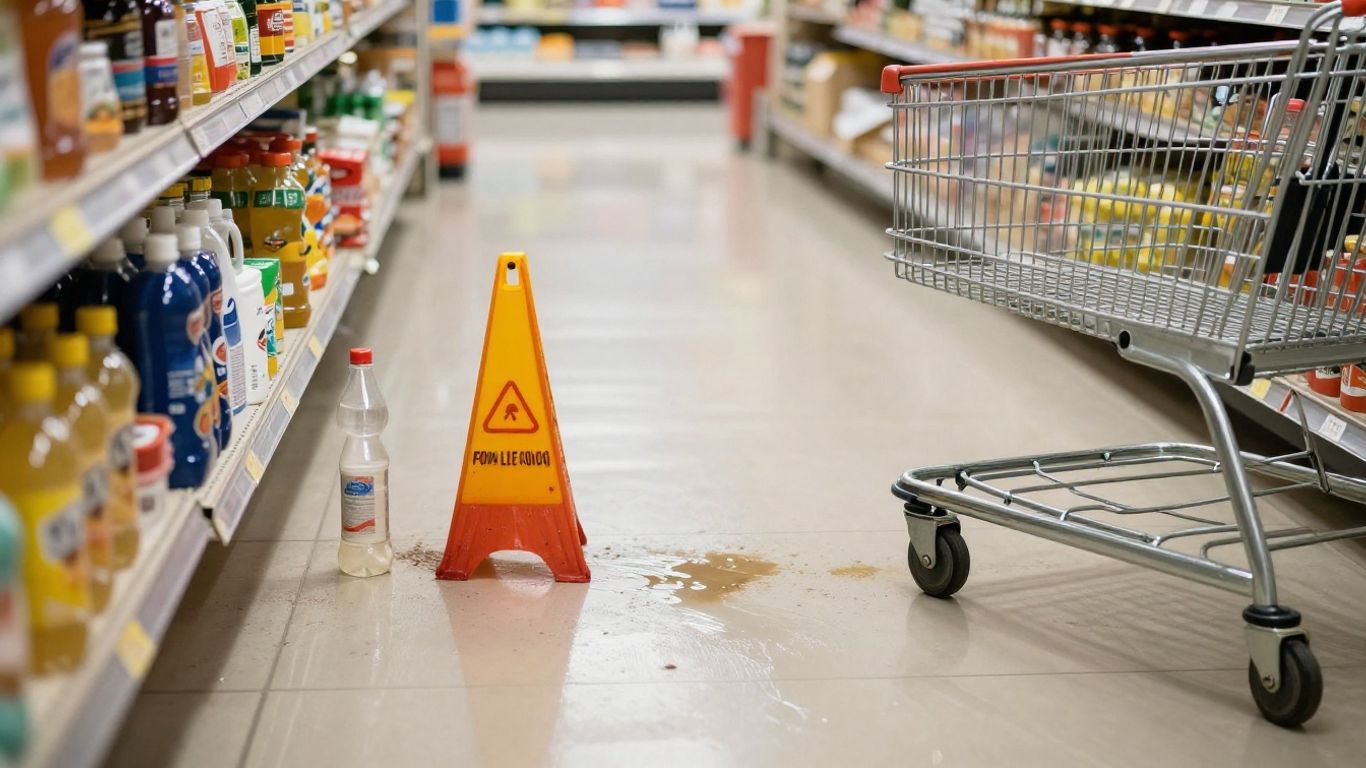
Premises liability sounds like legal jargon, but it really just comes down to the responsibility store owners have to keep people safe when they shop. In Decatur, this isn’t just a basic idea—it’s laid out in Georgia law. Grocery stores, just like any other business, have to make sure their premises (including parking lots and entryways) are actually safe for everyone walking in.
If you slip on a freshly mopped floor with no sign and hurt your back, you might have a good reason to talk to a lawyer.
What Constitutes Premises Liability?
Premises liability happens if you get hurt because a property owner or manager didn’t fix or warn about a dangerous condition, like a puddle or broken floor tile. It doesn’t matter if they didn’t invite you personally—just running a store open to the public is enough to create responsibility. There are a few situations where this applies:
- Wet, slippery, or dirty floors left unmarked
- Unstable displays or stacked products falling
- Poor lighting in aisles or parking lots
- Icy or uneven sidewalks without warning signs
Here’s a quick breakdown of where these cases might pop up:
| Location | Example Hazard |
|---|---|
| Inside grocery store | Spilled milk, loose rug |
| Parking lot | Potholes, black ice |
| Store entrances | Rainwater, slippery mats |
Sometimes the problem isn’t just an accident—it could be a sign the store didn’t do routine checks or ignored things they should have noticed. Even things like a lack of security in dangerous areas can be a premises liability issue, as described on sites about fair compensation.
Your Rights as a Grocery Store Patron
When you walk into a grocery store in Decatur, you’re actually covered by some pretty specific rights. Business owners have what’s called a “duty of care,” which means creating a safe spot for shoppers. If they mess up, you may have the right to:
- Hold the store responsible for injuries, big or small
- Request payment for medical bills, lost work days, and more
- Expect the store to check for hazards and fix or warn about them
To break it down, the people most protected are those who are invited or expected to be on the property (like shoppers). The law holds stores to the highest safety standards for these folks. If you’re in the store legally and you’re hurt because of a problem they should’ve prevented, it’s not just bad luck—you might have a case.
Don’t let stores off the hook if you get hurt because of something that was totally avoidable. Know your rights and, if things go sideways, don’t wait to look into your options.
Building Your Case with a Decatur Grocery Store Fall Attorney
Key Steps to Prove Negligence
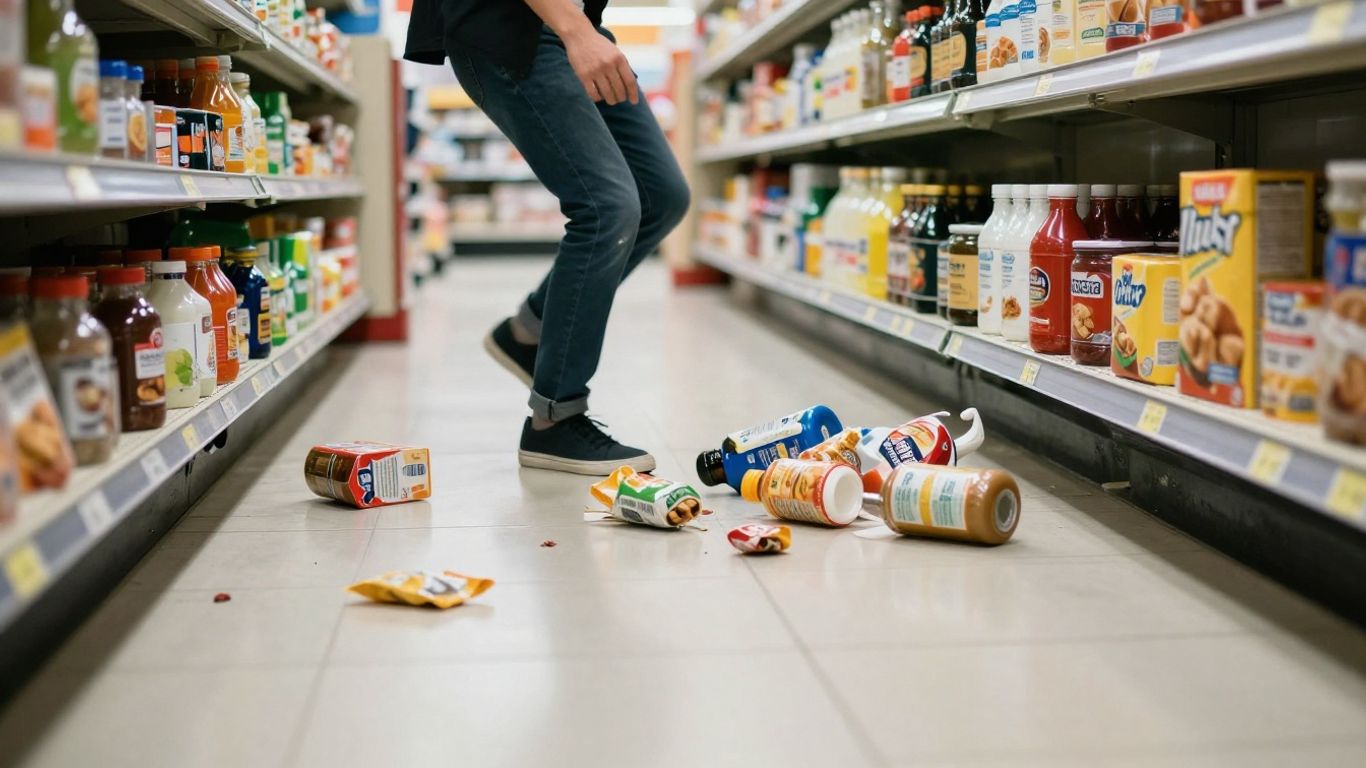
So, you’ve had a fall in a Decatur grocery store. Now what? To get anywhere with a claim, you’ve got to show the store messed up. This means proving they were negligent. It’s not just about falling; it’s about why you fell and what the store could have done to stop it. The core idea is that the store owner or manager knew, or should have known, about a dangerous situation and didn’t fix it or warn people.
Here’s a breakdown of what you generally need to demonstrate:
- A Dangerous Condition Existed: You need to show there was something unsafe on the floor or in the store. This could be a spill, a broken tile, a poorly lit area, or even an obstacle left in an aisle.
- The Store Knew or Should Have Known: This is a big one. You have to prove the store was aware of the hazard. Maybe an employee saw the spill and ignored it, or maybe the spill had been there so long that a reasonable store owner would have discovered and cleaned it up. We look at how long the condition was present.
- The Store Failed to Act: After knowing about the danger, the store didn’t take reasonable steps to fix it or warn customers. This could mean not putting up a "wet floor" sign, not cleaning up a spill promptly, or not repairing a broken step.
- You Were Injured Because of the Condition: You need to connect your fall and your injuries directly to the dangerous condition. Your injuries must be a direct result of the store’s failure to maintain a safe environment.
Common Causes of Grocery Store Falls
Grocery stores are busy places, and unfortunately, hazards can pop up quickly. Understanding these common causes can help you identify what might have led to your fall:
- Wet or Slippery Surfaces: This is probably the most frequent culprit. Spills from dropped produce, leaking freezers, cleaning solutions, or even tracked-in rain or snow can create slick spots. Stores have a duty to clean these up quickly and put up signs.
- Uneven Floors or Damaged Flooring: Cracked tiles, worn-out mats, or changes in floor height without proper warning can easily trip someone up.
- Obstructions in Aisles: Carts left in the middle of an aisle, boxes, or other merchandise that isn’t properly stored can create tripping hazards.
- Poor Lighting: Dimly lit areas, especially in storage rooms or less-trafficked sections, can make it hard to see potential dangers.
- Debris on the Floor: Anything from small pieces of food to packaging can cause someone to slip or trip.
When you’re injured, your first thought shouldn’t be about fighting with the store or their insurance company. Your priority needs to be your health. Trying to handle a legal claim on your own while you’re recovering can be overwhelming and might mean you miss important deadlines or say something that hurts your case. That’s where an attorney comes in – they handle the legal heavy lifting so you can focus on getting better.
Remember, building a strong case takes time and evidence. It’s always best to talk to a lawyer who knows these kinds of cases soon after your fall. They can help gather the proof needed to show the store was at fault.
Seeking Compensation After a Grocery Store Fall
Damages Available for Your Injuries
If you’ve been injured in a grocery store slip and fall, you might be wondering what kind of compensation you can get. It’s not just about covering your immediate medical bills, though that’s a big part of it. You could also be looking at lost income if you had to take time off work to recover. Think about any personal items that were damaged too, like your phone or glasses. The goal is to make you whole again, as much as possible.
Here’s a breakdown of what might be included:
- Medical Expenses: This covers everything from ambulance rides and emergency room visits to doctor’s appointments, physical therapy, and any medications prescribed.
- Lost Wages: If your injuries kept you from working, you can seek compensation for the income you missed out on. This can also include future lost earning capacity if your injuries prevent you from returning to your previous job or working at all.
- Property Damage: If your belongings were damaged during the fall, like a phone, laptop, or even clothing, you can include the cost of repair or replacement.
- Pain and Suffering: This is compensation for the physical pain, emotional distress, and mental anguish you’ve experienced due to the injury. It’s harder to put a number on, but it’s a real part of the harm you’ve suffered.
- Loss of Enjoyment: If your injuries prevent you from participating in hobbies, activities, or aspects of life you once enjoyed, this can be part of your claim.
Sometimes, if the store’s actions were particularly reckless, punitive damages might be awarded. These aren’t meant to compensate you directly but to punish the at-fault party and deter similar behavior in the future. It’s a serious matter that requires careful consideration.
The Importance of Acting Promptly
After a fall, time is really of the essence. There are deadlines, called statutes of limitations, for filing a lawsuit. In Georgia, for instance, you generally have two years from the date of the incident to file a claim. Missing this deadline means you likely lose your right to seek compensation altogether. It’s not just about the legal deadlines, though. Evidence can disappear quickly. Photos of the hazard might be cleaned up, witness memories can fade, and even security footage might be overwritten. Getting a personal injury attorney involved soon after your fall helps ensure that all necessary evidence is preserved and that your claim is filed within the legal timeframe. Don’t wait to get the help you need.
Did you slip and fall at a grocery store? It can be tough to get back on your feet after an accident like that. These places should be safe for everyone, but sometimes they aren’t. If you were hurt because of a spill or a hazard that wasn’t cleaned up, you might be able to get money to help with your bills. Don’t let a grocery store’s mistake ruin your life. Visit our website to learn more about how we can help you seek compensation.
Don't Let a Slip-Up Lead to Long-Term Trouble
So, if you’ve taken a tumble at a grocery store in Decatur and ended up hurt because of something the store should have fixed, don’t just brush it off. These accidents can really mess with your life, leading to bills and time off work you didn’t plan for. Remember, store owners have a responsibility to keep things safe for shoppers. If they dropped the ball and you got injured, you might be able to get some help covering your costs. It’s a good idea to talk to a lawyer who knows about these kinds of cases. They can help you figure out if you have a claim and guide you through what needs to be done next so you can focus on getting better.
Frequently Asked Questions
What should I do right after a slip and fall accident at a grocery store?
If you slip and fall in a grocery store, try to stay calm. Let a store employee know what happened and ask for help. Take pictures of the area where you fell, especially if there was something like a wet floor or broken tile. Get the names and contact information of anyone who saw you fall. See a doctor as soon as possible, even if you feel okay. Save any medical bills and keep notes about your injuries.
How can I prove the grocery store was responsible for my fall?
To show the store was at fault, you need to prove there was a dangerous condition, like a spill or broken floor, and that the store knew about it or should have known. Take photos, gather witness statements, and keep records of your injuries. Sometimes, store cameras might have recorded your fall. An attorney can help you collect the right evidence and build a strong case.
How long do I have to file a claim after a slip and fall in Decatur?
In most cases, you have two years from the date of your fall to file a lawsuit in Georgia. If your claim is against a government-owned property, you might have less time, sometimes only one year. It’s important to act quickly and talk to a lawyer soon after your accident so you don’t miss any deadlines.