August 17, 2026
Car Accident Lawyer
· By Vishay Singh
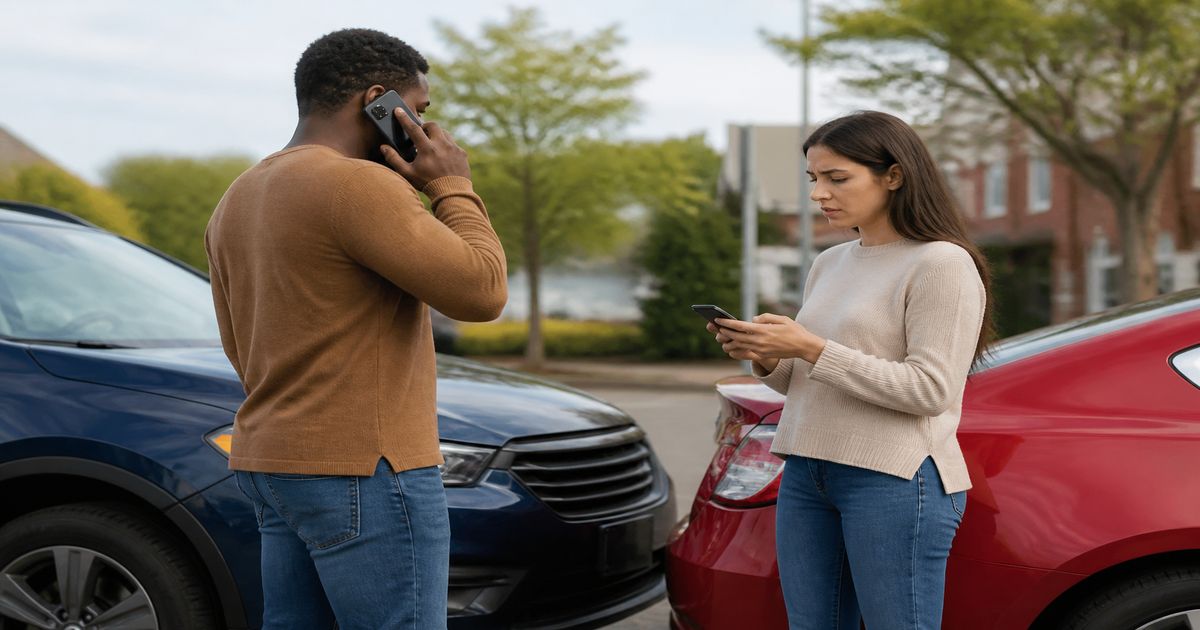
Getting into a car accident in Kennesaw can be tough, especially if you think you might have played a part in causing it. It’s not always black and white, and figuring out who’s responsible can get complicated. This article breaks down what Georgia law says about shared blame in accidents and how you can still get compensation even if you were partially at fault in a Kennesaw accident.
Table of Contents
Being involved in a car accident is stressful enough, but what happens if you’re not entirely blameless? In Kennesaw, Georgia, the law has a specific way of handling situations where more than one person might have contributed to a crash. It’s not always a simple ‘you’re 100% at fault or you’re not’ scenario. Understanding how this works is pretty important if you want to get fair compensation for your injuries and damages.
Georgia follows a system called "modified comparative negligence." Basically, this means that if you’re injured in an accident, you can still recover damages even if you were partly at fault. However, there’s a catch: your recovery amount is reduced by the percentage of fault assigned to you. Crucially, you cannot recover any damages if you are found to be 50% or more at fault for the accident. This rule is designed to prevent people who are mostly responsible for a crash from collecting damages from someone who was only slightly at fault.
Let’s say you’re in an accident, and the investigation determines you were 20% responsible, and the other driver was 80% responsible. If your total damages are $10,000, you would only be able to recover 80% of that amount, which is $8,000. The $2,000 reduction is because of your 20% fault. But if you were found to be 50% at fault, you wouldn’t get anything, even if the other driver was also negligent.
Here’s a quick breakdown:
It’s vital to remember that the other party’s insurance company will likely try to argue you were more at fault than you actually were. Their goal is to minimize the amount they have to pay out, so they might claim you were 50% or more responsible to avoid paying anything at all.
When you’re partially at fault, proving your case becomes a bit more complex. You still need to demonstrate that the other party was negligent and that their negligence caused the accident and your injuries. However, you also need to be prepared to address your own role in the incident. This often involves gathering strong evidence to support your version of events and to counter any claims that you were primarily responsible. Having a clear understanding of the evidence needed is key to building a strong case.
Evidence that can help establish fault includes:
It’s not uncommon for fault to be disputed in these situations. The other driver’s insurance company might point to your actions as the primary cause, even if that’s not accurate. This is where having a clear, evidence-based argument is so important. You need to show not only how the other driver was negligent but also why your contribution to the accident was less than 50%.
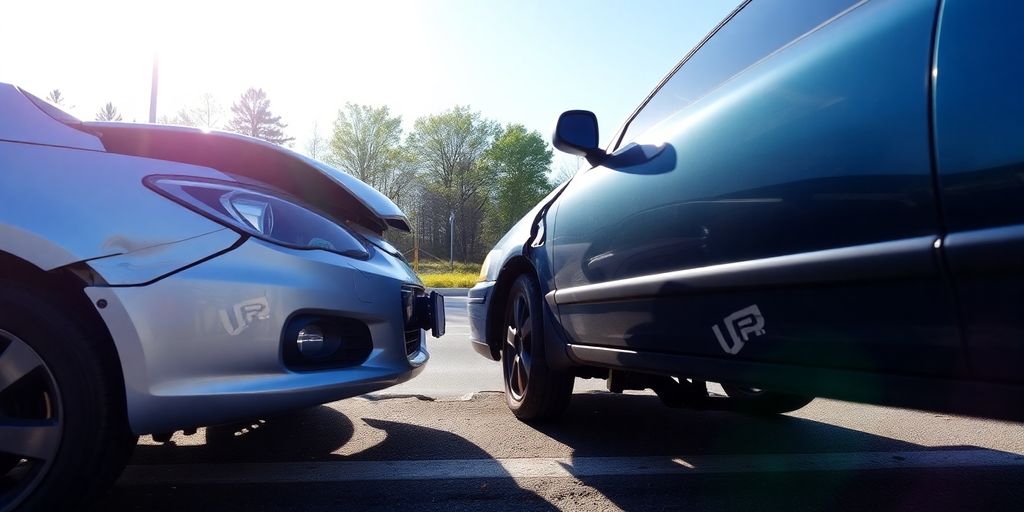
After an accident in Kennesaw, especially if you might have been partly responsible, things can get complicated pretty fast. It’s not just about figuring out who did what; it’s about making sure you get what you’re owed for your injuries and losses. You’ve got to be smart about how you handle your claim from the get-go.
To get anywhere with your claim, you really need solid proof. This means collecting anything that shows what happened and who caused it. Think about it like putting together a puzzle, but instead of cardboard pieces, you’re using facts and evidence.
Here’s what you should try to get:
Don’t wait too long to gather this stuff. Evidence can disappear or get harder to find the longer you wait.
Dealing with insurance companies on your own, especially when you’re partially at fault, is tough. They’re not exactly on your side, and they’ll try to use your percentage of fault against you to pay you less. That’s where a lawyer comes in.
Having a legal professional in your corner can make a huge difference in the outcome of your claim when you’re dealing with partial fault. They help level the playing field and fight for the compensation you deserve.
After an accident in Kennesaw, figuring out what to do next can be confusing. We’re here to help make the process of handling your claim much simpler. Don’t go through it alone; let us guide you. Visit our website today to learn more about how we can assist you.
So, if you find yourself partially at fault after a car accident in Kennesaw, don’t just assume you’re out of luck. Georgia’s laws do allow for compensation even when fault is shared, as long as you’re not more than 50% responsible. Your compensation will be reduced based on your percentage of fault, but it’s still possible to recover. Gathering solid evidence to clearly show what happened and who was responsible is key. Dealing with insurance companies can be tough, especially when fault is a question. That’s why having a local Kennesaw attorney who understands these specific rules can make a huge difference in getting the fair outcome you deserve.
In Georgia, if you’re partly to blame for a car crash, you can still get money for your injuries. However, you can only get paid if you’re less than 50% responsible for the accident. The amount you receive will be less depending on how much your actions contributed to the crash.
To prove who caused the accident, you’ll need evidence. This could include photos of the crash scene, statements from people who saw what happened, data from the cars’ computers, and even phone records. A lawyer can help you gather all the necessary proof to show who was at fault.
Yes, you can still seek compensation. Georgia uses a system where your payout is reduced by the percentage you are found to be at fault, as long as you are less than 50% at fault. An attorney can help make sure your side of the story is heard and that your fault isn’t unfairly increased.
Related Articles
August 17, 2026
July 31, 2026
Free Case Evaluation
Every consultation is confidential and free of charge. There is no fee unless we recover for you.