
August 17, 2026
Personal Injury Lawyer
· By Vishay Singh
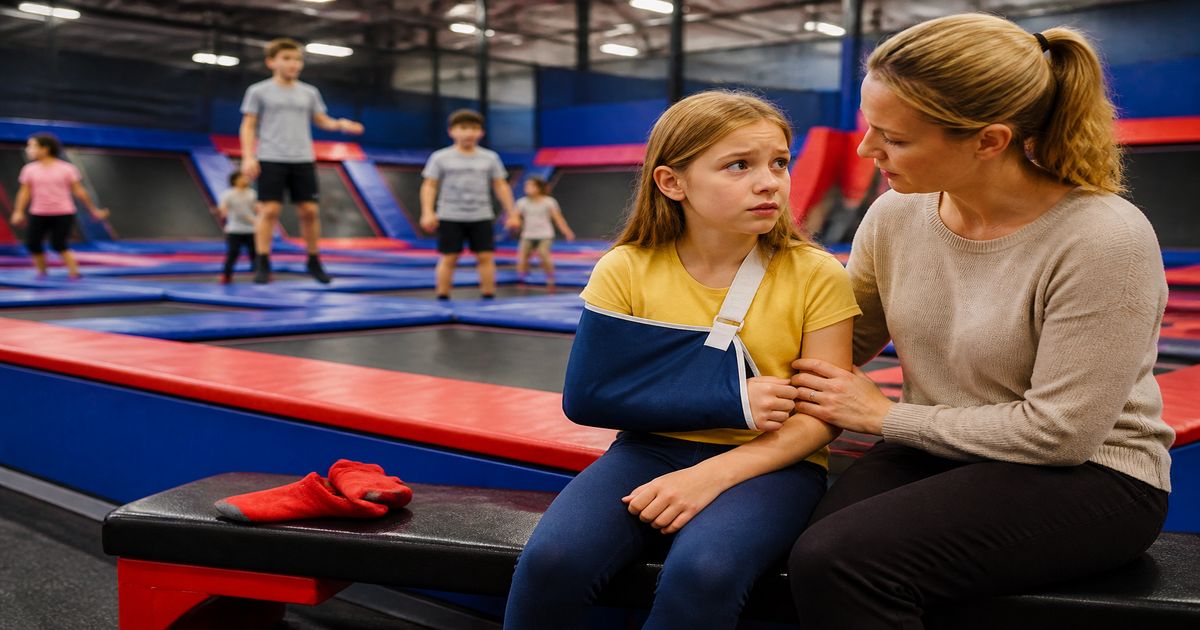
Trampoline parks are popping up everywhere, and while they seem like a lot of fun, there’s a growing concern about injuries. In Georgia, like in many other places, we’re seeing more people get hurt on these bouncy surfaces. This isn’t just about kids falling off; it’s about a range of injuries that are becoming more common. Let’s take a look at what’s happening with trampoline injuries in Georgia and why it’s something we should pay attention to.
Table of Contents
It seems like everywhere you look these days, there’s a trampoline park popping up. And while they look like a ton of fun, especially for kids, there’s a growing concern about the number of injuries happening on them. In Georgia, like in many other places, we’re seeing more and more people, especially children, ending up in the emergency room because of trampoline-related accidents. It’s not just a few here and there; the numbers are really starting to add up, and it’s something parents and guardians need to be aware of.
Trampolines, whether they’re in someone’s backyard or part of a commercial park, are a common source of injuries. Studies show that a significant number of emergency room visits are linked to trampoline use. Many of these incidents happen at home, but the rise of dedicated trampoline parks has also contributed to the overall increase. It’s easy to think of trampolines as just harmless fun, but the reality is that they can be quite dangerous if not used carefully.
When someone gets hurt on a trampoline, it often means a trip to the emergency room. These injuries aren’t always minor bumps and bruises; they can range from sprains and fractures to more serious head and neck injuries. The sheer volume of these incidents puts a strain on our healthcare system, particularly emergency departments that have to deal with a steady stream of patients needing treatment for trampoline-related mishaps. This trend highlights a public health issue that needs more attention.
It’s a common misconception that trampolines are safe, especially with all the safety features like padding and nets. However, healthcare professionals know that injuries can happen incredibly fast, even with these precautions in place. The ease with which someone can get hurt is often underestimated by the general public.
When we look at who’s getting hurt on trampolines, kids are definitely the most at risk. It seems like the younger they are, the more likely they are to end up with an injury. Specifically, children under the age of 6 make up a pretty significant chunk of these incidents, and within that group, broken bones and dislocations are super common. The age range of 5 to 14 years old is also a hotspot for trampoline-related injuries. It’s a real concern for parents and guardians across Georgia.
There’s a physical reason behind that under-6 concentration. Leading pediatric guidance, including the American Academy of Pediatrics, recommends against trampoline use for children younger than six, largely because their bones are still developing. A young child’s growth plates — the still-forming sections near the ends of long bones — are softer and more easily injured than the ligaments and tendons around them, which is part of why a fall an older child shakes off can mean a fracture for a much younger one.
Pediatric guidance is just as consistent on a second point: only one person should be on the mat at a time. Most jumping injuries happen when two or more people bounce together, since a heavier jumper’s landing can send a sudden burst of force through the mat just as a smaller child is airborne. Many commercial trampoline parks build similar limits into their own rules, with age or height requirements on certain courts and a signed waiver required before a child can jump — though signing one doesn’t automatically decide whether a family can pursue a claim afterward.
Looking at the numbers, boys seem to experience trampoline injuries at a slightly higher rate than girls. While the difference isn’t always huge, it’s a consistent trend seen in many studies. This could be due to a variety of factors, perhaps related to how different genders tend to play or engage with trampolines. It’s something to keep in mind when thinking about safety measures.
Trampoline parks are popular with a wide range of ages, but they really draw in the younger crowd. You’ll see a lot of kids and teenagers flocking to these places for birthday parties and just general fun. The average age of someone injured on a trampoline often hovers around 8 years old, but this can vary. It’s important to remember that even though these parks are designed for fun, the risk of injury is still present for all participants, regardless of age.
Trampoline injuries are a growing concern, and understanding who is most affected is the first step in preventing them. The data points towards younger children and boys as being particularly vulnerable, but anyone using a trampoline, especially in a public park setting, needs to be aware of the risks involved. Safety should always be the top priority.
Here’s a quick look at some general statistics:
It’s worth noting that while many injuries happen at home, the rise of public trampoline facilities means we’re seeing more incidents in these commercial settings too. This shift in where injuries occur highlights the need for updated safety protocols across the board.
When someone takes a tumble on a trampoline, the injuries can really run the gamut. It’s not just a simple bruise most of the time. We’re talking about everything from nasty fractures and painful sprains to more serious issues like dislocations and even head injuries. The most common culprits are fractures and sprains, often affecting the arms and legs. It’s easy to see why – when you’re bouncing around, awkward landings are pretty much inevitable.
Fractures, or broken bones, are a big concern, especially for younger kids. Think about a bad landing where a bone takes the brunt of the impact. Sprains, which are injuries to ligaments, are also super frequent. These happen when a joint is twisted or stretched too far. Both can mean a long recovery time, keeping kids (and adults!) on the sidelines for weeks or even months.
So, where do these injuries tend to happen on the body? The data points to the extremities being the most vulnerable. This includes:
While trampoline parks have seen a rise in incidents, the majority of trampoline-related injuries still happen closer to home. About 95% of these injuries occur on trampolines located in residential settings. This means that backyard trampolines, while fun, are statistically the most dangerous spots. Within these home settings, injuries often happen right on the jumping mat itself, but a significant number also occur when people land on the springs or the metal frame surrounding the mat. It’s a stark reminder that even familiar surroundings can pose risks. If you or a loved one sustains an injury at a trampoline park in Georgia, it’s important to know the steps to take to protect your rights and seek appropriate compensation for medical expenses, lost wages, and pain and suffering at a trampoline park in Georgia.
The allure of bouncing high and performing tricks on a trampoline can easily overshadow the inherent risks. The dynamic nature of the activity, combined with the potential for unpredictable movements and landings, creates a perfect storm for various types of injuries. Understanding these common injury types and where they typically occur is the first step in promoting safer bouncing practices.
It feels like everywhere you look these days, there’s a new trampoline park popping up. And while they seem like a blast for kids (and let’s be honest, adults too), this boom in public facilities has come with a noticeable uptick in injuries. These aren’t just backyard trampolines anymore; we’re talking about massive indoor arenas filled with interconnected trampolines, foam pits, and obstacle courses. The sheer scale and variety of activities mean more opportunities for things to go wrong. It’s a trend that’s hard to ignore, especially when you look at the numbers.
Trampoline parks, while fun, introduce a unique set of risks that go beyond what you might find with a single trampoline at home. The interconnected nature of the trampolines means a jump on one can affect others nearby, leading to unexpected collisions. Foam pits, meant to cushion falls, can sometimes cause awkward landings or entrapment if not properly maintained. Plus, the sheer number of people in a confined space, all jumping and flipping, increases the chances of accidental contact and falls. It’s a dynamic environment, and that dynamism can quickly turn into danger.
Here are some common risks:
The allure of a trampoline park is undeniable, offering a high-energy outlet for fun. However, the very features that make them exciting – the vast jumping surfaces, the variety of activities, and the presence of many participants – also create a more complex risk environment compared to traditional trampolines. It’s a trade-off between exhilaration and safety that needs careful consideration.
When we compare injuries from home trampolines to those occurring in public parks, a few things stand out. While home trampolines certainly contribute to the injury count, the data suggests that the concentrated activity and higher participant numbers in commercial parks can lead to a greater frequency of certain types of incidents. It’s not just about the trampoline itself, but the entire ecosystem surrounding its use. The statistics often show a higher rate of emergency room visits originating from public trampoline parks, highlighting the need for robust safety protocols in these commercial settings.
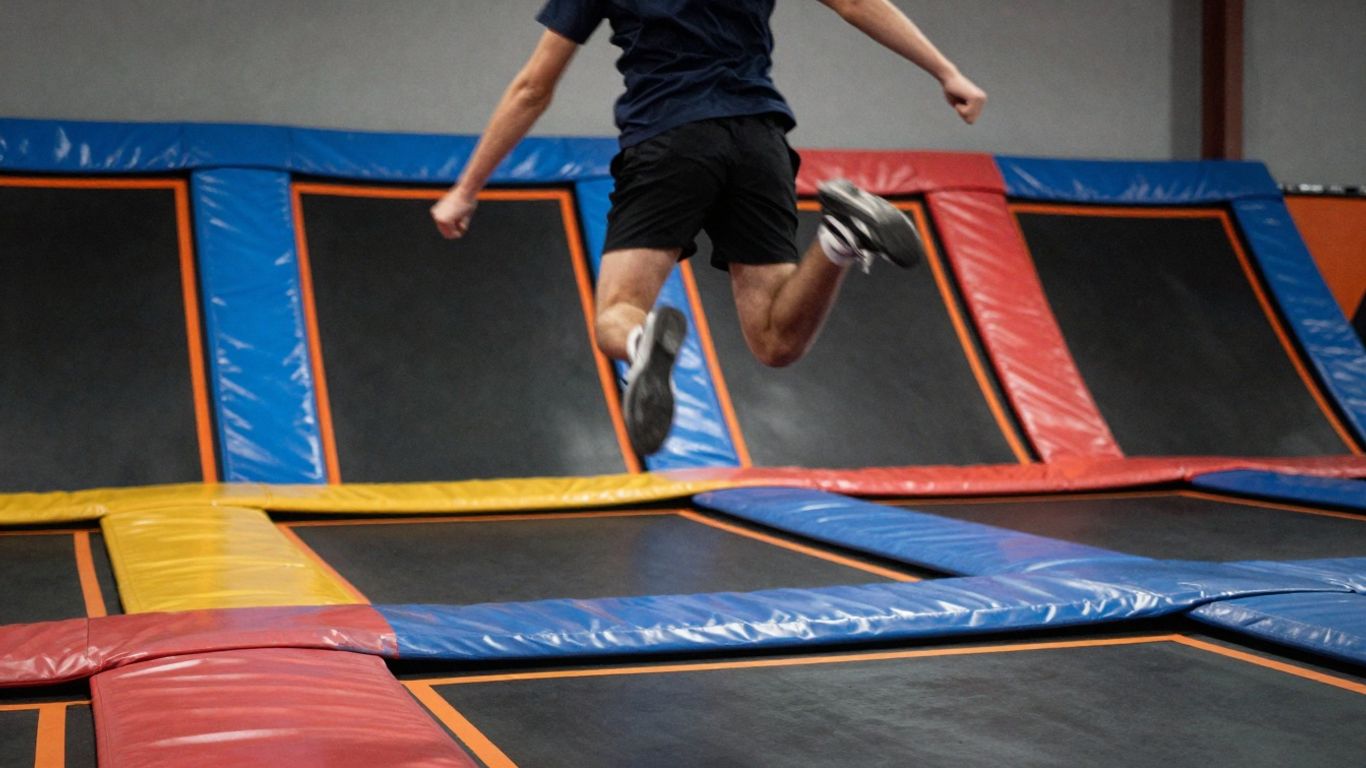
It’s easy to think of trampolines as just simple backyard fun, but there are a bunch of things that can turn a good time into a trip to the ER. Understanding these risks is super important, especially with how popular trampoline parks have become.
This is a big one. Having more than one person on a trampoline at the same time dramatically increases the chance of getting hurt. When people jump together, their bounces can collide, sending someone flying unexpectedly. It’s especially risky when there’s a big difference in size or weight between the jumpers. The lighter person often gets launched higher or in an unpredictable direction, leading to bad falls. Studies show that about 75% of trampoline injuries happen when multiple people are jumping, and this situation alone can boost the injury risk by a significant amount.
While the mat is where the action happens, it’s not the only place injuries occur. A good chunk of accidents happen when people land on the trampoline’s frame or springs. These hard parts offer no give and can cause nasty fractures or deep bruises. Even falling off the trampoline onto the ground or other nearby objects is a common cause of injury. It’s why having proper padding around the edges and keeping the trampoline clear of hard surfaces is so vital. For those looking for safer options, some facilities offer specialized surfaces designed to absorb impact, but even these aren’t completely risk-free.
Even with safety nets and padding, supervision plays a key role. Many injuries, sadly, happen even when adults are present. This isn’t to say supervision doesn’t help – it absolutely does. Having an adult watching can prevent risky behavior like flips or too many people jumping at once. However, it’s not a magic bullet. Sometimes, even attentive supervisors can’t prevent an accident. It really highlights the need for clear rules and consistent enforcement, whether at home or in a public trampoline park.
Here’s a quick look at how different factors can increase risk:
It’s a common misconception that trampolines are only dangerous at home. While home trampolines do account for a large percentage of injuries, public facilities like trampoline parks have seen a massive surge in incidents. This increase is likely due to a combination of factors, including higher user volume, more complex activities, and sometimes, less stringent supervision than one might expect.
Trampoline injuries aren’t just painful; they hit our wallets too. When kids (or adults!) get hurt bouncing around, it means doctor visits, X-rays, maybe even surgery. These costs add up fast. We’re talking about emergency room visits, hospital stays, and follow-up appointments. It’s a significant financial burden on families and the healthcare system as a whole.
For those trampoline incidents that are serious enough to require a hospital stay, the duration can vary. While some injuries might only need a day or two of observation, more severe cases, like fractures needing surgery or spinal injuries, can mean longer stays. This means more time away from school or work for the injured person and their caregivers, adding to the overall disruption and cost.
Looking at the big picture, trampoline-related injuries cost a pretty penny nationwide each year. It’s estimated that these incidents contribute to hundreds of millions, if not billions, of dollars in healthcare expenses across the United States annually. This figure accounts for all the treatments, from initial ER visits to long-term rehabilitation.
Here’s a quick look at some of the costs involved:
The financial strain from trampoline injuries is substantial, impacting both individual families through medical bills and the broader healthcare infrastructure through overall expenditure. It’s a clear indicator that the risks associated with trampolines come with a significant economic price tag.
It’s pretty wild to think about how much money is spent just because of trampolines. When you break it down, it really makes you think twice about the safety precautions, doesn’t it?
Trampoline accidents can lead to serious injuries, impacting both families and the healthcare system. These incidents often result in costly medical bills and lost workdays. If you or a loved one has been hurt due to a trampoline, understanding your rights is crucial. Visit our website to learn more about how we can help you seek the compensation you deserve.
So, looking at all this data, it’s pretty clear that trampolines, while fun, come with some real risks, especially here in Georgia. We’ve seen how injuries have gone up over the years, and it’s not just happening at home anymore, with trampoline parks seeing a big jump in incidents too. Most injuries happen to kids, and they often involve broken bones or head injuries. It seems like a lot of these accidents could be avoided if people just followed some basic safety rules, like only one person jumping at a time and making sure there’s adult supervision. While trampolines aren’t going anywhere, understanding these risks is the first step to making sure everyone stays safer.
Yes, there’s been a noticeable increase in trampoline-related injuries. While specific data for Georgia might vary, national trends show a significant rise in these kinds of accidents over the past decade, leading to more emergency room visits.
Children are most at risk, especially those under 14 years old. Younger kids, under 6, are particularly vulnerable, and often suffer broken bones or dislocations. Even teens and adults can get injured, especially when rules aren’t followed.
The most frequent injuries are broken bones (fractures) and twisted joints (sprains and strains). Head and neck injuries can also happen, and while less common, they can be very serious. Bruises and cuts are also quite common.
While most injuries happen at home, trampoline parks have seen a huge jump in accidents. This is likely due to more people using them and sometimes a lack of close supervision. The risk comes from many people jumping at once or landing improperly.
A big reason for injuries is when more than one person jumps on the trampoline at the same time. This can cause unpredictable bounces and collisions. Not landing correctly, or hitting the springs or frame, also leads to many injuries. Poor supervision plays a role too.
Trampoline injuries add up to a lot of money for healthcare. In the U.S. alone, these injuries cost about $1 billion each year. A single emergency room visit can cost around $800, and hospital stays can last for several days.
Related Articles
August 17, 2026

July 31, 2026
Free Case Evaluation
Every consultation is confidential and free of charge. There is no fee unless we recover for you.