

Uncategorized
From Crash Scene to Courtroom: Singhtoro Law PA’s Step-by-Step Injury Case Strategy
· By Vishay Singh
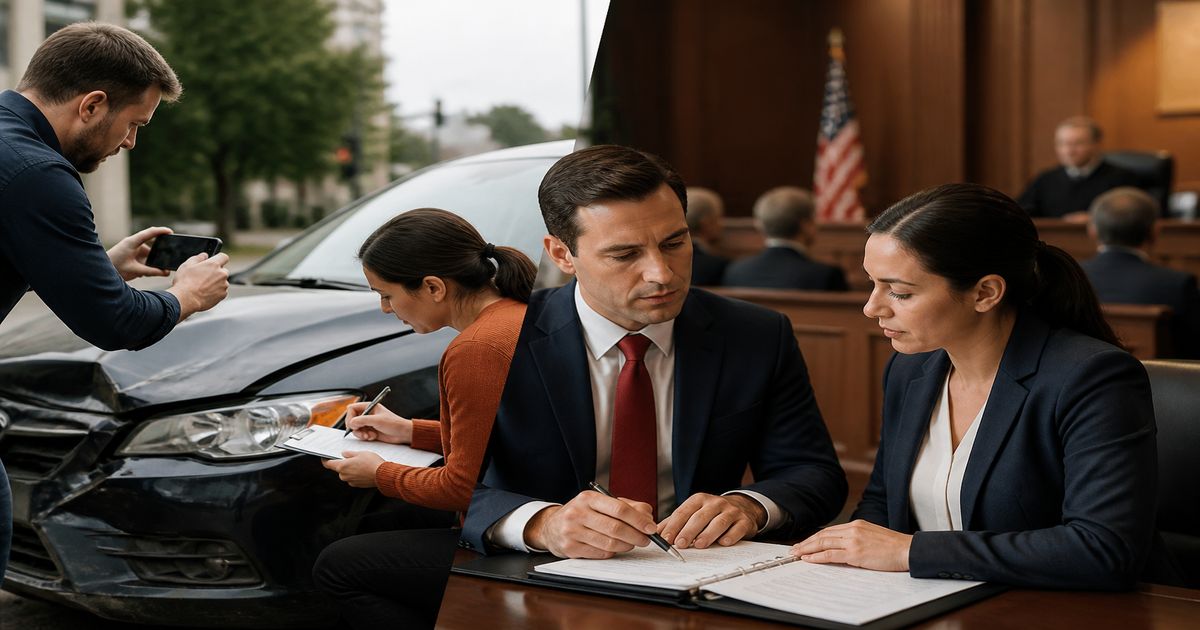
Getting into a motorcycle accident can be a really tough experience, especially in a place like Douglasville. There’s so much to think about, from getting medical help to figuring out what to do next with insurance companies and lawyers. This article breaks down the whole process, step by step, showing you how SinghToro Law, P.A. helps people go from the accident scene all the way to getting their case sorted out.
Table of Contents
Key Takeaways
- Acting fast after an accident, like getting medical help and talking to a lawyer, is super important.
- Collecting all your evidence and dealing with insurance companies can be tricky, but it’s part of the process.
- Settling your case can often mean getting money faster and with less hassle.
- Going to trial means a lot of preparation and showing your side of the story to a jury.
- Deciding whether to settle or go to trial depends on many things, like how bad your injuries are and what the insurance company is doing.
Initial Steps After a Douglasville Motorcycle Accident
Immediate Actions at the Scene
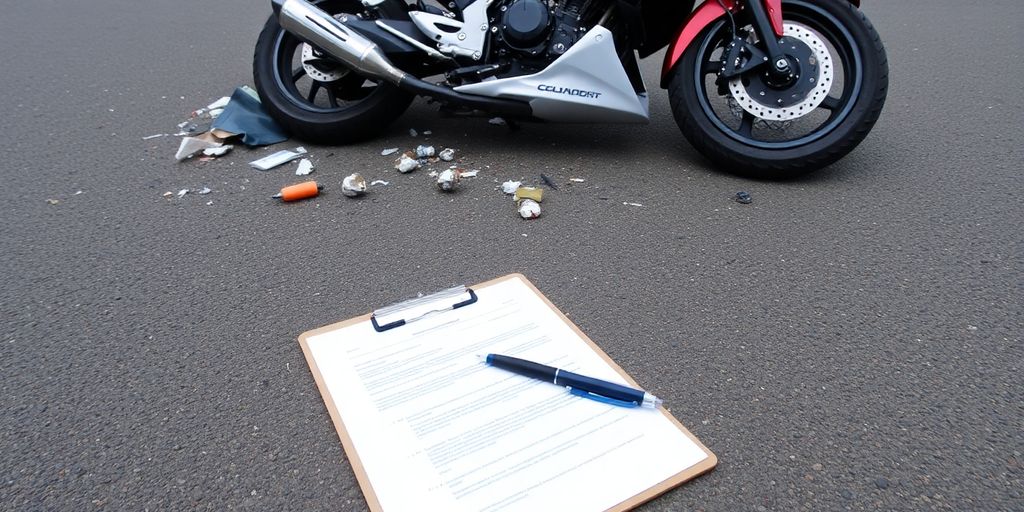
Okay, so you’ve just been in a motorcycle accident in Douglasville. Your head is probably spinning, but what you do right after the crash can make a huge difference for your future. First things first, check yourself and anyone else involved for injuries. If you can move safely, get your bike and yourself out of the flow of traffic. Safety is the absolute top priority. Once you’re in a safer spot, call 911 right away. Even if it seems like a minor fender bender, you need a police report. The police will document the scene, get statements, and create an official record, which is super important later on. While you’re waiting for them, if you’re able, take pictures and videos of everything: your bike, the other vehicles, road conditions, traffic signs, skid marks, and any visible injuries. Get contact information from any witnesses too. People tend to forget details, so getting it down immediately is key.
Seeking Medical Attention
Even if you feel fine after a motorcycle accident, you absolutely need to see a doctor. Adrenaline can mask pain, and some injuries, like whiplash or internal bleeding, might not show up for hours or even days. Go to the emergency room, an urgent care clinic, or your family doctor as soon as possible. Tell them everything that hurts, even if it seems small. Make sure they document that your injuries are from the motorcycle accident. This medical record is going to be a big piece of evidence for your case. Skipping this step can really hurt your claim later on because the insurance company might try to say your injuries weren’t from the crash.
Consulting with Legal Counsel
After you’ve taken care of your immediate safety and medical needs, your next move should be to talk to a lawyer who handles motorcycle accidents. Seriously, don’t try to deal with the insurance companies on your own. They are not on your side, and their goal is to pay you as little as possible. A good lawyer will protect your rights, handle all the communication with the insurance adjusters, and make sure you don’t accidentally say something that could harm your case. They know the ins and outs of personal injury law and can help you understand what your case is actually worth. For a free case evaluation, consider reaching out to SinghToro Law, P.A.. They can guide you through the complexities and help you get the compensation you deserve.
Dealing with the aftermath of a motorcycle accident can feel overwhelming, but taking these initial steps can set you up for success. From documenting the scene to getting medical care and speaking with a lawyer, each action plays a vital role in building a strong case. Don’t hesitate to seek professional help; it can make all the difference in your recovery and your claim.
Navigating the Personal Injury Claim Process
Filing Your Claim
So, you’ve been in a motorcycle accident, and now you’re wondering what comes next. The first big step is getting your claim filed. This isn’t just about telling someone you got hurt; it’s a formal process that kicks everything off. It’s really important to get this part right, because it sets the stage for everything else that follows.
When you’re ready to file, you’ll typically be dealing with an insurance company. This could be your own, the other driver’s, or even both. They’ll need a lot of details about what happened, your injuries, and any damages to your bike. It’s not always a quick phone call; sometimes there are forms, statements, and a whole lot of back-and-forth. Having a lawyer on your side, like the folks at SinghToro Law, P.A., can make this part way less stressful. They know exactly what information the insurance companies are looking for and how to present your case in the best light.
Gathering Essential Evidence
Once your claim is filed, or even while you’re doing it, you need to start collecting everything that proves what happened and how it affected you. Think of it like building a really strong argument, piece by piece. The more evidence you have, the harder it is for anyone to argue with your side of the story.
Here’s a list of things you should be gathering:
- Medical Records: This includes everything from ambulance reports and emergency room visits to doctor’s notes, physical therapy records, and prescriptions. It shows the extent of your injuries and the treatment you’ve received.
- Accident Report: The official police report is super important. It usually has details about the scene, involved parties, and sometimes even initial assessments of fault.
- Witness Statements: If anyone saw the accident happen, their accounts can be incredibly valuable. Get their contact information at the scene if you can.
- Photos and Videos: Pictures of the accident scene, your motorcycle, your injuries, and anything else relevant can speak volumes. Videos, if available, are even better.
- Lost Wages Documentation: If you missed work because of your injuries, keep records of your income and how much you lost.
It’s easy to feel overwhelmed by all the paperwork and details, but every piece of evidence you collect helps paint a clearer picture of what you’ve been through. Don’t underestimate the power of thorough documentation.
Dealing with Insurance Companies
This is often the trickiest part of the whole process. Insurance companies are businesses, and their goal is to pay out as little as possible. They might seem friendly at first, but remember, they’re not on your side. They’ll try to get you to say things that could hurt your claim, or they might offer you a lowball settlement hoping you’ll just take it and go away.
Here’s what you need to know about dealing with them:
- Don’t give recorded statements: Unless your lawyer tells you to, avoid giving any recorded statements to the other side’s insurance company. They can use your words against you.
- Be careful what you sign: Never sign anything from an insurance company without having your lawyer review it first. You could be signing away your rights.
- Don’t accept the first offer: Initial offers are almost always low. They’re testing the waters to see if you’re desperate or uninformed.
- Let your lawyer do the talking: Once you have legal representation, direct all communication from the insurance companies to your lawyer. They’re experienced negotiators and know how to handle these conversations to protect your interests.
The Benefits of Settling a Motorcycle Injury Case
Settling your motorcycle injury case can be a really smart move for a lot of people. It’s not always the perfect fit for everyone, but it definitely has some clear upsides compared to taking things all the way to court. Let’s dig into why someone might choose to settle.
Faster Resolution
One of the biggest perks of settling is how much quicker everything wraps up. Trials can just drag on and on, sometimes for months, even years. You’ve got all the pre-trial stuff, then the actual trial itself, and after that, there might be appeals. It’s a long, drawn-out process that can keep you in limbo for ages. When you settle, you usually get your money a lot faster, which can be a huge relief, especially if you’re dealing with medical bills or lost wages. Getting your compensation sooner means you can start putting your life back together without the endless wait.
Lower Legal Costs
Going to trial can get really expensive. Think about all the lawyer hours, expert witness fees, court costs, and other expenses that pile up. When you settle, you often avoid a lot of these big trial-related costs. This means more of the money from your settlement actually ends up in your pocket, rather than going towards legal fees. It’s a practical consideration that can make a big difference in your net recovery.
Choosing to settle often means you can avoid the unpredictable financial drain of a full-blown trial. It allows for a more controlled expenditure of resources, ensuring that the compensation you receive is maximized for your recovery and future needs.
Control Over the Outcome
When you go to trial, a judge or jury decides your fate. You put your case in their hands, and there’s always a chance they might not see things your way. It’s a gamble, and the outcome is never guaranteed. With a settlement, you and your attorney have a say in the final agreement. You can negotiate terms that work for you, giving you a sense of control over the result. This can be really comforting, knowing you’re not leaving everything up to chance. It’s about making a strategic decision that you can live with.
Here’s a quick look at how settlement compares to trial:
| Feature | Settlement | Trial |
|---|---|---|
| Speed | Generally faster | Can be very slow |
| Cost | Lower legal expenses | Higher legal expenses |
| Outcome Control | You have a say | Judge/Jury decides |
| Stress Level | Generally lower | Can be very high |
Ultimately, deciding to settle is about weighing these benefits against the potential for a larger award at trial, which always comes with more risk and a longer timeline. It’s a personal choice, but these advantages are definitely worth considering.
The Trial Process for Motorcycle Injury Cases
Pre-Trial Preparations
Going to trial for a motorcycle accident case means a lot of work happens before you even step into the courtroom. This pre-trial phase is where your lawyer really gets down to business. It involves gathering all the evidence, like police reports, medical records, and statements from people who saw what happened. Your lawyer will also do something called "discovery," where they can ask the other side questions and request documents. This helps build a strong case and gets you ready for any arguments the other side might try to make. It’s a long process, but it’s super important for showing the best possible case to the jury. A good attorney will help you through these steps.
Preparing for trial is a detailed process that lays the groundwork for your case. It involves meticulous collection of facts and strategic planning to anticipate the opposing side’s arguments. This phase is critical for building a solid foundation before any courtroom proceedings begin.
What Happens During the Trial
When the trial actually starts, both sides get to present their evidence and arguments. It’s like a story being told, but with rules. First, there are opening statements, where each lawyer gives the judge and jury a preview of what they’re going to prove. Then, witnesses are called to testify, and they can be questioned by both sides. Documents, photos, and other physical evidence are shown. Finally, there are closing arguments, where each lawyer summarizes their case and tries to convince the jury. The judge makes sure everything follows the rules, and then the jury goes off to decide. This whole part can take a while, depending on how complex the case is.
- Opening statements: Lawyers outline their case.
- Witness testimony: People involved or who saw the accident share their accounts.
- Evidence presentation: Documents, photos, and other items are shown.
- Closing arguments: Lawyers summarize their points.
- Jury deliberation: The jury decides the outcome.
Jury Selection and Presentation
Choosing a jury is a big deal. It’s called "voir dire," and it’s where the lawyers ask potential jurors questions to see if they can be fair and impartial. They’re looking for people who don’t have strong biases that might affect their decision. Both sides can object to certain jurors, and some might be excused. Once the jury is picked, your lawyer will focus on presenting your case clearly and convincingly. This means explaining complex medical details or accident reconstructions in a way that regular people can understand. The goal is to make sure the jury connects with your story and sees things from your perspective, especially when dealing with a Douglasville motorcycle accident case. It’s all about making your side of the story heard and understood.
| Stage | Description | Key Goal |
|---|---|---|
| Jury Selection | Lawyers question potential jurors to ensure impartiality. | Find unbiased jurors. |
| Case Presentation | Lawyers present evidence and arguments to the selected jury. | Clearly convey the facts and your position. |
| Witness Credibility | Assessing how believable witnesses are to the jury. | Ensure your witnesses are seen as trustworthy. |
Deciding Between Settlement and Trial
When you’ve been in a motorcycle accident, one of the biggest decisions you’ll face is whether to settle your case or take it to trial. It’s not a simple choice, and what’s right for one person might not be right for another. There are a lot of things to think about, and your lawyer will help you sort through them all.
Factors Influencing Your Decision
There are several key elements that play into whether a settlement or a trial is the better path for your motorcycle injury case. It’s like weighing different options on a scale, trying to find the right balance.
- Strength of Evidence: How strong is your case? Do you have clear proof of fault and significant damages? A strong case might make a trial more appealing.
- Severity of Injuries: The extent of your injuries and their long-term impact can heavily influence potential compensation. More severe injuries often mean higher stakes.
- Financial Needs: Do you need money quickly to cover medical bills or lost wages? Settlements usually provide faster access to funds.
- Risk Tolerance: Are you comfortable with the uncertainty of a trial, where a judge or jury decides your fate? Or do you prefer the predictability of a negotiated settlement?
- Insurance Company’s Offer: Is the insurance company offering a fair amount? If their offer is too low, a trial might be necessary to get what you deserve.
Understanding Risks and Rewards
Both settlement and trial come with their own set of risks and rewards. It’s important to understand what you might gain and what you might lose with each option.
Settling a case often means a quicker resolution and less stress. You get a guaranteed amount, and you can move on with your life without the prolonged uncertainty of a court battle. However, you might not get the absolute maximum compensation you could potentially win at trial.
Going to trial can potentially lead to a larger payout if you win, especially if your case is strong and the jury is sympathetic. But trials are also unpredictable. There’s always a chance you could lose, or the jury could award less than you hoped for. They also take a lot longer and can be emotionally draining.
Strategic Considerations for Your Case
Your legal team will help you develop a strategy that fits your specific situation. This involves looking at all the details of your case and figuring out the best way forward.
- Negotiation Leverage: A strong case gives you more power at the negotiation table. If the insurance company knows you’re ready and willing to go to trial, they might offer a better settlement.
- Cost-Benefit Analysis: Your attorney will help you weigh the potential costs of a trial (expert witness fees, court costs, attorney time) against the potential benefits of a larger award.
- Precedent and Public Record: Trials create a public record, which might be a factor for some individuals. Settlements are typically confidential.
- Emotional Toll: Consider the emotional impact of a trial. It can be a very stressful and time-consuming process, requiring your presence and testimony.
- Douglasville motorcycle accident attorney will help you weigh these factors and make an informed decision that aligns with your goals. They’ll provide guidance every step of the way, ensuring you understand the implications of each choice.
Preparing for Your Douglasville Motorcycle Accident Case
Documenting Your Injuries
After a motorcycle accident, getting your injuries documented is super important. It’s not just about seeing a doctor; it’s about making sure everything is written down and clear. This documentation is the backbone of your claim, showing exactly what happened to you. You need to keep track of every single doctor’s visit, every therapy session, and any medication you take. Think about it like building a detailed story of your recovery. If you had to miss work, get a note from your doctor. If you’re feeling pain in a new spot, tell your doctor right away and make sure it’s in your medical records. The more detailed your medical records are, the stronger your case will be when it comes to showing how much the accident impacted your life.
Maintaining Communication with Your Attorney
Keeping in touch with your attorney is a big deal throughout your case. They’re the ones who know the legal stuff, so you need to tell them everything that’s going on. Don’t hold back any details, even if they seem small or unimportant to you. Your attorney needs to know about:
- Any new medical appointments or changes in your condition.
- Calls or letters you get from insurance companies.
- Any new bills related to the accident.
- Changes in your ability to work or do daily activities.
Regular updates help your attorney stay on top of things and make the best decisions for your case. They can’t help you if they don’t know what’s happening. Think of them as your partner in this whole process.
Protecting Your Claim
Protecting your claim means being careful about what you say and do after the accident. It’s easy to accidentally hurt your case if you’re not careful. Here are some things to keep in mind:
- Don’t talk about the accident on social media. Anything you post can be used against you.
- Don’t give recorded statements to insurance companies without talking to your attorney first. They might try to get you to say something that hurts your claim.
- Don’t sign anything without your attorney reviewing it. This includes medical releases or settlement offers.
- Keep all your receipts and records related to the accident, like medical bills, repair costs, and lost wages.
It might feel like a lot to keep track of, but taking these steps can really make a difference in how your case turns out. A good Douglasville motorcycle accident lawyer can help you understand what to do and what not to do, making sure your claim is as strong as possible. They’re there to guide you through the whole thing, so you don’t have to figure it all out by yourself.
Maximizing Your Compensation

Assessing Damages Accurately
When you’ve been in a motorcycle accident, figuring out exactly what you’re owed can feel like a puzzle. It’s not just about the immediate medical bills, though those are a big part of it. You also have to think about future medical needs, like physical therapy or even surgeries down the road. Then there’s the money you’ve lost because you couldn’t work, and what you might lose in the future if your injuries keep you from doing your job like before. And don’t forget about the pain and suffering—that’s a real thing, even if it’s hard to put a number on it. Getting a clear picture of all these costs is the first step to making sure you get every penny you deserve.
It’s not just about what’s obvious. Think about how your life has changed. Maybe you can’t ride your motorcycle anymore, or you can’t enjoy hobbies you once loved. These are all things that count as damages. A good lawyer will help you add up all these different pieces, making sure nothing gets missed. They’ll look at everything from your hospital stays to the emotional toll the accident has taken on you.
Negotiation Strategies
Dealing with insurance companies can be a real headache. They’re not exactly on your side; their main goal is to pay out as little as possible. This is where having a solid negotiation strategy comes in. You can’t just go in there hoping for the best. You need to know what your case is worth, and you need to be ready to fight for it. This often means presenting a strong case with all your evidence laid out, showing them exactly why you deserve the compensation you’re asking for.
It’s like a chess game, really. You make a move, they make a move. But you need to be thinking several steps ahead, anticipating their arguments and having counter-arguments ready. They might try to lowball you, or even suggest that your injuries aren’t as bad as you say. That’s when your lawyer steps in, armed with medical records and expert opinions, to shut down those claims.
Here’s a simplified view of how negotiations might proceed:
- Initial Demand: Your lawyer sends a demand letter outlining your damages and the compensation sought.
- Insurance Company’s Offer: They usually come back with a low offer, trying to test the waters.
- Counter-Offers: Your lawyer will go back and forth, presenting more evidence and arguments to justify a higher amount.
- Mediation (Optional): Sometimes, a neutral third party helps facilitate discussions if negotiations stall.
- Settlement or Lawsuit: If an agreement is reached, you settle. If not, the case might head to court.
The Role of Expert Witnesses
Sometimes, to really drive home how much you’ve been impacted, you need more than just your word. That’s where expert witnesses come in. These are people who have specialized knowledge that can help explain complex aspects of your case to a jury or an insurance adjuster. For example, a medical expert can explain the full extent of your injuries and how they’ll affect you long-term. An economic expert can break down your lost wages and future earning capacity.
These experts aren’t just there to talk; they provide credible, objective opinions that can significantly strengthen your claim. They can explain things in a way that makes sense to everyone, even if they don’t have a medical or financial background. Their testimony can be the difference between a lowball offer and a fair settlement. For instance, a vocational expert might explain how your injuries prevent you from returning to your previous job, or an accident reconstructionist might show how the other driver was clearly at fault. These are the kinds of details that can really make your case stand out and help you secure the maximum compensation you deserve. If you’re looking for strong legal representation, consider reaching out to SinghToro Law, P.A. for a consultation.
Want to make sure you’re getting paid what you’re worth? It’s super important to know your rights and how to ask for more. Don’t leave money on the table! Head over to our website to learn more about how to get a free case valuation and boost your earnings.
Wrapping It Up
So, there you have it. Going from a crash scene to the courtroom can feel like a really long journey, but SinghToro Law, P.A. has a clear plan for injury cases. They start right at the beginning, helping you gather everything important, and they stick with you all the way through, even if it means going to trial. It’s about making sure you get a fair shake and don’t have to figure it all out alone. If you’re ever in this kind of spot, knowing there’s a team ready to guide you step-by-step can make a big difference.
Frequently Asked Questions
What should I do right after a motorcycle accident?
After a motorcycle accident, it’s super important to get medical help right away, even if you don’t feel badly hurt. Then, you should talk to a lawyer who knows about these kinds of cases. They can help you understand your rights and what steps to take next.
How do I get ready for my motorcycle accident case?
Getting ready for a motorcycle accident case means gathering all your important papers, like medical records and police reports. Make sure you keep talking with your lawyer and follow their advice. Also, be careful about what you say or post online, as it could hurt your case.
What happens before a trial for a motorcycle accident case?
Going to trial means a lot of preparation before you even step into the courtroom. Your lawyer will collect all the evidence, like police reports and doctor’s notes. They’ll also ask the other side questions and get documents to build a strong case. This helps make sure you’re ready for anything the other side might try to argue.
What goes on during the trial itself?
When the trial day comes, first, lawyers from both sides pick the people who will be on the jury. Then, each side presents their case, which means they call witnesses to speak, show evidence, and try to convince the jury that the other driver was at fault and caused your injuries. It’s a formal process with clear rules.
How do I pick between settling my case or going to trial?
Deciding whether to settle your case or go to trial depends on a few things. How bad your injuries are, what the insurance company is doing, and how much time you have can all play a part in your choice. Your lawyer can help you weigh the good and bad parts of each option.
How can I make sure I get the most money for my injuries?
To get the most money for your injuries, you need to figure out exactly what you’ve lost, like medical bills and lost wages. Your lawyer will then talk with the insurance company to get a fair amount. Sometimes, experts might be called in to explain how much your injuries have affected your life.
Related Articles


Free Case Evaluation
Tell us what happened. We will tell you where you stand.
Every consultation is confidential and free of charge. There is no fee unless we recover for you.