

Bus Accident
How to Handle Insurance Adjusters After a Marietta Crash
· By Vishay Singh
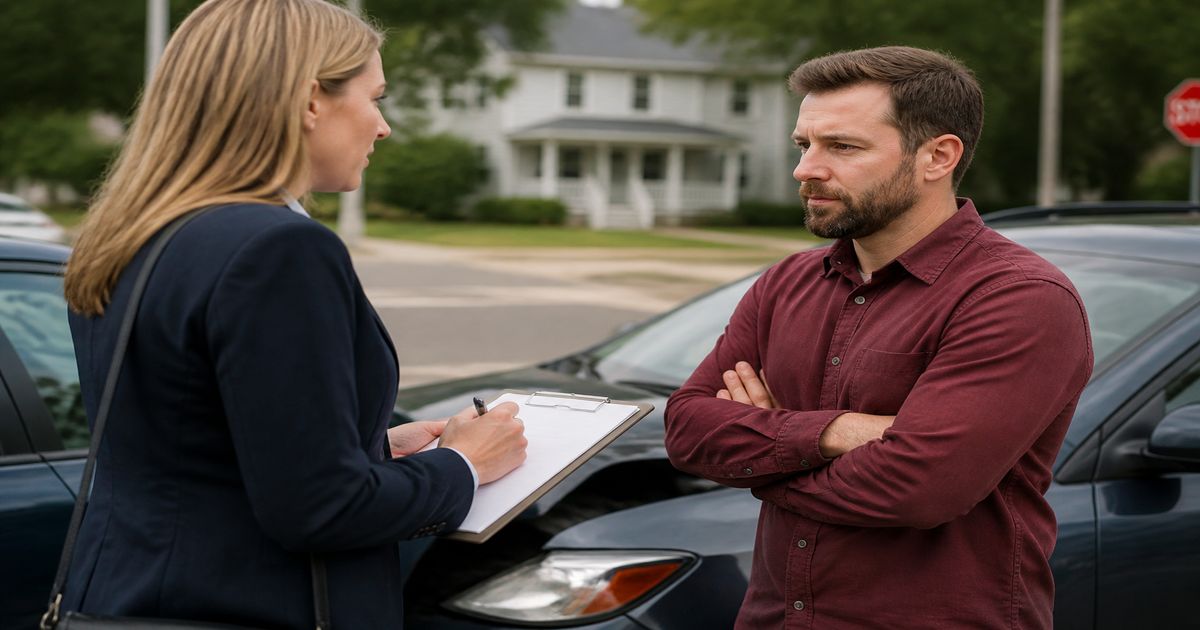
Getting into a car accident in Marietta can be a stressful experience, and dealing with insurance adjusters afterward often adds another layer of complication. These adjusters work for the insurance company, and their main goal is to settle your claim for the least amount of money possible. Understanding their role and how to interact with them is key to getting the compensation you deserve. This guide will help you navigate the process of dealing with insurance adjuster Marietta.
Table of Contents
Key Takeaways
- Insurance adjusters are not on your side; their primary objective is to protect their company’s profits by minimizing payouts. Be aware of common tactics like offering quick, low settlements or requesting recorded statements that can be used against you.
- Document everything meticulously. Keep records of all communications, medical bills, repair estimates, and lost wages. This detailed documentation is your strongest tool when negotiating and prevents adjusters from disputing costs or necessities.
- Don’t hesitate to seek professional help. If your injuries are serious, fault is disputed, or the adjuster uses delay tactics, consulting with a lawyer can protect your rights and ensure you receive fair compensation.
Understanding the Insurance Adjuster's Role

After a car crash in Marietta, you’ll likely hear from an insurance adjuster pretty quickly. It’s important to know who they are and what they’re really trying to do. Their main job is to protect the insurance company’s money, not to look out for you. Think of them as a professional negotiator whose employer wants to pay out as little as possible on any claim.
Recognizing the Adjuster's Objectives
When an adjuster contacts you, they aren’t just being friendly. They have specific goals in mind from that very first conversation. They’re trained to gather information that can help their company minimize the payout. This isn’t personal; it’s just how the business works.
Here’s a breakdown of what they’re typically after:
- Information Gathering: They want to get your version of events, details about the damage, and information about your injuries. The more they know, the more potential angles they have to limit their company’s responsibility.
- Minimizing Damages: They’ll look for anything that suggests the damage or injuries aren’t as bad as you claim, or that something else might have caused them.
- Controlling the Narrative: They want to shape how the accident and its aftermath are understood, often by getting you to agree to certain facts or timelines early on.
- Settlement Offers: Their ultimate goal is to get you to accept a settlement offer, ideally one that is much lower than what your claim might actually be worth.
Remember, the insurance adjuster’s loyalty lies with the company that pays their salary. They are not on your side, even if they seem friendly or helpful on the phone.
The Adjuster's Playbook: Tactics to Watch For
Insurance adjusters often use specific strategies to manage claims. Knowing these tactics can help you avoid common mistakes and protect your interests. They are professionals who do this every day, so being prepared is key.
Here are some common tactics you might encounter:
- The Early Recorded Statement: They’ll often ask to take a recorded statement soon after the accident. While it might sound like a way to speed things up, anything you say can be used later to question your claim. You are generally not required to give one immediately, especially before you fully understand your injuries.
- Asking Leading Questions: They might ask questions that subtly suggest a certain answer or imply fault. For example, asking "How fast do you think you were going?" when you weren’t paying attention to speed can lead to speculation.
- Downplaying Injuries: If you mention pain, they might focus on visible injuries like broken bones and overlook less obvious but serious issues like whiplash or internal injuries that may not be apparent right away.
- Offering a Quick, Low Settlement: Sometimes, they’ll make a fast offer that seems reasonable at first glance. This is often much less than what your medical bills and other losses will actually add up to, especially if your recovery takes time.
- Delaying Tactics: In some cases, adjusters might intentionally slow down the process, hoping you’ll get frustrated and accept a lower offer just to be done with it. This can involve being hard to reach or requesting the same documents multiple times.
Navigating Communications with Adjusters

So, you’ve been in a car crash in Marietta, and now the insurance adjuster is calling. It’s easy to feel overwhelmed, but how you talk to them can really make a difference in your claim. Remember, their main job is to look out for the insurance company’s wallet, not yours. They’re trained to gather information that might help them pay out less. Treat every conversation as if it’s being officially recorded, because it might be.
What to Say and What Not to Say
When you talk to an adjuster, keeping things factual is key. They might ask broad questions, hoping you’ll fill in the gaps with guesses. Don’t do it. If you’re not sure about something, just say so. For example, instead of guessing the other driver’s speed, you could say, "I don’t know the exact speed, but it seemed fast for the area." This keeps you from saying something that could be twisted later. It’s also wise to politely decline giving a recorded statement right away. You can simply say you’re not ready for that yet. Always ask for the adjuster’s name and contact information so you have it handy.
Here’s a quick rundown of what to do and what to avoid:
- Do: Be polite and professional.
- Do: Stick to the facts you know for sure.
- Do: Ask for the adjuster’s name and direct contact info.
- Don’t: Speculate or guess about accident details.
- Don’t: Agree to a quick settlement offer on the first call.
- Don’t: Give a recorded statement unless you’re fully prepared and advised.
The insurance company has a whole team working to manage claims efficiently, and often that means settling them quickly and for the least amount possible. Being prepared and sticking to the facts helps you stand on more even ground.
The Importance of Documenting Everything
Keeping a detailed record of all your interactions with the insurance adjuster is super important. Think of it as building your own case file. After every phone call or email exchange, jot down the date, time, the adjuster’s name, and a brief summary of what was discussed. Note any documents they requested or any promises they made. This log becomes your personal history of the claim. It helps you keep track of everything and prevents the adjuster from changing their story later. This careful documentation is a big part of reporting the accident and starting your claim off right.
Your documentation should include:
- Date and Time: Record the exact moment of each communication.
- Adjuster’s Information: Note their full name and any identifying numbers.
- Summary of Discussion: Briefly outline the topics covered.
- Agreed Actions: List any tasks you or the adjuster agreed to complete.
- Deadlines: Record any timelines provided by the adjuster.
Having this organized record can be incredibly helpful, especially if your claim gets complicated or if the insurance company starts delaying your claim.
When to Seek Professional Assistance
Look, sometimes you can handle things yourself after a car crash. Maybe it was a minor fender bender, no one got hurt, and it’s pretty clear who was at fault. But other times, things get complicated fast. The insurance adjuster might seem nice at first, but remember, their main job is to save the insurance company money, not to look out for you. If you start feeling overwhelmed, confused, or like you’re not being treated fairly, it’s probably time to get some backup.
Signs You Need Legal Representation
There are definitely moments when you should seriously consider calling a lawyer. It’s not about being difficult; it’s about protecting yourself and making sure you get what you deserve. Here are some common red flags:
- The insurance company is offering a settlement that feels way too low. They might try to get you to accept a quick check, but once you sign, that’s usually it. Don’t jump at the first offer, especially if your injuries are still being figured out.
- There’s a dispute about who caused the accident. In Georgia, if you’re found to be 50% or more at fault, you can’t get any money. If the other side is trying to pin the blame on you, a lawyer can help sort that out.
- Your injuries are serious or aren’t immediately obvious. Things like whiplash or concussions can take time to show up. Downplaying your pain or accepting a quick settlement before you know the full extent of your injuries can hurt your case later.
- The adjuster is using tricky tactics. This could include asking for broad medical releases that give them access to your entire history, trying to get you to make a recorded statement early on, or even suggesting specific medical treatments.
- Someone was seriously injured or tragically, killed. These cases are complex and have high stakes. You need someone experienced to handle them.
Dealing with insurance adjusters can feel like a chess match. They’re trained professionals with a specific goal in mind. If you’re not experienced in this area, you might be making moves that unintentionally help them and hurt your own position. It’s easy to get caught up in the details and forget the bigger picture of what your claim is truly worth.
The Benefits of Having a Lawyer Handle Negotiations
When you have a lawyer on your side, it changes the whole dynamic. They know the law, they know the adjusters’ common tactics, and they’re not afraid to stand up for you. A lawyer can:
- Handle all communication with the insurance company. This takes a huge burden off your shoulders, allowing you to focus on healing.
- Investigate the accident thoroughly. They can gather evidence, talk to witnesses, and reconstruct the events to build a strong case.
- Calculate the true value of your claim. This includes not just medical bills and lost wages, but also pain and suffering, which can be hard to put a number on yourself.
- Negotiate aggressively on your behalf. They know what a fair settlement looks like and won’t settle for less than your case is worth.
- Take your case to court if necessary. If the insurance company refuses to offer a fair settlement, your lawyer can represent you in court.
Basically, having a lawyer means you have an expert in your corner, working to get you the best possible outcome without you having to navigate the confusing and often stressful insurance claims process alone.
If you’re unsure about your situation, don’t hesitate to reach out. Sometimes, a fresh perspective from an expert can make all the difference. For personalized guidance and to explore your options, visit our website today.
Wrapping Things Up
Dealing with insurance adjusters after a crash in Marietta can feel like a real uphill battle. Remember, their main job is to look out for the insurance company’s wallet, not yours. So, don’t feel pressured to give statements, accept quick offers, or share more information than you need to. Keeping good records and knowing when to get professional help can make a huge difference. If things get complicated, or if the adjuster isn’t being fair, reaching out to a local attorney is a smart move. They can handle the back-and-forth so you can focus on getting back on your feet.
Frequently Asked Questions
What is the main goal of an insurance adjuster?
An insurance adjuster’s main job is to protect the insurance company’s money. They want to settle your claim for the smallest amount possible. They are trained to find ways to pay less, so it’s important to be careful about what you say and do.
Should I give a recorded statement to the adjuster right away?
It’s usually best not to give a recorded statement to the other driver’s insurance company without talking to a lawyer first. Anything you say can be used against you, and you might not know the full extent of your injuries or the accident details yet. You have the right to wait and speak with an attorney.
When should I think about getting a lawyer involved?
You should consider getting a lawyer if your injuries are serious, if the insurance company is blaming you for the accident, or if they are delaying things or offering a very low settlement. A lawyer can help protect your rights and make sure you get fair compensation.
Related Articles


Free Case Evaluation
Tell us what happened. We will tell you where you stand.
Every consultation is confidential and free of charge. There is no fee unless we recover for you.