

Uncategorized
Understanding the Semi Blind Spot: Essential Tips for Safer Driving
· By Vishay Singh
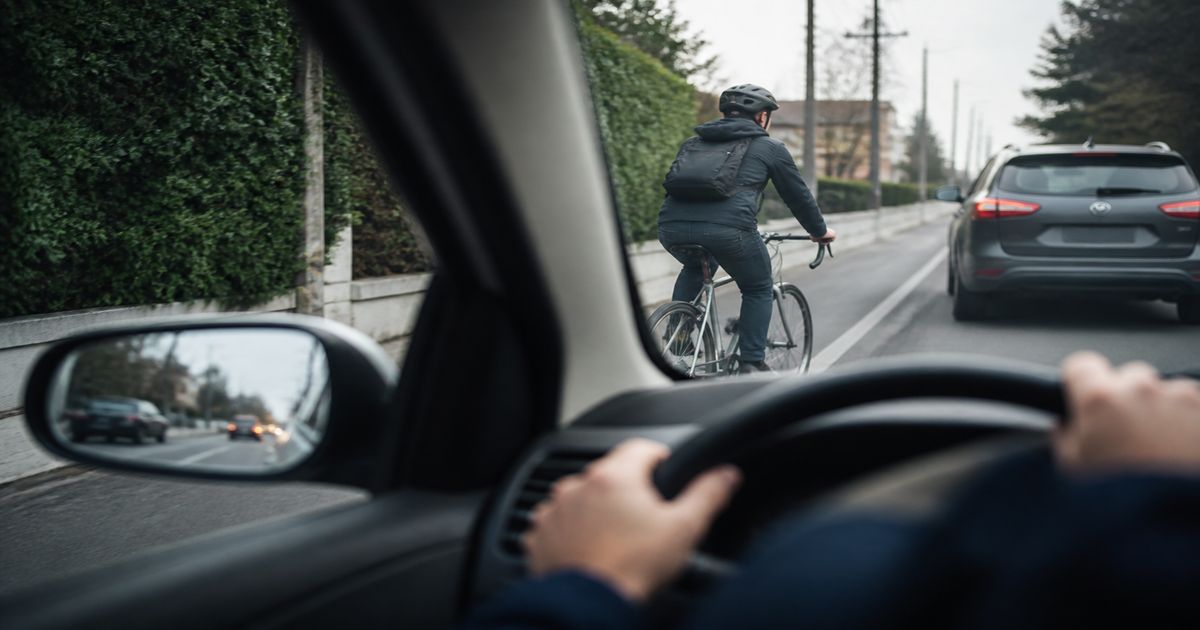
When driving near semi-trucks, it’s vital to understand the dangers posed by their semi blind spots. These areas around the truck where visibility is limited can lead to serious accidents if drivers aren’t cautious. Knowing where these blind spots are and how to safely navigate around large trucks can help everyone on the road stay safer. Let’s break down the key points about semi blind spots and how to avoid them.
Table of Contents
Key Takeaways
- Stay out of a semi-truck’s blind spots to avoid accidents.
- Always pass trucks on the left side for better visibility.
- Maintain a safe distance, especially when following a truck.
- Be aware of the truck’s turning radius to avoid getting too close.
- Understand that trucks need more time to stop than smaller vehicles.
Understanding Semi Blind Spots
Definition of Semi Blind Spots
Semi blind spots, often called "no-zones," are areas around a semi-truck where the driver’s visibility is severely limited or nonexistent. These zones are significantly larger than those in passenger vehicles due to the truck’s size and design. This lack of visibility increases the risk of accidents, especially if other drivers are unaware of these blind spots. It’s not just about the mirrors; the sheer size of the truck creates areas where it’s impossible for the driver to see you, no matter how diligent they are. Understanding truck accidents is the first step in avoiding them.
Importance of Awareness
Knowing where these blind spots are is super important for all drivers. It’s not just about avoiding accidents; it’s about sharing the road safely. If you know where a truck driver can’t see you, you can adjust your driving to stay visible. This awareness can prevent lane-change accidents, merging mishaps, and other dangerous situations. It’s a simple thing that can make a big difference. Here’s why it matters:
- Reduces the risk of collisions.
- Promotes safer lane changes and merges.
- Helps maintain a smooth flow of traffic.
Common Misconceptions
There are a few common misunderstandings about semi blind spots. One is that truck drivers can see everything around them with their mirrors – not true! Another is that blind spots are small and easy to avoid. In reality, some blind spots can extend for multiple lanes. Also, some people think that if they can see the truck’s mirrors, the driver can see them. That’s not always the case. It’s better to assume you’re invisible and act accordingly. Remember to check your side mirrors frequently.
It’s easy to assume that truck drivers have a clear view of everything around them, but that’s simply not the case. Their elevated position and large trailers create significant blind spots that can hide entire vehicles. Staying out of these zones is the best way to ensure your safety and the safety of others on the road.
Identifying the Different Blind Spots
It’s super important to know where a semi-truck’s blind spots are. These "no-zones" are way bigger than what you’re used to in your car, and hanging out in them is just asking for trouble. Truck drivers can’t see you, and that’s a recipe for disaster. Let’s break down each one.
The Front Blind Spot
Ever wonder how close is too close to a semi-truck’s front? Well, if you’re within about 20 feet, the driver probably can’t see you. Their elevated seating position makes it tough to spot smaller cars right in front, especially in stop-and-go traffic. Imagine a truck not seeing you brake suddenly – yikes! Always leave plenty of room when merging in front of a semi. This is especially important if you’re driving in Midway, GA, where car accident victims need legal support.
The Rear Blind Spot
Unlike cars, semi-trucks don’t have a regular rearview mirror. That means there’s a massive blind spot directly behind the trailer, often stretching back around 30 feet. Tailgating a truck is a terrible idea. They can’t see you, and if they have to slam on the brakes, you’re in big trouble. Plus, you won’t be able to see any road hazards the truck is trying to avoid. Keep a safe distance – it’s not worth the risk.
The Left Side Blind Spot
There’s a blind spot running along the driver’s side of the trailer. It’s not as huge as the one on the right, but it’s still significant. If you’re driving next to a truck on the left, be aware that the driver might not see you. Pass quickly instead of hanging out there. A good rule of thumb: if you can see the driver’s face in their mirror, they can probably see you. If not, get out of there!
The Right Side Blind Spot
Okay, this is the big one. The right-side blind spot is the largest and most dangerous. It starts at the passenger door and extends across multiple lanes. Truck drivers are less likely to expect cars speeding up on their right, especially when they’re changing lanes or making wide turns. Always pass on the left when you can – visibility is way better, and the risk of a crash is lower. The Federal Motor Carrier Safety Administration emphasizes how dangerous this area is.
Staying out of these blind spots is the easiest way to avoid accidents. Remember, truck drivers have limited visibility, so it’s up to you to be extra cautious. Don’t assume they can see you – drive defensively and stay aware of your surroundings.
Navigating Safely Around Semi-Trucks
Sharing the road with big rigs can feel intimidating, but understanding how they operate and where their limitations lie is key to staying safe. It’s all about being aware and making smart choices.
Staying Visible to Truck Drivers
If you can’t see the truck driver in their mirror, chances are they can’t see you either. This is a simple rule that can save lives. Semi-trucks have massive blind spots, so positioning your vehicle where the driver can see you is important. Avoid lingering in these areas, especially on the right side, which tends to have the biggest truck blind spots.
Passing Trucks Safely
Passing a semi-truck requires extra caution. Here’s what I try to remember:
- Pass on the left: Always pass on the left side, where visibility is generally better for the truck driver.
- Accelerate smoothly: Don’t dawdle. Get past the truck efficiently but safely.
- Signal clearly: Make sure the truck driver knows your intentions by using your turn signals well in advance.
Maintaining Safe Distances
Safe following distance is not just a suggestion; it’s a necessity when dealing with semi-trucks. They require significantly longer stopping distances than passenger vehicles. A good rule of thumb is to maintain at least four seconds of following distance, and even more in bad weather. Remember, a fully loaded truck needs a lot of room to stop. Cutting in front of a truck and then slamming on your brakes is a recipe for disaster.
I always try to remember that trucks can’t maneuver like cars. They need extra space to turn, especially when making wide right turns. Never try to squeeze past a turning truck; it’s just not worth the risk. Patience is key when sharing the road with these giants.
Common Accidents Related to Semi Blind Spots
Side-Swipe Collisions
Side-swipe collisions are a frequent result of semi-truck blind spots. These accidents typically occur when a truck driver, unaware of a vehicle in their blind spot, attempts to change lanes. The consequences can range from minor vehicle damage to serious injuries, depending on the speed and impact angle. It’s a pretty scary thought, right? Imagine you’re just driving along, and suddenly a huge truck starts merging into your lane without even seeing you.
Rear-End Collisions
Rear-end collisions involving semi-trucks often happen when drivers cut in front of a truck and then brake suddenly. Because trucks require significantly longer stopping distances than passenger vehicles, the truck driver may not have enough time to react, leading to a collision. It’s all about physics, really. A fully loaded semi-truck can weigh up to 80,000 pounds, so it takes a lot more effort to bring it to a stop. Always give trucks plenty of space, especially when merging in front of them. It’s just common sense, but you’d be surprised how many people don’t do it. This is why road safety is so important.
Underride Accidents
Underride accidents are among the most devastating types of collisions involving semi-trucks. These occur when a smaller vehicle slides underneath the trailer of a truck, often resulting in severe injuries or fatalities. The design of many trailers leaves a significant gap between the bottom of the trailer and the road, creating a dangerous situation for smaller vehicles.
Underride accidents are particularly tragic because they often involve direct impact with the passenger compartment of the car. Safety regulations have been put in place to try and reduce the risk of these accidents, but they still happen far too often. It’s a grim reminder of the importance of staying aware and taking precautions around large trucks.
To help prevent these accidents, consider these points:
- Always maintain a safe following distance from semi-trucks.
- Be extra cautious when driving alongside trucks, especially on the right side.
- Make sure your headlights are on, especially at night or in bad weather, to increase visibility.
Tips for Avoiding Blind Spot Hazards
Adjusting Your Driving Position
One of the simplest yet most effective ways to minimize blind spot risks is to adjust your driving position. Make sure your mirrors are properly aligned so you can see as much of the surrounding area as possible without having to turn your head too far. A good starting point is to adjust your side mirrors so that you can barely see the sides of your own vehicle in the mirrors. This maximizes the visible area to the sides and reduces the blind spot. Don’t forget to check and adjust your mirrors before every drive, especially if someone else has been driving your car.
Understanding Truck Maneuvers
Trucks need a lot of space to maneuver, especially when turning. They often swing wide to make turns, which can put you in a dangerous position if you’re not aware of their intentions. Pay close attention to truck signals and anticipate their movements. If a truck is signaling a right turn, give it plenty of room and avoid pulling up alongside it on the right. Remember, a truck’s turn might involve using more than one lane. Understanding trucking accidents can help you anticipate and avoid potentially hazardous situations.
Recognizing No-Zones
"No-zones" are the areas around a truck where the driver has limited or no visibility. These areas are significantly larger than those of passenger cars, making it crucial to avoid lingering in these spots. Here’s a quick breakdown:
- Front: About 20 feet in front of the truck.
- Rear: Up to 30 feet behind the trailer.
- Sides: Running the length of the trailer, especially on the right side.
Staying out of these no-zones is one of the best ways to avoid accidents. If you can’t see the truck driver in their side mirror, they likely can’t see you either. Adjust your position accordingly to ensure you’re visible.
The Role of Truck Driver Awareness
Importance of Side Mirrors
Truck drivers rely heavily on their side mirrors to compensate for massive blind spots. These mirrors aren’t just accessories; they’re a lifeline, providing the only view of vehicles lurking in those dangerous "no-zones." Proper adjustment and consistent use of side mirrors are non-negotiable for safe operation. It’s not enough to just have them; drivers need to actively scan them, integrating mirror checks into their regular driving routine. Think of it like this: a quick glance could prevent a major accident.
Training for Blind Spot Awareness
Comprehensive training programs are key to equipping truck drivers with the skills to manage blind spots effectively. This training should go beyond basic mirror adjustments and cover:
- Simulated driving scenarios that replicate real-world blind spot situations.
- Techniques for anticipating the movements of other vehicles around the truck.
- Strategies for minimizing time spent in other drivers’ blind spots.
- Regular refresher courses to reinforce best practices.
It’s easy to assume that professional drivers are always aware, but ongoing training is what keeps safety top of mind. It’s about instilling a culture of vigilance and continuous improvement.
Communication with Other Drivers
While truck drivers bear a significant responsibility, communication with other drivers can play a vital role in preventing accidents. This communication isn’t about shouting out the window; it’s about using signals and positioning to indicate intentions clearly. For example:
- Using turn signals well in advance of lane changes or turns.
- Making slight adjustments in speed or position to signal awareness of nearby vehicles.
- Avoiding sudden maneuvers that could surprise other drivers.
It’s a two-way street. If you can’t see the truck driver in their mirror, chances are they can’t see you. Adjust your position to stay visible.
Legal Implications of Blind Spot Accidents

Understanding Liability
Determining liability in a blind spot accident can be complex. It often hinges on proving negligence, which means showing that one party failed to exercise reasonable care. This could involve the truck driver, the other driver, or even both. Factors like visibility, road conditions, and adherence to traffic laws all play a role. Evidence such as police reports, witness statements, and accident reconstruction can be crucial in establishing fault.
Insurance Considerations
After a blind spot accident, dealing with insurance companies can be a headache. Both the truck’s insurance and the other driver’s insurance will likely be involved. It’s important to understand your policy and the other driver’s policy, as well as the state’s laws regarding insurance claims. Insurance companies may try to minimize payouts, so it’s wise to document everything and potentially seek legal advice. Understanding insurance considerations is key to a fair settlement.
Reporting Procedures
Reporting an accident involving a semi-truck’s blind spot is similar to reporting any other car accident, but with a few key differences. Here’s a basic rundown:
- Immediate Reporting: Call 911 to report the accident, especially if there are injuries or significant property damage.
- Gather Information: Exchange information with the truck driver, including insurance details and contact information. Get the trucking company’s information as well.
- Document the Scene: Take photos of the damage to all vehicles involved, the accident location, and any relevant road conditions.
- File a Police Report: Make sure a police report is filed, and obtain a copy for your records.
It’s important to remember that the trucking company will likely have its own team investigating the accident immediately. Therefore, it’s in your best interest to protect your rights and gather as much information as possible. Don’t admit fault or make statements that could be used against you later.
Final Thoughts on Driving Safely Around Semi-Trucks
In conclusion, being aware of semi-truck blind spots is key to staying safe on the road. These massive vehicles have areas where they can’t see you, and that can lead to serious accidents if you’re not careful. Always remember to keep your distance, especially when passing or driving alongside them. If you can’t see the driver in their mirrors, they probably can’t see you either. By following these simple tips, you can help make the roads safer for everyone. So next time you’re out driving, keep these points in mind and drive smart!
Frequently Asked Questions
What are semi blind spots?
Semi blind spots are areas around a truck where the driver cannot see other vehicles. These spots are much larger than those of regular cars.
Why is it important to be aware of blind spots?
Being aware of blind spots helps you avoid accidents. If you know where these areas are, you can stay safe while driving near trucks.
Where are the main blind spots on a semi-truck?
The main blind spots are in front, behind, and on both sides of the truck. The right side has the biggest blind spot.
How can I safely pass a semi-truck?
Always pass on the left side, where the driver can see you better. Do it quickly and don’t linger beside the truck.
What types of accidents can happen due to blind spots?
Common accidents include side-swipe collisions, rear-end crashes, and underride accidents, which can be very serious.
What should I do if I'm involved in an accident with a truck?
If you’re in an accident, make sure everyone is safe, call the police, and exchange information with the truck driver.
Related Articles
Free Case Evaluation
Tell us what happened. We will tell you where you stand.
Every consultation is confidential and free of charge. There is no fee unless we recover for you.