
law
When Property Owners Are Liable for Falls in McDonough
· By Vishay Singh
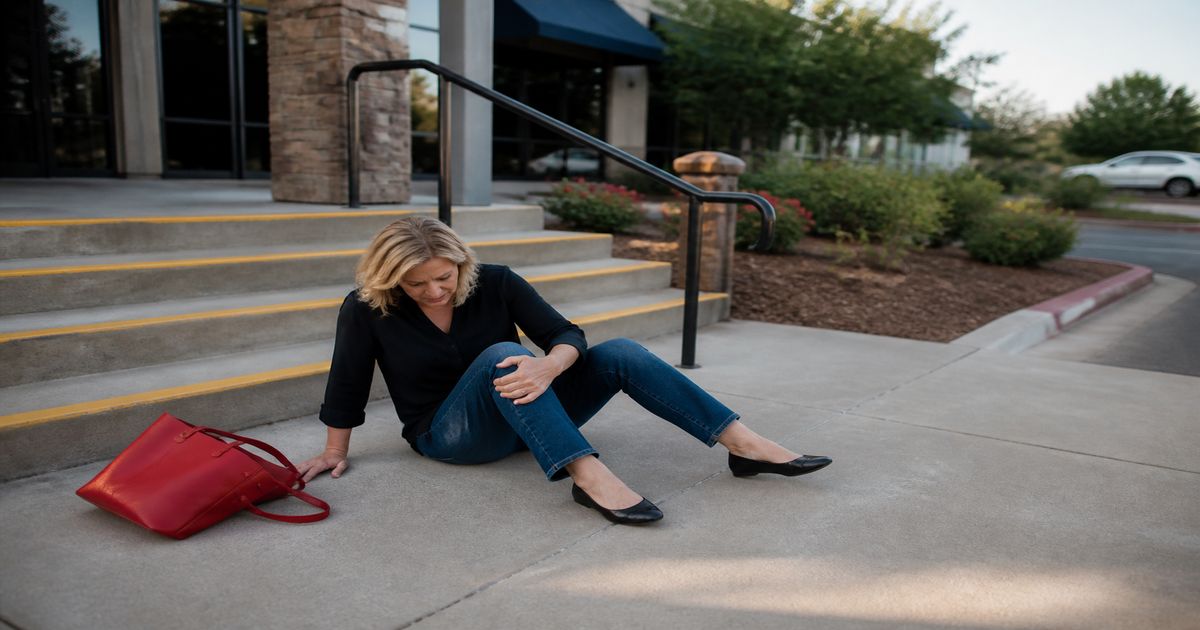
So, you took a tumble on someone else’s property in McDonough and got hurt. Bummer. It happens more often than you’d think, right? Maybe it was a slippery floor at the grocery store, a broken step at a friend’s house, or a pothole in a parking lot. Whatever the reason, if you got injured because the property owner didn’t keep things safe, you might be wondering who’s on the hook for it. This is where premises liability McDonough comes into play. Basically, property owners have a duty to make sure their place is safe for visitors. If they don’t, and someone gets hurt, they could be responsible for the costs. Let’s break down when that happens and what you can do about it.
Table of Contents
Key Takeaways
- Property owners in McDonough have a legal duty to keep their premises safe for visitors. If they fail to do so and someone gets injured due to a hazard, the owner could be held liable.
- To prove a property owner is responsible for a slip and fall, you generally need to show a hazardous condition existed, the owner knew or should have known about it, they didn’t fix it in a reasonable time, and your injuries were a direct result of this negligence.
- If you’re injured in a slip and fall due to a property owner’s negligence, you may be entitled to compensation for medical bills, lost wages, and other related expenses. Seeking medical attention and documenting everything is vital for your case.
Understanding Premises Liability In McDonough
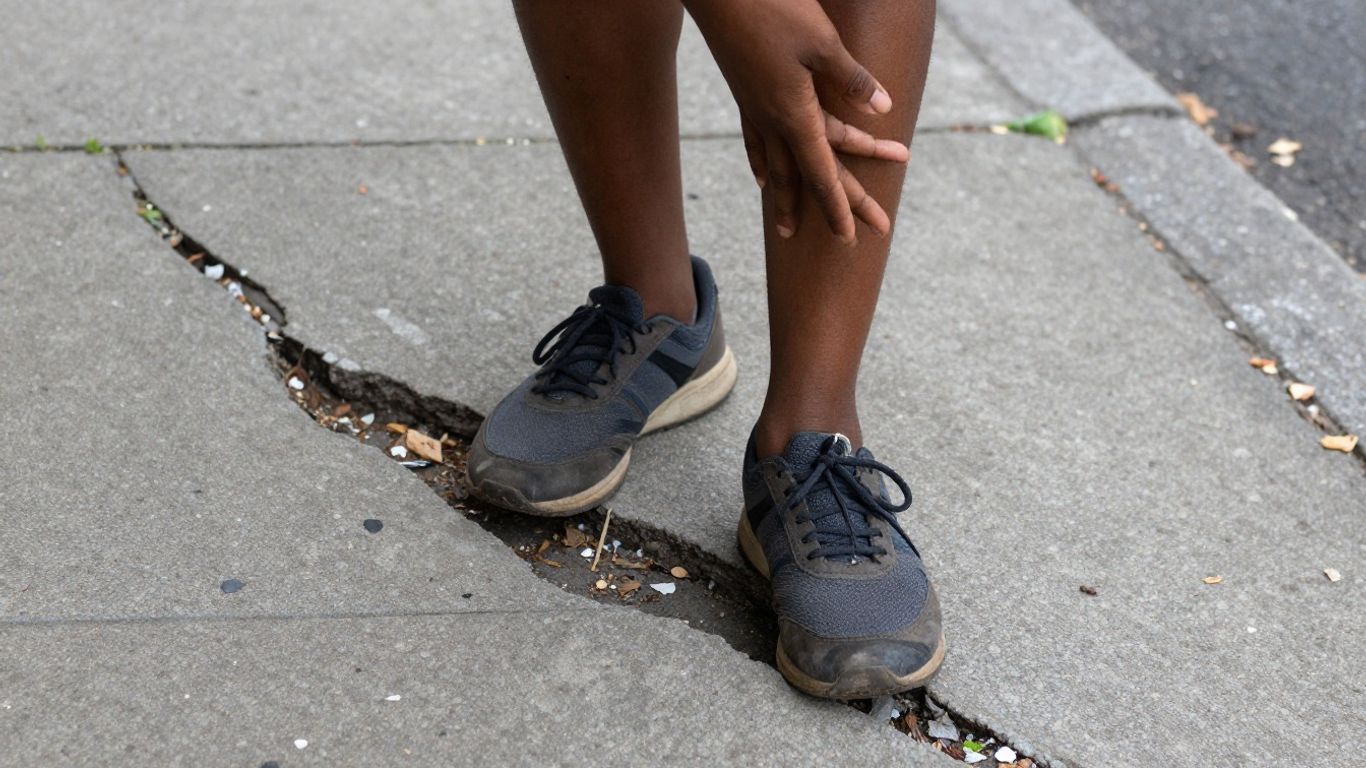
When you’re visiting someone else’s property, whether it’s a shop, a friend’s house, or even a public park, you generally expect it to be safe. That’s where premises liability comes in. Basically, it’s the legal idea that property owners have a duty to keep their grounds reasonably safe for visitors. If they don’t, and someone gets hurt because of it, the owner might have to pay for the damages.
When Property Owners Are Responsible For Visitor Safety
Property owners aren’t expected to be miracle workers, but they do have to take sensible steps to prevent accidents. This means they need to fix hazards they know about, or hazards they should know about if they were paying reasonable attention. Think about it: if a store owner sees a spill on the floor, they should clean it up or at least put out a wet floor sign, right? Failing to address known dangers is a common reason owners are held responsible. This duty of care applies to all sorts of places, from big shopping malls to small corner stores, and even private homes if you’re invited over.
Here are some common situations where a property owner might be found liable:
- Wet or slippery surfaces: Spills, tracked-in rain, or recently mopped floors without warning signs.
- Poor lighting: Dark stairwells, dimly lit walkways, or unlit parking lots can hide dangers.
- Uneven surfaces: Cracked sidewalks, broken steps, or unexpected changes in floor height.
- Obstructions: Clutter in walkways, poorly placed merchandise, or debris.
- Lack of maintenance: Broken handrails, damaged flooring, or faulty equipment.
It’s important to remember that not every accident means the property owner is automatically at fault. The law looks at whether the owner acted reasonably to keep the property safe. Sometimes, accidents just happen, and that’s different from negligence.
Proving Negligence In A Slip And Fall Case
So, you’ve been injured in a fall on someone else’s property. What now? To hold the owner responsible, you usually need to prove they were negligent. This means showing a few key things happened. First, the owner had a duty to keep the property safe. Second, they failed in that duty – they knew about a hazard or should have known, and didn’t fix it or warn you. Third, this failure directly caused your injury. And finally, you suffered actual damages, like medical bills or lost wages, because of the fall. It’s a bit like putting together a puzzle; you need all the pieces to show what happened. Gathering evidence is a big part of this, and it’s often a good idea to get legal advice early on, especially when dealing with premises liability laws.
To build a strong case, you’ll want to collect as much information as possible. This can include:
- Photographs and videos: Documenting the hazard exactly as it was when you fell.
- Witness statements: Getting contact information from anyone who saw the fall or the condition of the property.
- Incident reports: If the fall happened at a business, they might have an internal report.
- Medical records: Detailed documentation of your injuries and treatment is vital.
Understanding how negligence is proven in Georgia is key to a successful claim. It’s not always straightforward, and property owners or their insurance companies might try to argue that you were partly or fully to blame for your own fall.
Common Scenarios Leading To Property Owner Liability
Slip and fall accidents don’t just come out of nowhere. Lots of the time, it’s something a property owner did—or didn’t do—that leaves someone hurt. When property owners in McDonough ignore hazards or fail to fix obvious problems, they can end up liable for injuries. Here’s a look at situations where commercial, residential, and government property owners might find themselves on the hook.
Hazards On Commercial Properties
Stores, restaurants, offices, and other commercial locations see a lot of foot traffic. With so many people coming and going, hazards can crop up quickly:
- Wet floors without warning signs (think freshly mopped aisles or spilled drinks)
- Broken or missing handrails on stairs
- Cracked or uneven walkways near entrances
- Merchandise or boxes left blocking walkways
- Poor lighting in parking lots or hallways
When these types of situations are ignored, someone can get seriously hurt. Property owners must regularly inspect and maintain their spaces to keep customers safe. If a shopper slips on a puddle that should have been cleaned up, the business could face legal responsibility. For more on how owners can be held accountable after slip and fall incidents, see this quick outline on common accident causes and compensation.
Risks On Residential And Government Properties
Homes, apartment buildings, and public places like parks or city buildings aren’t immune from these issues. Residential and government spaces present their own set of risks:
- Uneven or loose steps at entrances
- Unmarked drop-offs or changes in floor level
- Broken smoke detectors or poor fire safety systems
- Loose rugs or exposed power cords in common areas
- Sidewalks that are cracked, icy, or uncleared after storms
Here are a few scenarios where a property owner or manager could be found negligent:
- Someone trips on an unmarked step down from a front porch or entryway.
- A loose banister in a public building causes a visitor to fall down the stairs.
- City employees neglect to fix a giant crack in a sidewalk for months, and a pedestrian ends up injured.
Accidents might seem like bad luck, but often, they’re completely preventable with routine maintenance and attention. When property owners skip these basic steps, visitors are the ones who pay the price with injuries.
These scenarios show that both private and government property owners in McDonough have a real duty to address potential dangers quickly. If they don’t, and someone gets hurt, the consequences are not just physical—they’re legal, too.
Seeking Compensation After A McDonough Slip And Fall

So, you’ve had a slip and fall in McDonough, and it wasn’t your fault. Now what? Dealing with injuries is tough enough, but figuring out how to get the money you need to cover everything can feel overwhelming. The good news is, if a property owner’s carelessness led to your accident, you have a right to seek compensation. It’s about making sure you’re not left footing the bill for someone else’s mistake.
The Importance Of Medical Documentation
This is a big one. After an accident, your very first thought might be to just brush it off, especially if it happened in public. But if you’re feeling any pain, even a little bit, you need to get it checked out by a doctor. Don’t wait. Some injuries seem minor at first but can get much worse over time. If you wait too long to see a doctor, it becomes really hard to prove that your injury actually came from that fall. You need that medical record to connect the dots.
- See a doctor promptly: Even if you think it’s just a minor ache, get it looked at.
- Follow doctor’s orders: Stick to the treatment plan and don’t skip appointments. Going against medical advice can hurt your case.
- Keep all records: This includes doctor’s notes, bills, and receipts for any related expenses.
Without solid medical documentation, it’s incredibly difficult to show a court that the property owner is responsible for your medical bills and other costs. You could end up paying thousands out of pocket for an injury that wasn’t your fault.
Understanding Your Entitlement To Damages
If you’ve been injured because someone else was negligent, you’re likely entitled to more than just your medical bills. The money you can receive in a successful case is called "damages." These damages are generally broken down into a few categories, helping to cover all the ways the accident has impacted your life.
Here’s a look at what you might be able to claim:
- Medical Expenses: This covers everything from ambulance rides and hospital stays to doctor visits, physical therapy, medication, and any future medical care you might need.
- Lost Wages: If your injuries kept you from working, you can seek compensation for the income you lost. This also includes any potential future earnings you might miss out on if your injuries prevent you from returning to your previous job or working at all.
- Pain and Suffering: This is for the physical pain and emotional distress you’ve gone through because of the accident. It’s not always easy to put a number on, but it’s a real part of what you’ve experienced.
- Property Damage: If any of your belongings were damaged during the fall, like a phone or glasses, you can include that in your claim.
| Type of Damage | What it Covers |
|---|---|
| Economic Damages | Medical bills, lost income, property repair/replacement |
| Non-Economic Damages | Pain, suffering, emotional distress, loss of enjoyment of life, inconvenience |
Did you slip and fall in McDonough? It’s tough when an accident happens, especially if it wasn’t your fault. You might be able to get money to help with your bills and recovery. Don’t wait to find out your options. Visit our website today to see how we can help you get the compensation you deserve.
What to Do If You're Hurt on Someone Else's Property
Look, if you’ve been injured because a property owner in McDonough didn’t keep their place safe, you might be able to get some help with your medical bills and other costs. It’s not always easy to get what you’re owed, especially since insurance companies might try to say it was your fault. That’s why talking to a lawyer who knows the local laws is a good idea. They can help figure out who’s responsible and how to go after them. The sooner you get advice, the better your chances of getting the compensation you deserve for your injuries.
Frequently Asked Questions
What makes a property owner responsible if someone gets hurt on their property?
Property owners have a duty to keep their spaces safe for visitors. If they know about a dangerous spot, like a wet floor or a broken step, and don’t fix it or warn people, they could be responsible if someone gets hurt because of it. This is called negligence.
What kind of places can lead to a property owner being held responsible?
It can happen in many places! This includes stores, restaurants, malls, apartment buildings, and even government buildings like parks or city halls. Basically, anywhere someone is invited to be, the owner needs to make sure it’s safe.
What should I do if I get hurt in a slip and fall accident?
First, get medical help right away, even if you think it’s not serious. Then, try to gather any proof you can, like photos of the hazard. It’s also a good idea to talk to a lawyer who knows about these cases. They can help you understand your rights and get the compensation you might deserve for things like medical bills.
Related Articles

Free Case Evaluation
Tell us what happened. We will tell you where you stand.
Every consultation is confidential and free of charge. There is no fee unless we recover for you.