

Car Accident Lawyer
Who’s at Fault in a Rear-End Collision in Chamblee?
· By Vishay Singh
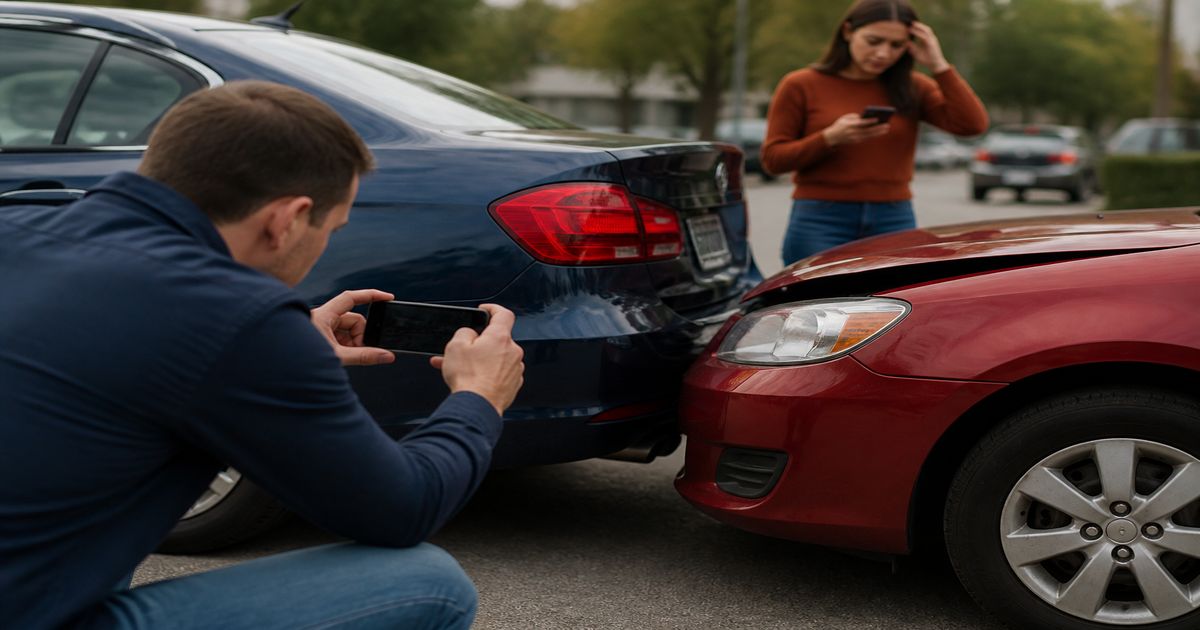
Car accidents can happen in a blink of an eye, and when they do, figuring out who’s responsible can be a headache. In Chamblee, rear-end collisions are a common issue. Understanding the laws around these accidents, especially regarding liability, is crucial for anyone involved. This article will break down the key points about fault in rear-end collisions, the role of insurance, and why having a car accident lawyer is important in these situations.
Table of Contents
Key Takeaways
- In Georgia, drivers must have liability insurance, but this may not cover all accident costs.
- Fault in accidents can be shared, affecting how much compensation you can receive.
- After a rear-end collision, gathering evidence is vital for proving fault.
- Distracted driving is a major cause of rear-end accidents and has serious legal implications.
- Hiring a car accident lawyer can help you navigate the legal process and maximize your compensation.
Understanding Liability In Rear-End Collisions

Rear-end collisions might seem straightforward, but figuring out who’s really at fault can get tricky. It’s not always as simple as saying the person in the back is automatically to blame. Several factors come into play, and understanding them is key if you’re ever in this kind of situation.
Legal Definitions of Fault
Okay, so what does "fault" even mean in the eyes of the law? Basically, it boils down to negligence. Negligence means someone didn’t exercise reasonable care, and that lack of care caused an accident. In rear-end crashes, this often involves things like following too closely or not paying attention. The legal definition helps determine who is responsible for damages.
Common Causes of Rear-End Accidents
Rear-end collisions happen for all sorts of reasons. Here are a few common ones:
- Distracted Driving: Texting, eating, or fiddling with the radio can take a driver’s eyes off the road, even for a split second, which is all it takes.
- Following Too Closely (Tailgating): Not leaving enough space between vehicles makes it impossible to stop in time if the car in front slows down suddenly.
- Sudden Stops: Sometimes, the lead driver might stop abruptly, but it’s important to determine if that stop was reasonable under the circumstances.
- Poor Weather Conditions: Rain, snow, or fog can reduce visibility and make it harder to stop safely.
- Mechanical Failure: Faulty brakes or other mechanical issues can also lead to rear-end collisions.
It’s important to remember that even if you’re rear-ended, your actions leading up to the crash might be considered. For example, if your brake lights weren’t working, that could affect the determination of fault.
Impact of Driver Behavior
Driver behavior plays a huge role in rear-end accidents. Things like speeding, aggressive driving, and driving under the influence can all increase the risk. Even seemingly minor things, like failing to signal a turn, can contribute. If a driver’s actions are found to be negligent, they’re more likely to be held liable for the accident injury. It’s all about proving that their behavior directly led to the collision.
Georgia's Comparative Negligence Law
How Fault Is Determined
Okay, so in Georgia, it’s not always black and white when it comes to who’s to blame in a car wreck. We use something called "modified comparative negligence." Basically, it means more than one person can be at fault. The court looks at the evidence and assigns a percentage of fault to each party involved. It’s like splitting up a pie – sometimes one person gets a bigger slice than the other. This is important because it directly affects how much money you can get if you’re injured. Understanding negligence questions is key to navigating this process.
Implications for Compensation
The biggest thing to remember is that if you’re 50% or more at fault for the accident, you can’t recover any damages. Let’s say you’re found to be 30% responsible. That means whatever compensation you’re awarded will be reduced by 30%. So, if your total damages are $10,000, you’d only get $7,000. It’s a bummer, but that’s how the law works here. This is why it’s so important to fight for a lower percentage of fault.
Shared Responsibility in Accidents
It’s pretty common for both drivers to share some blame. Maybe one person was speeding, and the other failed to yield. In those cases, the jury has to figure out how much each person contributed to the accident. This can get tricky, especially when there’s conflicting evidence.
It’s not always easy to figure out who’s at fault. Insurance companies will try to minimize their payout, so they might try to pin more blame on you than you deserve. That’s why it’s a good idea to talk to a lawyer who knows how these cases work. They can help you gather evidence and build a strong case to protect your rights and pursue fair compensation.
Here’s a simple breakdown:
- Both drivers can be at fault.
- Your compensation is reduced by your percentage of fault.
- If you’re 50% or more at fault, you get nothing.
The Role of Insurance in Car Accidents
Car accidents are stressful, and dealing with insurance companies can add to the headache. Understanding how insurance works in these situations is key to protecting yourself and getting the compensation you deserve. Let’s break down the basics.
Minimum Liability Coverage Requirements
Georgia, like most states, has minimum liability coverage requirements that drivers must carry. This coverage helps pay for damages you cause if you’re at fault in an accident. The current minimums are:
- $25,000 for bodily injury liability per person
- $50,000 for bodily injury liability per accident
- $25,000 for property damage liability per accident
It’s important to note that these are just the minimums. Many people choose to carry higher coverage limits to better protect their assets. If damages exceed your coverage, you could be personally responsible for paying the difference. Consider higher coverage limits for better protection.
Dealing with Underinsured Motorists
What happens if you’re hit by someone who doesn’t have enough insurance to cover your damages? That’s where underinsured motorist (UIM) coverage comes in. UIM coverage is an optional part of your own auto insurance policy that protects you if you’re injured by a driver with insufficient insurance. It can help pay for your medical bills, lost wages, and other expenses. It’s a good idea to consider adding UIM coverage to your policy, even if it increases your premium a bit. It could save you a lot of money and stress in the long run.
Filing Claims After an Accident
Filing a claim after a car accident can feel overwhelming, but here are some basic steps to follow:
- Report the accident to your insurance company as soon as possible. Most policies require prompt notification.
- Gather all relevant information, including the other driver’s insurance information, the police report, and photos of the damage.
- Document your injuries and medical treatment. Keep records of all doctor visits, medical bills, and prescriptions.
Remember, insurance adjusters work for the insurance company, not for you. They may try to minimize your payout. Be polite but cautious in your interactions with them. Stick to the facts and avoid speculating about the accident or your injuries. It’s often a good idea to have a lawyer handle these communications on your behalf.
It’s also important to know what not to say to your insurance company. Avoid admitting fault or speculating about the cause of the accident. Just stick to the facts and let the investigation determine what happened. Understanding how insurance companies handle claims is important.
Importance of Legal Representation

After a car wreck, you might wonder if getting a lawyer is really worth it. It’s a fair question. Dealing with insurance companies can be a headache, and the legal stuff? Forget about it. But having someone on your side who knows the ropes can make a huge difference. Let’s break down why.
How a Car Accident Lawyer Can Help
First off, a lawyer isn’t just there to file paperwork. They’re there to protect your rights. Insurance companies are businesses, and they want to pay out as little as possible. A lawyer knows how to negotiate and fight for what you deserve. They can investigate the accident, gather evidence, and build a strong case on your behalf. Plus, they understand the legal definitions of fault and can explain everything in a way that makes sense.
- Investigating the accident thoroughly.
- Negotiating with insurance companies to get a fair settlement.
- Representing you in court if a settlement can’t be reached.
Navigating the Legal Process
The legal process after a car accident can be confusing and overwhelming. There are deadlines to meet, forms to fill out, and legal jargon to decipher. A lawyer can guide you through each step, making sure you don’t miss anything important. They can also handle all communication with the insurance company and other parties involved, so you can focus on recovering from your injuries. This peace of mind alone can be worth the cost of hiring a lawyer.
Having a lawyer means you don’t have to go it alone. They’re there to answer your questions, explain your options, and provide support throughout the entire process.
Maximizing Your Compensation
One of the biggest benefits of hiring a lawyer is their ability to maximize your compensation. They know what your case is worth and will fight to get you the full amount you deserve. This includes not only medical expenses and lost wages but also compensation for pain and suffering, emotional distress, and other damages. A lawyer can also help you understand the implications for compensation you might be entitled to.
| Type of Compensation | Description
Common Types of Car Accidents in Chamblee
Understanding the common types of car wrecks that happen around Chamblee can help you be more aware and maybe even avoid them. It’s good to know what’s happening on our roads.
Intersection Collisions
These are super common, especially with all the traffic lights and intersections around Chamblee. They often happen when someone is trying to rush through a yellow light or just plain ignores a red one.
- Failure to yield when turning left is a big cause.
- Running red lights, obviously.
- Distracted driving while approaching an intersection.
Rear-End Accidents
Rear-end collisions are another frequent type of accident. They often occur due to distracted driving or following too closely. If you’ve been in one, a Chamblee car accident lawyer can help.
- Following too closely (tailgating).
- Sudden stops in traffic.
- Distracted driving (texting, eating, etc.).
It’s important to remember that in most rear-end collisions, the driver who hits the other car from behind is usually at fault. However, there are exceptions, like if the front car suddenly reverses into the rear car.
Hit and Run Incidents
Sadly, hit and run accidents happen too. It’s scary to think someone would just leave the scene, but it does happen. If you’re ever involved in a hit and run, try to get as much information as possible about the other vehicle, and definitely call the police.
- Uninsured drivers fleeing the scene.
- Drivers under the influence trying to avoid arrest.
- Panic after causing an accident.
Steps to Take After a Car Accident
Car accidents are stressful, no doubt about it. It’s easy to get flustered, but knowing what to do can really make a difference in the long run. Here’s a breakdown of the key steps to take after a car accident in Chamblee.
Gathering Evidence
If you’re able to, gathering evidence at the scene is super important. This evidence can be crucial for your insurance claim or any potential legal action. Here’s what you should try to do:
- Take photos of everything: vehicle damage, the position of the cars, any visible injuries, and the general accident scene. The more pictures, the better.
- Get the other driver’s information: name, address, phone number, insurance details, and driver’s license number. Don’t assume they’ll offer it; be proactive.
- Look for witnesses. If anyone saw what happened, get their names and contact information. Witness statements can be really helpful later on.
Reporting the Accident
Reporting the accident is a must, even if it seems minor. Here’s the deal:
- Call the police. A police report provides an official record of the accident and can help determine fault. Plus, it’s often required by insurance companies.
- Report the accident to your insurance company ASAP. Most policies require you to report accidents promptly, regardless of who’s at fault. Just stick to the facts and don’t admit fault.
- Keep a record of your communication with the insurance company. Note the dates, times, and names of people you spoke with, as well as what was discussed.
Seeking Medical Attention
Your health is the top priority. Seriously, don’t skip this step. Even if you feel okay, some injuries might not show up right away.
- See a doctor as soon as possible. Get a check-up, even if you think you’re fine. Some injuries, like whiplash or concussions, can take hours or days to become apparent.
- Follow your doctor’s instructions. This includes taking any prescribed medications, going to physical therapy, and attending follow-up appointments.
- Keep detailed records of all medical treatments and expenses. This includes doctor’s bills, hospital bills, medication costs, and therapy expenses. These records are important for your insurance claim and any potential legal action. SinghToro Law, P.A. can help Moultrie residents secure full compensation after car accidents.
After a car accident, it’s easy to feel overwhelmed. Take a deep breath and focus on these steps. Document everything, be thorough, and don’t hesitate to seek help from professionals. It’s all about protecting yourself and your rights.
The Impact of Distracted Driving
Distracted driving is a huge problem, and it’s getting worse. It’s not just about texting anymore; there are so many things that can take your attention off the road. Let’s take a look at how this affects accidents and what the legal consequences are.
Statistics on Distracted Driving
It’s hard to get exact numbers, but the stats we do have are pretty scary. A large percentage of accidents are caused by someone not paying attention. It’s not just a little fender-bender thing either; these accidents can be serious, even fatal. Here’s a quick look at some general trends:
- Accidents involving cell phones are on the rise.
- Younger drivers are more likely to be distracted.
- Distraction plays a role in a significant number of rear-end collisions.
Common Distractions for Drivers
So, what exactly are people doing behind the wheel that’s so distracting? It’s more than just phones, although that’s a big one. Here’s a list of some common culprits:
- Texting or using a phone while driving
- Eating or drinking
- Adjusting the radio or GPS
- Talking to passengers
- Grooming (yes, really!)
It’s easy to think you can multitask behind the wheel, but the truth is, your brain can’t really focus on two things at once. When you try to do too much, your driving suffers, and you put yourself and others at risk.
Legal Consequences of Distracted Driving
Okay, so what happens if you get caught driving distracted? Well, it depends on the situation and where you are. In Chamblee, like in many places, there are laws against negligence in rear-end collisions. The penalties can include fines, points on your license, and even a suspended license if you get enough points. And if you cause an accident while distracted, you could be facing a lawsuit. If you’ve been involved in a distracted driving incident, Chamblee automotive collision legal experts can help you prove the other driver’s negligence and seek appropriate compensation.
Wrapping It Up
So, when it comes to rear-end collisions in Chamblee, figuring out who’s at fault isn’t always straightforward. Georgia’s laws allow for shared blame, which means both drivers might have some responsibility. If you find yourself in this situation, it’s smart to talk to a lawyer who knows the ins and outs of local traffic laws. They can help you understand your rights and what steps to take next. Remember, accidents can happen to anyone, and knowing what to do afterward can make a big difference.
Frequently Asked Questions
What should I do if I'm in a rear-end collision in Chamblee?
If you’re in a rear-end accident, first check for injuries and call 911 if needed. Gather evidence like photos and witness information, and report the accident to the police.
Who is usually at fault in a rear-end accident?
In most rear-end accidents, the driver who hits the other car from behind is often considered at fault. However, there are situations where both drivers may share some responsibility.
How does Georgia's comparative negligence law work?
Georgia uses a comparative negligence rule, which means if you are partly at fault for the accident, your compensation might be reduced based on your level of fault.
What type of insurance is required in Georgia?
Georgia law requires drivers to have liability insurance. This covers damages you may cause to others in an accident but may not cover all your own damages.
Do I need a lawyer after a car accident?
It’s a good idea to consult a lawyer after a car accident, especially if there are injuries or disputes about fault. They can help you understand your rights and options.
What are common causes of rear-end collisions?
Common causes of rear-end accidents include distracted driving, speeding, tailgating, and sudden stops. Being aware of these can help you drive safer.
Related Articles
Free Case Evaluation
Tell us what happened. We will tell you where you stand.
Every consultation is confidential and free of charge. There is no fee unless we recover for you.